Genre
chicano rap
Top Chicano rap Artists
Showing 25 of 31 artists




About Chicano rap
Chicano rap is a subgenre of hip hop that centers the Mexican-American experience, blending Spanish and English lyrics, hard-hitting West Coast beats, and the social realities of borderlands, barrios, and immigrant communities. It emerged as a distinct voice in the late 1980s and early 1990s, growing out of the same cityscape that gave birth to much of West Coast rap but drawing a strong cultural thread from Mexican-American identity. The result is a sound that can be aggressive and street-focused, party-ready, or reflective about family, immigration, and community life.
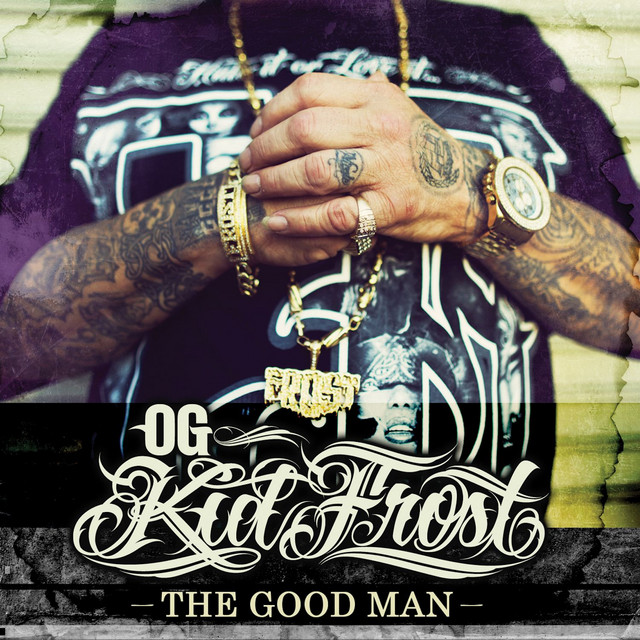
The origins are rooted in Southern California, especially Los Angeles and its surrounding barrios. Local crews and solo artists fused traditional Mexican themes with urban storytelling, giving listeners a bilingual, bicultural perspective that resonated with youths navigating two worlds. A pivotal early moment is Kid Frost’s La Raza (1990), a track and album that many consider foundational for the genre: a bilingual, prideful reclamation of Chicano identity set to hard-hitting West Coast rhythms. The early 1990s also saw the rise of groups and artists like Cypress Hill, A Lighter Shade of Brown, and Brownside, who broadened the sound and brought it to a wider audience. Cypress Hill, in particular, helped cement a global footprint for Chicano-inflected hip hop with records that blended Latin flair, no-nonsense street storytelling, and cross-cultural appeal.
Musically, Chicano rap sits at the intersection of gangsta rap’s grit and Latin-inflected sensibilities. Beats are often full-bodied and bass-forward, with sampling and production that reflect West Coast traditions. Lyrically, artists frequently switch between English and Spanish, delivering messages about loyalty, hustle, family, urban struggle, and pride in heritage. The genre is diverse in tone: some tracks are hard-edged and confrontational, others are celebratory, and a portion address social issues such as immigration, discrimination, and the complexities of bicultural life. The movement also helped popularize a regional slang and cultural aesthetics that have influenced broader Latinx hip hop identities, including later subgenres that cross into “corridos tumbados” and other bilingual urban styles.
Chicano rap found its strongest and most sustained audiences in the United States—particularly California, Texas, and the Southwest—but it has also attracted listeners in Mexico and across Latin American diaspora communities. It has enjoyed pockets of international appeal in Europe and Canada as fans seek out the gritty, street-level authenticity and bilingual storytelling that define the genre. Over the years, a number of ambassadors and key figures have become faces of the movement: Kid Frost for the early spark; Cypress Hill for global reach and cultural legitimacy; A Lighter Shade of Brown for regional pride and bilingual appeal; Lil Rob from San Diego and Mr. Capone-E (a California-based artist known for bilingual, crossover-friendly releases) as later torchbearers who kept the sound current and commercially viable. South Park Mexican (SPM) and Brownside also contribute to the chapter of the movement that expanded beyond California’s borders.
Today, Chicano rap sits alongside broader Latinx and regional hip hop genres as a vital chapter in the history of American rap. It’s a genre defined by resilience and cultural specificity: a music that speaks from the borderlands, celebrating roots while navigating the modern urban landscape. For enthusiasts, it offers a lens into a dynamic, evolving community music that remains deeply rooted in real-life experience.
The origins are rooted in Southern California, especially Los Angeles and its surrounding barrios. Local crews and solo artists fused traditional Mexican themes with urban storytelling, giving listeners a bilingual, bicultural perspective that resonated with youths navigating two worlds. A pivotal early moment is Kid Frost’s La Raza (1990), a track and album that many consider foundational for the genre: a bilingual, prideful reclamation of Chicano identity set to hard-hitting West Coast rhythms. The early 1990s also saw the rise of groups and artists like Cypress Hill, A Lighter Shade of Brown, and Brownside, who broadened the sound and brought it to a wider audience. Cypress Hill, in particular, helped cement a global footprint for Chicano-inflected hip hop with records that blended Latin flair, no-nonsense street storytelling, and cross-cultural appeal.
Musically, Chicano rap sits at the intersection of gangsta rap’s grit and Latin-inflected sensibilities. Beats are often full-bodied and bass-forward, with sampling and production that reflect West Coast traditions. Lyrically, artists frequently switch between English and Spanish, delivering messages about loyalty, hustle, family, urban struggle, and pride in heritage. The genre is diverse in tone: some tracks are hard-edged and confrontational, others are celebratory, and a portion address social issues such as immigration, discrimination, and the complexities of bicultural life. The movement also helped popularize a regional slang and cultural aesthetics that have influenced broader Latinx hip hop identities, including later subgenres that cross into “corridos tumbados” and other bilingual urban styles.
Chicano rap found its strongest and most sustained audiences in the United States—particularly California, Texas, and the Southwest—but it has also attracted listeners in Mexico and across Latin American diaspora communities. It has enjoyed pockets of international appeal in Europe and Canada as fans seek out the gritty, street-level authenticity and bilingual storytelling that define the genre. Over the years, a number of ambassadors and key figures have become faces of the movement: Kid Frost for the early spark; Cypress Hill for global reach and cultural legitimacy; A Lighter Shade of Brown for regional pride and bilingual appeal; Lil Rob from San Diego and Mr. Capone-E (a California-based artist known for bilingual, crossover-friendly releases) as later torchbearers who kept the sound current and commercially viable. South Park Mexican (SPM) and Brownside also contribute to the chapter of the movement that expanded beyond California’s borders.
Today, Chicano rap sits alongside broader Latinx and regional hip hop genres as a vital chapter in the history of American rap. It’s a genre defined by resilience and cultural specificity: a music that speaks from the borderlands, celebrating roots while navigating the modern urban landscape. For enthusiasts, it offers a lens into a dynamic, evolving community music that remains deeply rooted in real-life experience.