Genre
pop rock
Top Pop rock Artists
Showing 25 of 526 artists












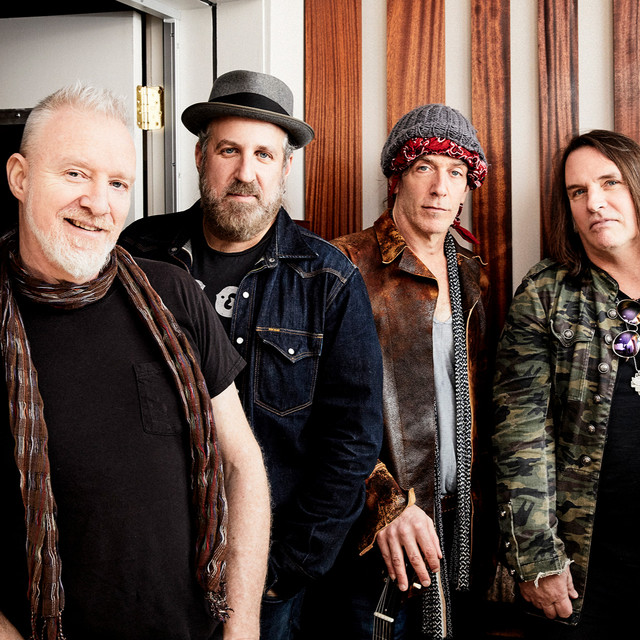
About Pop rock
Pop rock is a genre that sits at the crossroads of melody-forward pop and guitar-driven rock. It prizes strong hooks, memorable choruses, and concise song structures. Production tends to aim for clarity and polish, with a focus on vocal clarity and radio-ready energy. Yet within that framework, pop rock runs a gamut from shimmering, radio-friendly ballads to high-energy anthems, all tethered to solid guitar riffs and sturdy backbeats.
The roots of pop rock reach back to the early 1960s, but the form truly coalesced in the mid- to late-1960s as artists in the United States and the United Kingdom began merging pop craftsmanship with rock energy. The Beatles, with their gift for unforgettable melodies and inventive arrangements, and the Beach Boys, whose harmonies and studio savvy pushed production into new territory, set templates that countless bands would follow. By the late 1960s and into the 1970s, acts like Fleetwood Mac and the Eagles blended accessible pop sensibilities with rock-based instrumentation, giving the sound a wider, more enduring appeal. The genre’s versatility meant it could function as intimate storytelling, arena-scale drama, or anything in between.
Across decades, a constellation of ambassadors helped shape pop rock’s identity. The Beatles and the Beach Boys remain primary touchstones for how to fuse catchy songwriting with rock rhythm. Elton John and Billy Joel showcased piano-driven pop rock’s emotional reach and theatrical flair. In the 1980s, bands and artists such as Phil Collins (and Genesis in its pop-rock phases), U2, and Foreigner brought glossy, melodic textures to stadium-level energy. Fleetwood Mac, with their blend of rock, pop, and luminous harmonies, became one of the era’s defining pillars. The 1990s and 2000s brought a wave of acts like the Goo Goo Dolls, Matchbox Twenty, Sheryl Crow, Coldplay, Keane, and Maroon 5, who kept the form vital with punchy hooks and accessible lyricism. Today, OneRepublic, Snow Patrol, and many others continue the tradition, merging electronic textures, lush arrangements, and strong vocal lines.
Geographically, pop rock has enjoyed global reach but has particular resonance in the United States, United Kingdom, and Australia, where mainstream radio, MTV/YouTube channels, and live circuits have long supported cross-over acts. It also commands significant followings in Canada, much of Western Europe, and expanding audiences in Japan and Latin America. The genre’s appeal lies in its balance: it can be rigorously crafted pop songcraft wrapped in a rock sensibility, or a rock song wearing a pop melody like a badge of accessibility.
For music enthusiasts, pop rock offers a clear through-line from classic pop hooks to electric guitar energy. It invites appreciation of craft—melodic architecture, lyric concision, rhythmic drive—while rewarding attention to production detail, arrangement choices, and the way different eras reinterpret the same core formula.
The roots of pop rock reach back to the early 1960s, but the form truly coalesced in the mid- to late-1960s as artists in the United States and the United Kingdom began merging pop craftsmanship with rock energy. The Beatles, with their gift for unforgettable melodies and inventive arrangements, and the Beach Boys, whose harmonies and studio savvy pushed production into new territory, set templates that countless bands would follow. By the late 1960s and into the 1970s, acts like Fleetwood Mac and the Eagles blended accessible pop sensibilities with rock-based instrumentation, giving the sound a wider, more enduring appeal. The genre’s versatility meant it could function as intimate storytelling, arena-scale drama, or anything in between.
Across decades, a constellation of ambassadors helped shape pop rock’s identity. The Beatles and the Beach Boys remain primary touchstones for how to fuse catchy songwriting with rock rhythm. Elton John and Billy Joel showcased piano-driven pop rock’s emotional reach and theatrical flair. In the 1980s, bands and artists such as Phil Collins (and Genesis in its pop-rock phases), U2, and Foreigner brought glossy, melodic textures to stadium-level energy. Fleetwood Mac, with their blend of rock, pop, and luminous harmonies, became one of the era’s defining pillars. The 1990s and 2000s brought a wave of acts like the Goo Goo Dolls, Matchbox Twenty, Sheryl Crow, Coldplay, Keane, and Maroon 5, who kept the form vital with punchy hooks and accessible lyricism. Today, OneRepublic, Snow Patrol, and many others continue the tradition, merging electronic textures, lush arrangements, and strong vocal lines.
Geographically, pop rock has enjoyed global reach but has particular resonance in the United States, United Kingdom, and Australia, where mainstream radio, MTV/YouTube channels, and live circuits have long supported cross-over acts. It also commands significant followings in Canada, much of Western Europe, and expanding audiences in Japan and Latin America. The genre’s appeal lies in its balance: it can be rigorously crafted pop songcraft wrapped in a rock sensibility, or a rock song wearing a pop melody like a badge of accessibility.
For music enthusiasts, pop rock offers a clear through-line from classic pop hooks to electric guitar energy. It invites appreciation of craft—melodic architecture, lyric concision, rhythmic drive—while rewarding attention to production detail, arrangement choices, and the way different eras reinterpret the same core formula.