Genre
banda
Top Banda Artists
Showing 25 of 682 artists












About Banda
Banda, or banda sinaloense, is a distinctly brass-driven Mexican music genre built for large ensembles, high-energy dances, and emotive storytelling. It is characterized by a weighty, pulse-keeping horn section—tubas or sousaphones, trumpets, trombones, and sometimes clarinets or saxophones—paired with a solid percussion foundation. The result is a sound that feels both jubilant and cinematic, capable of sweeping from bright, festive fanfares to moody, romantic melodies in a single performance. Songs frequently lean on polka, waltz, and mazurka rhythms, all reimagined for a modern brass orchestra, with arrangements that emphasize bold horn lines, tight brass harmonies, and dramatic dynamic shifts.
The genre’s roots reach back to the late 19th and early 20th centuries in the Mexican state of Sinaloa. Banda grew out of military and community wind bands that attended dances and social events, adopting and adapting European ballroom forms—polkas and waltzes brought by European immigrants and via traveling brass ensembles. Over time, these ensembles shed some of their military stiffness and embraced a more versatile, dance-oriented repertoire. By the late 1930s, bandas in towns like El Recodo in Sinaloa had crystallized into the modern banda sound, earning the nickname “the cradle of banda.” Banda El Recodo, formed in 1938, is often cited as a pioneering force that helped popularize the format beyond regional circuits.
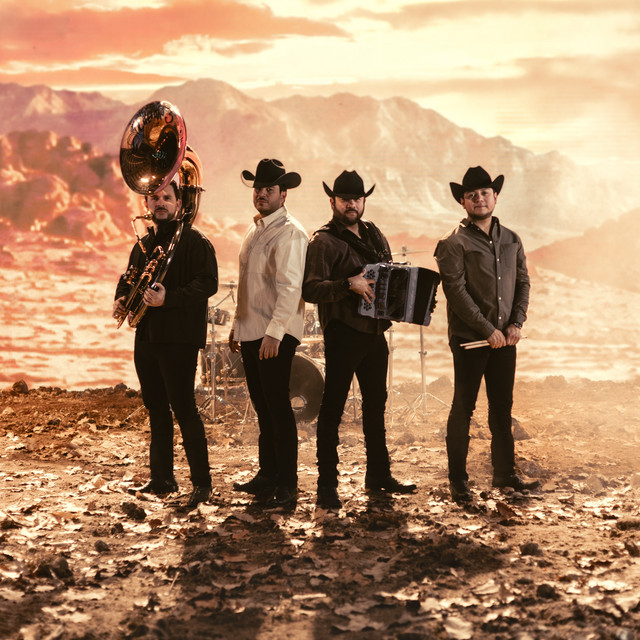
Instruments, arrangement, and performance practice remain a hallmark of banda. A typical lineup includes a tuba or sousaphone for the bass, a chorus of trumpets and trombones for the brassy punch, and occasionally clarinets and saxophones for color and counterpoint. Drums, timbales, and other percussion provide the driving heartbeat. The emphasis on a prominent horn section gives banda its unmistakable swagger, while the bass-driven grooves keep dancers moving. Lyrically, banda songs cover a broad spectrum: love and heartbreak, everyday life and work, loyalty and pride, and—through corridos—narratives about heroes, heroes’ journeys, and social themes. The genre’s openness to romantic ballads, celebratory anthems, and narrative corridos has helped it stay vital across generations.
Banda remains most strongly associated with Mexico, especially the Northwestern regions and the Pacific coast, with Sinaloa as the historical epicenter. Beyond national borders, it has a large and devoted audience in the United States, particularly in Mexican-American communities in California, Texas, Arizona, and the Southwest, where bandas have become a staple of radio, live venues, and festivals. The diaspora has also helped push the genre into broader Latin American contexts and international Latin music festivals, where audiences encounter the sweep of brass-forward storytelling the genre is built to deliver.
Key ambassadors and pioneering acts include Banda El Recodo, widely celebrated as the “cradle of banda” for shaping the modern sound. Other major names include La Arrolladora Banda El Limón, Banda MS, and Los Recoditos, each pushing the tradition forward with contemporary hits that fuse traditional brass warmth with modern production and cross-genre appeal. Together, these artists keep the genre’s dance-floor energy and emotional reach alive, inviting new listeners to experience the thunderous beauty of banda.
The genre’s roots reach back to the late 19th and early 20th centuries in the Mexican state of Sinaloa. Banda grew out of military and community wind bands that attended dances and social events, adopting and adapting European ballroom forms—polkas and waltzes brought by European immigrants and via traveling brass ensembles. Over time, these ensembles shed some of their military stiffness and embraced a more versatile, dance-oriented repertoire. By the late 1930s, bandas in towns like El Recodo in Sinaloa had crystallized into the modern banda sound, earning the nickname “the cradle of banda.” Banda El Recodo, formed in 1938, is often cited as a pioneering force that helped popularize the format beyond regional circuits.
Instruments, arrangement, and performance practice remain a hallmark of banda. A typical lineup includes a tuba or sousaphone for the bass, a chorus of trumpets and trombones for the brassy punch, and occasionally clarinets and saxophones for color and counterpoint. Drums, timbales, and other percussion provide the driving heartbeat. The emphasis on a prominent horn section gives banda its unmistakable swagger, while the bass-driven grooves keep dancers moving. Lyrically, banda songs cover a broad spectrum: love and heartbreak, everyday life and work, loyalty and pride, and—through corridos—narratives about heroes, heroes’ journeys, and social themes. The genre’s openness to romantic ballads, celebratory anthems, and narrative corridos has helped it stay vital across generations.
Banda remains most strongly associated with Mexico, especially the Northwestern regions and the Pacific coast, with Sinaloa as the historical epicenter. Beyond national borders, it has a large and devoted audience in the United States, particularly in Mexican-American communities in California, Texas, Arizona, and the Southwest, where bandas have become a staple of radio, live venues, and festivals. The diaspora has also helped push the genre into broader Latin American contexts and international Latin music festivals, where audiences encounter the sweep of brass-forward storytelling the genre is built to deliver.
Key ambassadors and pioneering acts include Banda El Recodo, widely celebrated as the “cradle of banda” for shaping the modern sound. Other major names include La Arrolladora Banda El Limón, Banda MS, and Los Recoditos, each pushing the tradition forward with contemporary hits that fuse traditional brass warmth with modern production and cross-genre appeal. Together, these artists keep the genre’s dance-floor energy and emotional reach alive, inviting new listeners to experience the thunderous beauty of banda.