Genre
portland indie
Top Portland indie Artists
Showing 25 of 74 artists




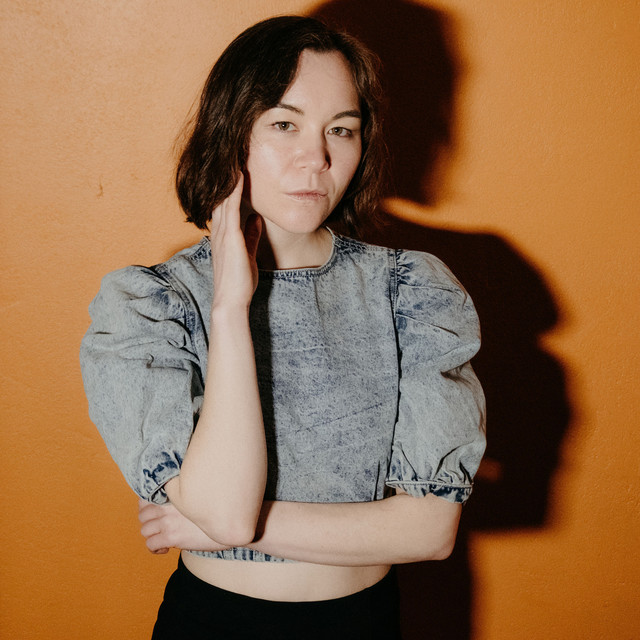
About Portland indie
Portland indie is best understood as a regional vein of the wider indie underground: a sound, a community, and a DIY impulse centered in Portland, Oregon. It isn’t a rigid genre with a single formula; it’s a flexible blend of indie rock, folk, lo-fi, and dreamier textures, wrapped in strong songwriting and a penchant for storytelling. The scene grew from the late 1990s into the 2000s, built on a dense network of intimate venues, independent labels, and a culture that celebrates bands crafting music in close conversation with their communities. It thrives in club basements, house shows, and small rooms as much as in festival stages.
The city’s environment helped forge a distinctive voice. Portland’s music space has historically favored hands-on production, melodic clarity, and imaginative arrangements—often mixing jangly guitars with baroque flourishes, gentle vocal delivery, and occasional bursts of electric energy. The result is music that can feel both intimate and expansive, intimate enough to be personal, expansive enough to be ambitious. This dual mood—quiet lyricism alongside adventurous soundscapes—has become a hallmark of the Portland indie attitude.
Among the scene’s ambassadors, several acts stand out as touchstones. The Dandy Warhols emerged in the mid-1990s, channeling glam-inflected rock into accessible, radio-friendly hooks that still carried a distinct Portland edge. Modest Mouse, tied to the Northwest before settling more deeply into Portland’s orbit, brought spare, gnarly energy and a fearless, experimental approach that influenced a generation of bands. The Decemberists translated Portland’s storytelling habit into intricate, literary indie folk-rock that found broad international audiences. Blitzen Trapper blended folk, psychedelia, and rugged Americana into a characterful, hook-filled sound that won a wide following. In the same spirit of experimentation, Typhoon and Quasi pushed arrangement complexity and vocal interplay, helping to broaden the spectrum of what “Portland indie” could encompass. Portsmouth’s own, Portugal. The Man, a later-in-the-night success story, further demonstrated the region’s capacity to produce major-label-caliber acts without losing a Portland sensibility.
The genre’s popularity is strongest in the United States, especially on the West Coast and in the Pacific Northwest, where the scene’s history is freshest. Its appeal, however, travels beyond borders: listeners in the United Kingdom, Europe, Canada, Australia, and beyond have discovered Portland’s blend of lyric-driven storytelling and melodic craft. In today’s streaming era, the Portland sound leaks into global playlists and indie radio programs, letting fans in Tokyo, Dublin, or Barcelona discover bands that began in a basement in Northeast Portland.
If you’re a music enthusiast, Portland indie offers a reassurance: you’re listening to a scene that prizes craft, character, and community as much as it prizes breakthrough singles. The sound is not a catalogued genre so much as a living ecosystem—one that invites curiosity, collaboration, and a continual redefinition of what indie rock can be.
The city’s environment helped forge a distinctive voice. Portland’s music space has historically favored hands-on production, melodic clarity, and imaginative arrangements—often mixing jangly guitars with baroque flourishes, gentle vocal delivery, and occasional bursts of electric energy. The result is music that can feel both intimate and expansive, intimate enough to be personal, expansive enough to be ambitious. This dual mood—quiet lyricism alongside adventurous soundscapes—has become a hallmark of the Portland indie attitude.
Among the scene’s ambassadors, several acts stand out as touchstones. The Dandy Warhols emerged in the mid-1990s, channeling glam-inflected rock into accessible, radio-friendly hooks that still carried a distinct Portland edge. Modest Mouse, tied to the Northwest before settling more deeply into Portland’s orbit, brought spare, gnarly energy and a fearless, experimental approach that influenced a generation of bands. The Decemberists translated Portland’s storytelling habit into intricate, literary indie folk-rock that found broad international audiences. Blitzen Trapper blended folk, psychedelia, and rugged Americana into a characterful, hook-filled sound that won a wide following. In the same spirit of experimentation, Typhoon and Quasi pushed arrangement complexity and vocal interplay, helping to broaden the spectrum of what “Portland indie” could encompass. Portsmouth’s own, Portugal. The Man, a later-in-the-night success story, further demonstrated the region’s capacity to produce major-label-caliber acts without losing a Portland sensibility.
The genre’s popularity is strongest in the United States, especially on the West Coast and in the Pacific Northwest, where the scene’s history is freshest. Its appeal, however, travels beyond borders: listeners in the United Kingdom, Europe, Canada, Australia, and beyond have discovered Portland’s blend of lyric-driven storytelling and melodic craft. In today’s streaming era, the Portland sound leaks into global playlists and indie radio programs, letting fans in Tokyo, Dublin, or Barcelona discover bands that began in a basement in Northeast Portland.
If you’re a music enthusiast, Portland indie offers a reassurance: you’re listening to a scene that prizes craft, character, and community as much as it prizes breakthrough singles. The sound is not a catalogued genre so much as a living ecosystem—one that invites curiosity, collaboration, and a continual redefinition of what indie rock can be.