Genre
portland punk
Top Portland punk Artists
Showing 12 of 12 artists
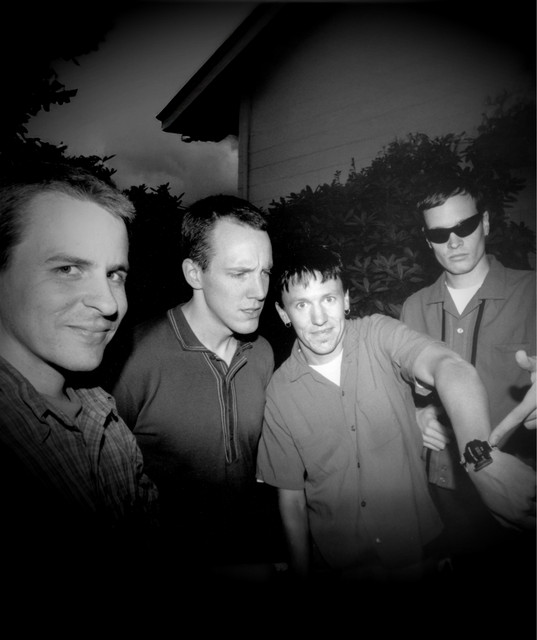


About Portland punk
Portland punk is the stubborn, DIY edge of American punk that grew from the city’s basements, practice spaces, and small clubs in the late 1970s and 1980s. It’s less a single sound and more a stubborn attitude: loud, fast, and unpolished, made with a do-it-yourself stubbornness that prized energy over polish and community over fame. If you trace its lineage, you’ll hear the seed of Pacific Northwest grit that later fed into the broader indie and underground scenes, but Portland punk always kept its own stubborn identity.
Origins and time frame
Portland’s punk flowering began in the late 1970s. One of its most influential early figures is The Wipers, formed in 1977 by Greg Sage in Portland, with a raw, low-fidelity approach that would influence countless bands and touring punk outfits across the West Coast. By the mid-1980s, the scene had sharpened into a robust hardcore/punk milieu, with bands embracing short, aggressive songs, aggressive guitars, shouted vocals, and a garage-meets-warehouse sound that felt equally at home in a dim basement as on a split 7-inch. Poison Idea, formed in Portland around 1985, became one of the city’s defining hardcore outfits with a fierce, no-frills style and a reputation for brutal live shows. Dead Moon, started by Fred Cole in 1988, added a sleazy, driving rock-punk blend that kept Portland’s underground restless and loud well into the 1990s. These acts—among others—helped Portland carve out a recognizable spot in the wider American punk map.
Key artists and ambassadors
- The Wipers (Portland): Prolific and influential, their lo-fi, high-energy approach laid groundwork for later DIY production and bands that chased intensity over studio gloss. Greg Sage’s guitar attack and vocal shouts became a touchstone for many.
- Poison Idea (Portland): A cornerstone of the era’s hardcore, their riffs were tight, their pace relentless, and their stage presence infamous. Frontman Jerry A. became a defining voice of Portland’s harder edge.
- Dead Moon (Portland): Fronted by Fred Cole, they fused garage grit with punk’s directness, delivering long-running, club-ready sets that kept underground circuits tight and loyal.
Sound and culture
Portland punk thrives on speed, aggression, and a kind of scrappy, tactile warmth that comes from lo-fi recording and live-room energy. The songs are often compact, built for sweaty shows and split releases that circulated through zines, tape trades, and DIY venues. The scene prized authenticity, community, and resilience—the ability to put a show together with limited resources and still make a raucous, unforgettable statement.
Global reach
While Portland’s punk heart beat strongest in the Pacific Northwest, its influence traveled. European and Japanese fans and venues drew energy from the extreme honesty and raw power of Portland’s bands, helping the scene maintain a niche but devoted international following. Its ambassadors—Sage, Jerry A., Cole—helped spread the aesthetics of Portland’s underground ethos beyond city limits.
For enthusiasts seeking a window into a distinctly American, stubbornly independent side of punk, Portland punk offers a focused, unforgettable snapshot: a city’s relentless, hands-on approach to making loud, unpolished music that still feels vital, urgent, and deeply personal. If you crave music that sounds like a basement, a back room, and a crowd of people who care more about the vibe than the venue, Portland punk is worth chasing.
Origins and time frame
Portland’s punk flowering began in the late 1970s. One of its most influential early figures is The Wipers, formed in 1977 by Greg Sage in Portland, with a raw, low-fidelity approach that would influence countless bands and touring punk outfits across the West Coast. By the mid-1980s, the scene had sharpened into a robust hardcore/punk milieu, with bands embracing short, aggressive songs, aggressive guitars, shouted vocals, and a garage-meets-warehouse sound that felt equally at home in a dim basement as on a split 7-inch. Poison Idea, formed in Portland around 1985, became one of the city’s defining hardcore outfits with a fierce, no-frills style and a reputation for brutal live shows. Dead Moon, started by Fred Cole in 1988, added a sleazy, driving rock-punk blend that kept Portland’s underground restless and loud well into the 1990s. These acts—among others—helped Portland carve out a recognizable spot in the wider American punk map.
Key artists and ambassadors
- The Wipers (Portland): Prolific and influential, their lo-fi, high-energy approach laid groundwork for later DIY production and bands that chased intensity over studio gloss. Greg Sage’s guitar attack and vocal shouts became a touchstone for many.
- Poison Idea (Portland): A cornerstone of the era’s hardcore, their riffs were tight, their pace relentless, and their stage presence infamous. Frontman Jerry A. became a defining voice of Portland’s harder edge.
- Dead Moon (Portland): Fronted by Fred Cole, they fused garage grit with punk’s directness, delivering long-running, club-ready sets that kept underground circuits tight and loyal.
Sound and culture
Portland punk thrives on speed, aggression, and a kind of scrappy, tactile warmth that comes from lo-fi recording and live-room energy. The songs are often compact, built for sweaty shows and split releases that circulated through zines, tape trades, and DIY venues. The scene prized authenticity, community, and resilience—the ability to put a show together with limited resources and still make a raucous, unforgettable statement.
Global reach
While Portland’s punk heart beat strongest in the Pacific Northwest, its influence traveled. European and Japanese fans and venues drew energy from the extreme honesty and raw power of Portland’s bands, helping the scene maintain a niche but devoted international following. Its ambassadors—Sage, Jerry A., Cole—helped spread the aesthetics of Portland’s underground ethos beyond city limits.
For enthusiasts seeking a window into a distinctly American, stubbornly independent side of punk, Portland punk offers a focused, unforgettable snapshot: a city’s relentless, hands-on approach to making loud, unpolished music that still feels vital, urgent, and deeply personal. If you crave music that sounds like a basement, a back room, and a crowd of people who care more about the vibe than the venue, Portland punk is worth chasing.