Genre
portuguese early music
Top Portuguese early music Artists
Showing 15 of 15 artists


About Portuguese early music
Portuguese early music is a broad umbrella for the repertoire of medieval, Renaissance and early Baroque polyphony and chant that took shape in Portugal. It spans sacred vocal music written for cathedrals and chapels, as well as secular songs from the royal courts, and it bears the distinctive color of a maritime nation whose explorers also moved music across oceans. The tradition sits at the crossroads of Galician‑Portuguese cantiga songs of the late Middle Ages and a thriving continental polyphony that matured in Lisbon, Coimbra and Braga.
Its birth is tied to the emergence of a Portuguese nation-state and the flowering of its religious and courtly institutions. Monasteries and collegiate chapels preserved chant, while successive generations of singers absorbed the new polyphonic idiom from Italian and Franco‑Flemish channels that circulated through Iberian churches. By the late 16th and early 17th centuries, a native school had crystallized: composers wrote elegant Latin Masses, motets and psalm settings that balanced clarity of line with lush harmonies, and they did so in a distinctly Lusitanian voice.
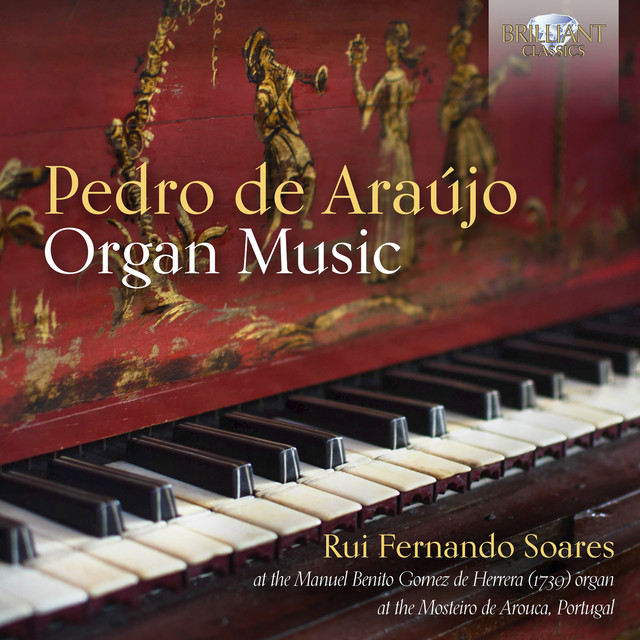
Character and repertoire: Much of the music is sacred polyphony, crafted for the liturgical year, but there are also secular pieces and song collections. The vocal lines are lyrical, often with parallel movement and careful control of dissonance, while the Renaissance choral sound is enriched by organ, theorbo, viola da gamba and lute, which appear in instrumental introductions or continuo substitutions. The modal color—Dorian and Phrygian flavors—gives a contemplative, twilight atmosphere that many listeners find compelling.
Key artists and ambassadors: Among the brightest names are Pedro de Escobar, a late-Renaissance master who helped define the Lisbon chapel’s sound; Duarte Lobo and Manuel Cardoso, whose Masses, motets and psalm settings are still admired for their balance, clarity and emotional restraint. These composers became ambassadors of a specifically Portuguese polyphony, whose influence spread to Iberia and across the Atlantic as church and court musicians traveled with ships and empires.
In which countries popular: Today, Portuguese early music has a global footprint within the international early-music movement: Portugal remains the anchor, with scholars, performers and ensembles reviving manuscript treasures; Brazil—with its own colonial legacy—also maintains a living connection to the repertoire. In Europe and North America, period-instrument ensembles and university programs regularly insert Portuguese Renaissance polyphony into festivals and recitals, alongside Iberian and Latin repertoire, attracting listeners who seek liturgical grandeur and intimate sacred song.
Put simply, it is a music of luminous vocal lines, liturgical devotion, and the adventurous crosscurrents of medieval and early modern Europe, filtered through a Portuguese sensibility that valued clarity, color and spiritual expressiveness.
To listen with an enthusiast's ear, note how the voices weave in close polyphonic textures, how modal color gates harmonies, and how Latin texts sit beside vernacular lines in cantiga-derived pieces. Performances often employ period organs, lutes, theorbo and viola da gamba, with choirs ranging from intimate consorts to cathedral-scale ensembles. The repertoire has gained fresh attention through modern recordings and festival appearances, inviting listeners to discover a rarely heard Lusophone voice in early music.
Its birth is tied to the emergence of a Portuguese nation-state and the flowering of its religious and courtly institutions. Monasteries and collegiate chapels preserved chant, while successive generations of singers absorbed the new polyphonic idiom from Italian and Franco‑Flemish channels that circulated through Iberian churches. By the late 16th and early 17th centuries, a native school had crystallized: composers wrote elegant Latin Masses, motets and psalm settings that balanced clarity of line with lush harmonies, and they did so in a distinctly Lusitanian voice.
Character and repertoire: Much of the music is sacred polyphony, crafted for the liturgical year, but there are also secular pieces and song collections. The vocal lines are lyrical, often with parallel movement and careful control of dissonance, while the Renaissance choral sound is enriched by organ, theorbo, viola da gamba and lute, which appear in instrumental introductions or continuo substitutions. The modal color—Dorian and Phrygian flavors—gives a contemplative, twilight atmosphere that many listeners find compelling.
Key artists and ambassadors: Among the brightest names are Pedro de Escobar, a late-Renaissance master who helped define the Lisbon chapel’s sound; Duarte Lobo and Manuel Cardoso, whose Masses, motets and psalm settings are still admired for their balance, clarity and emotional restraint. These composers became ambassadors of a specifically Portuguese polyphony, whose influence spread to Iberia and across the Atlantic as church and court musicians traveled with ships and empires.
In which countries popular: Today, Portuguese early music has a global footprint within the international early-music movement: Portugal remains the anchor, with scholars, performers and ensembles reviving manuscript treasures; Brazil—with its own colonial legacy—also maintains a living connection to the repertoire. In Europe and North America, period-instrument ensembles and university programs regularly insert Portuguese Renaissance polyphony into festivals and recitals, alongside Iberian and Latin repertoire, attracting listeners who seek liturgical grandeur and intimate sacred song.
Put simply, it is a music of luminous vocal lines, liturgical devotion, and the adventurous crosscurrents of medieval and early modern Europe, filtered through a Portuguese sensibility that valued clarity, color and spiritual expressiveness.
To listen with an enthusiast's ear, note how the voices weave in close polyphonic textures, how modal color gates harmonies, and how Latin texts sit beside vernacular lines in cantiga-derived pieces. Performances often employ period organs, lutes, theorbo and viola da gamba, with choirs ranging from intimate consorts to cathedral-scale ensembles. The repertoire has gained fresh attention through modern recordings and festival appearances, inviting listeners to discover a rarely heard Lusophone voice in early music.