Genre
post-disco
Top Post-disco Artists
Showing 25 of 967 artists
About Post-disco
Post-disco is a label critics and historians use to describe a late-1970s and early-1980s moment when the vitality of disco persisted even as the cultural backlash against disco hardened. It isn’t a single, tightly defined genre, but an umbrella for records and productions that kept dance-floor energy intact while embracing new tools and forward-looking textures. Think of it as disco’s afterglow: the groove remains front and center, but synthetic drums, compacted edits, and shimmering electronic timbres push the sound toward what would become contemporary club music.
Origins and birth
Post-disco grew out of the same scene that birthed disco in the 1970s, but as the genre moved from overt orchestration to more intimate, machine-driven production, a new sensibility took hold. In the United States, especially in New York and Philadelphia, producers and engineers began to favor drum machines (the TR-808, LM-1, and other early digital instruments) and programmable basslines over large live ensembles. The result was grooves that could be shuttled into quicker remix cycles and played with in club environments that prized a relentless dance heartbeat. In Europe, the movement merged with sleek synth-funk and earlyItalo-disco flavors, producing a cosmopolitan strand of post-disco that fed into later European house and techno.
Sound and approach
Post-disco is defined less by a rigid sonic recipe than by its spirit: a commitment to funk-soul feel kept alive on dance floors, now tempered by electronics. Tracks often feature tight, punchy drum patterns, warm analog bass, crisp electric piano, and shimmering polysynth pads. The tempo can hover in a mid-to-upper range that suits extended DJ sets, with extended grooves, clever edits, space in the mix, and a sense of propulsion that keeps bodies moving. The production ethos leans into texture as much as rhythm—sprinkles of reverb, filtered sweeps, and a sense of cosmic or futuristic mood that hints at the era’s optimism about technology.
Key artists and ambassadors
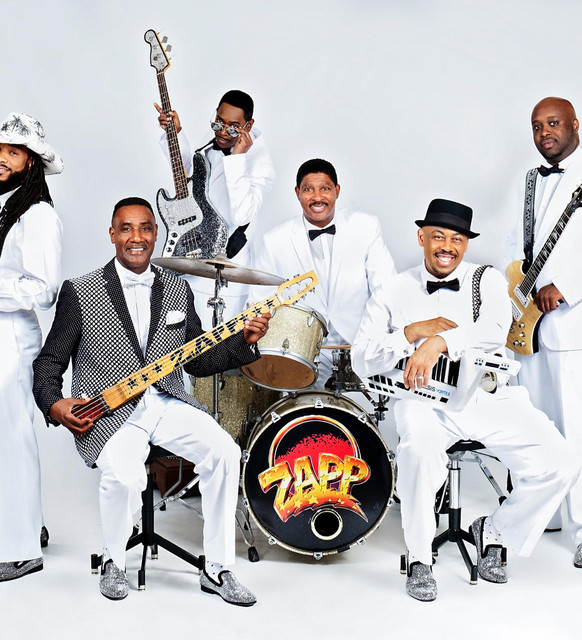
Post-disco’s lineage includes a spectrum of figures who bridged disco’s vibe into newer terrains. Giorgio Moroder, with his pioneering electronic disco productions, is often cited as a precursor; his synth-driven propulsion would influence the post-disco era’s panache. Arthur Russell stands as an influential experimental touchstone, blending disco’s grooves with avant-garde sensibilities. Zapp and the late-1980s boogie tradition, with their talk-box funk, represent the soulful edge that remained central to post-disco. Grace Jones embodied the cross-pollination of disco, funk, and new wave, while Prince’s early- to mid-1980s catalog fused swaggering grooves with synths in a way that felt distinctly post-disco-adjacent. In clubs and on records, legendary DJs and scene-makers like Larry Levan and David Mancuso helped carry the torch by shaping and popularizing the records that defined the era’s vibe.
Geography and popularity
Post-disco found strong footing in the United States—most notably in New York, Chicago, and Philadelphia—where club culture and high-fidelity dance music scenes encouraged experimentation. It also drew devoted followings in the United Kingdom, France, Italy, and Germany, where European producers and DJs translated the American energy into house-adjacent forms. Japan’s vibrant city-pop and dance scenes likewise absorbed these ideas, creating a global dialogue that persists in the revival of disco-inspired and groove-forward forms to this day.
Legacy and revival
As a historical label, post-disco informs the ladder that leads from disco to house and beyond. In the 1990s and 2000s, a nu-disco revival and contemporary disco-influenced productions kept the spirit alive, with producers revisiting the era’s vintage warmth while using modern studio tools. For enthusiasts, post-disco remains a rich, transitional sound—both a document of a pivotal moment in club music history and a template for modern grooves that blend the human warmth of funk with the precision of electronics.
Origins and birth
Post-disco grew out of the same scene that birthed disco in the 1970s, but as the genre moved from overt orchestration to more intimate, machine-driven production, a new sensibility took hold. In the United States, especially in New York and Philadelphia, producers and engineers began to favor drum machines (the TR-808, LM-1, and other early digital instruments) and programmable basslines over large live ensembles. The result was grooves that could be shuttled into quicker remix cycles and played with in club environments that prized a relentless dance heartbeat. In Europe, the movement merged with sleek synth-funk and earlyItalo-disco flavors, producing a cosmopolitan strand of post-disco that fed into later European house and techno.
Sound and approach
Post-disco is defined less by a rigid sonic recipe than by its spirit: a commitment to funk-soul feel kept alive on dance floors, now tempered by electronics. Tracks often feature tight, punchy drum patterns, warm analog bass, crisp electric piano, and shimmering polysynth pads. The tempo can hover in a mid-to-upper range that suits extended DJ sets, with extended grooves, clever edits, space in the mix, and a sense of propulsion that keeps bodies moving. The production ethos leans into texture as much as rhythm—sprinkles of reverb, filtered sweeps, and a sense of cosmic or futuristic mood that hints at the era’s optimism about technology.
Key artists and ambassadors
Post-disco’s lineage includes a spectrum of figures who bridged disco’s vibe into newer terrains. Giorgio Moroder, with his pioneering electronic disco productions, is often cited as a precursor; his synth-driven propulsion would influence the post-disco era’s panache. Arthur Russell stands as an influential experimental touchstone, blending disco’s grooves with avant-garde sensibilities. Zapp and the late-1980s boogie tradition, with their talk-box funk, represent the soulful edge that remained central to post-disco. Grace Jones embodied the cross-pollination of disco, funk, and new wave, while Prince’s early- to mid-1980s catalog fused swaggering grooves with synths in a way that felt distinctly post-disco-adjacent. In clubs and on records, legendary DJs and scene-makers like Larry Levan and David Mancuso helped carry the torch by shaping and popularizing the records that defined the era’s vibe.
Geography and popularity
Post-disco found strong footing in the United States—most notably in New York, Chicago, and Philadelphia—where club culture and high-fidelity dance music scenes encouraged experimentation. It also drew devoted followings in the United Kingdom, France, Italy, and Germany, where European producers and DJs translated the American energy into house-adjacent forms. Japan’s vibrant city-pop and dance scenes likewise absorbed these ideas, creating a global dialogue that persists in the revival of disco-inspired and groove-forward forms to this day.
Legacy and revival
As a historical label, post-disco informs the ladder that leads from disco to house and beyond. In the 1990s and 2000s, a nu-disco revival and contemporary disco-influenced productions kept the spirit alive, with producers revisiting the era’s vintage warmth while using modern studio tools. For enthusiasts, post-disco remains a rich, transitional sound—both a document of a pivotal moment in club music history and a template for modern grooves that blend the human warmth of funk with the precision of electronics.