Genre
power metal
Top Power metal Artists
Showing 25 of 1,895 artists
About Power metal
Power metal is the melodic engine of heavy metal, marrying the speed and drive of power riffs with expansive, often operatic melodies and heroic, fantasy-infused storytelling. It tends to feel like a stadium-sized symphony: bright guitar harmonies, soaring vocals, and a sense that every chorus could rally a battalion. The result is music that aims to be both technically impressive and irresistibly uplifting.
Origins trace to the late 1980s in Europe, with Germany at the heart of the movement. Helloween’s Keeper of the Seven Keys albums (the late-1980s era culminated by 1988) established the blueprint: brisk tempos, neoclassical guitar lines, bold, singable choruses, and a willingness to push heavy metal into epic, almost cinematic territory. Alongside Helloween, acts such as Blind Guardian and Gamma Ray broadened the genre’s vocabulary—faster turns, intricate arrangements, and a penchant for mythic or fantasy-inspired lyrics. By the early 1990s, power metal had differentiated itself from standard speed metal and traditional heavy metal, splitting into strands that would carry the banner into the new millennium: virtuosic, guitar-driven passages; towering vocal lines; and, in many cases, a gleaming, polished production.
What you hear in a power metal track is a catalog of unmistakable signatures. Vocals tend to be bright and powerful, often delivered in a high, ringing style that can verge on the operatic. Guitars play heroic, harmonized lines—twin leads trading melodic duties or weaving rapid, neoclassical runs. The rhythm section uses double-bass drumming and galloping grooves to sustain momentum, while keyboards (especially in subgenres like symphonic power metal) add orchestral textures and cinematic atmosphere. Lyrically, the themes repeatedly march through fantasy, mythology, ancient legends, and epic battles, sometimes with historical or fantastical storytelling that invites listeners to invest in a grand, cinematic arc.
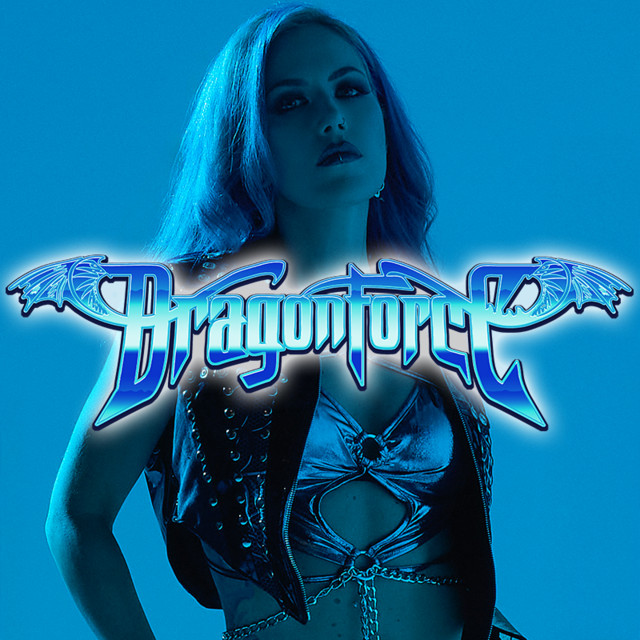
Key artists and ambassadors define the lineage. Helloween and Blind Guardian remain touchstones for the original vision; Gamma Ray helped carry the torch into the 1990s and beyond. Finland’s Stratovarius and Sonata Arctica became central to the genre’s evolution, blending rapid guitar work with sweeping melodies. Italy’s Rhapsody of Fire (formerly Rhapsody) pushed symphonic power metal into film-score-like territory, while DragonForce brought turbocharged speed and virtuosity to global audiences with anthems such as Through the Fire and Flames. Sweden’s HammerFall and Sabaton (also influential in the broader metal landscape) offered powerful, anthem-like storytelling with a distinctly European flavor.
Geographically, power metal has deep roots in Germany, Finland, Italy, and Sweden, where dedicated scenes and festivals keep the flame bright. It also enjoys enthusiastic followings in Japan and Brazil, where local bands and fans contribute to a vibrant, worldwide community. In the US, the genre exists as a passionate niche, continually fueled by live scenes and online networks.
For enthusiasts, power metal is a celebration of precision and melody wrapped in epic narrative. It rewards attentive listening—where a swift guitar flourish, a thunderous chorus, and a well-placed keyboard cue align to propel a story forward—while offering the exhilaration of a grand, anthemic performance.
Origins trace to the late 1980s in Europe, with Germany at the heart of the movement. Helloween’s Keeper of the Seven Keys albums (the late-1980s era culminated by 1988) established the blueprint: brisk tempos, neoclassical guitar lines, bold, singable choruses, and a willingness to push heavy metal into epic, almost cinematic territory. Alongside Helloween, acts such as Blind Guardian and Gamma Ray broadened the genre’s vocabulary—faster turns, intricate arrangements, and a penchant for mythic or fantasy-inspired lyrics. By the early 1990s, power metal had differentiated itself from standard speed metal and traditional heavy metal, splitting into strands that would carry the banner into the new millennium: virtuosic, guitar-driven passages; towering vocal lines; and, in many cases, a gleaming, polished production.
What you hear in a power metal track is a catalog of unmistakable signatures. Vocals tend to be bright and powerful, often delivered in a high, ringing style that can verge on the operatic. Guitars play heroic, harmonized lines—twin leads trading melodic duties or weaving rapid, neoclassical runs. The rhythm section uses double-bass drumming and galloping grooves to sustain momentum, while keyboards (especially in subgenres like symphonic power metal) add orchestral textures and cinematic atmosphere. Lyrically, the themes repeatedly march through fantasy, mythology, ancient legends, and epic battles, sometimes with historical or fantastical storytelling that invites listeners to invest in a grand, cinematic arc.
Key artists and ambassadors define the lineage. Helloween and Blind Guardian remain touchstones for the original vision; Gamma Ray helped carry the torch into the 1990s and beyond. Finland’s Stratovarius and Sonata Arctica became central to the genre’s evolution, blending rapid guitar work with sweeping melodies. Italy’s Rhapsody of Fire (formerly Rhapsody) pushed symphonic power metal into film-score-like territory, while DragonForce brought turbocharged speed and virtuosity to global audiences with anthems such as Through the Fire and Flames. Sweden’s HammerFall and Sabaton (also influential in the broader metal landscape) offered powerful, anthem-like storytelling with a distinctly European flavor.
Geographically, power metal has deep roots in Germany, Finland, Italy, and Sweden, where dedicated scenes and festivals keep the flame bright. It also enjoys enthusiastic followings in Japan and Brazil, where local bands and fans contribute to a vibrant, worldwide community. In the US, the genre exists as a passionate niche, continually fueled by live scenes and online networks.
For enthusiasts, power metal is a celebration of precision and melody wrapped in epic narrative. It rewards attentive listening—where a swift guitar flourish, a thunderous chorus, and a well-placed keyboard cue align to propel a story forward—while offering the exhilaration of a grand, anthemic performance.