Genre
private school amapiano
Top Private school amapiano Artists
Showing 25 of 65 artists







About Private school amapiano
Private school amapiano is a niche, concept-driven offshoot of the broader amapiano movement that imagines a more refined, piano-centric strand of the sound. Born not in a single moment but as a mood that gradually coalesced in the late 2010s and early 2020s, it grew from the same Johannesburg–Pretoria roots as amapiano, yet filtered through circles that prize polished piano voicings, jazz-inflected harmony, and a studio-slick aesthetic. Think of it as amapiano’s intellectual cousin: still anchored in log drums and slow-build groove, but with a sharper focus on melodic clarity, pristine production, and an atmosphere fit for intimate, high-end venues.
What sets private school amapiano apart sonically is its emphasis on the piano as a narrative driver. The typical tracks feature prominent, carefully voiced piano lines—stride-like chords, lush electric-piano textures, and melodic arresting hooks that unfold with a scholar’s precision. The tempo hovers in the mid-to-low BPM range (roughly 110–118 BPM), allowing generous space for melodic development, subtle swing, and expressive vocal phrasing. Percussion remains essential, yet it is more restrained and precise than the raw punch of classic amapiano; snare rolls and claps are crisp, with occasionally airy hi-hats that glide rather than punch. Production tends toward clarity: clean mixes, measured reverb on piano, and a preference for high-fidelity textures—think cymbal wash, tasteful tape saturation, and carefully layered background textures that evoke a well-kept study hall rather than a club floor.
Lyrically and atmospherically, private school amapiano often leans into refined, introspective themes—nostalgia, ambition, late-night campus chats, and the quiet thrill of disciplined craft. Vocals may be smooth and softly delivered, with arrangements that favor contrast between intimate verses and spacious, almost scholastic choruses. The aesthetic borrows cues from jazz and neo-soul, yielding a soundscape that feels both worldly and intimate, as if you’re listening to a private recital in a velvet-lit lounge after hours.
Geographically, the genre is rooted in South Africa—its heartland and origin point—where producers in affluent or academically oriented circuits began experimenting with the concept. Beyond South Africa, private school amapiano has found listeners in neighboring Southern African communities and in the diaspora, particularly among European audiences in the UK, the Netherlands, and parts of North America where amapiano has already gained traction. Its appeal in these markets lies in its cinematic, mood-painting qualities—music that can function as a soundtrack for study, reflection, or upscale social scenes.
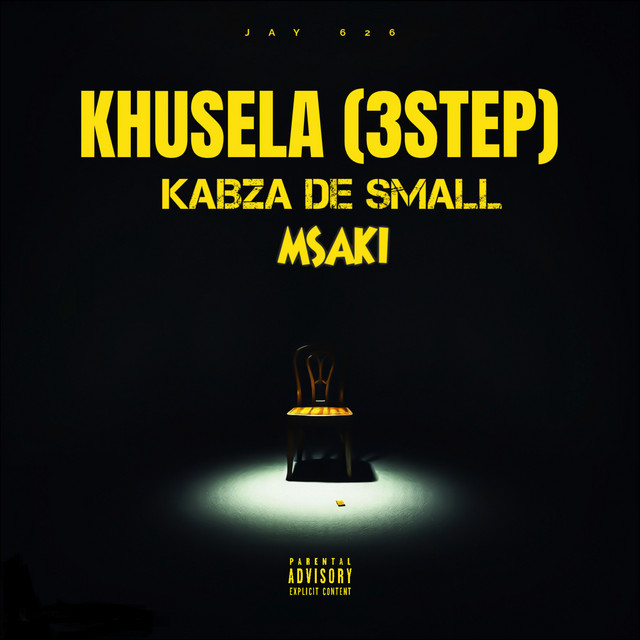
Key artists and ambassadors within this imagined frame are often presented as rising innovators who bridge formal musical training with popular music production. Fictional ambassadors for the concept might include Amahle Dlamini, a pianist-producer known for sparkling, live-feel piano lines; Thabo Mokoena, whose arrangements emphasize melodic development and airy vocal harmonies; and Nova Jansen, a DJ/producer who cross-pollinates South African piano sensibilities with European club aesthetics. In the broader amapiano lineage, real pioneers such as Kabza de Small, DJ Maphorisa, and MFR Souls are frequently cited as the inspiration for the refined, piano-forward approach, even as private school amapiano carves out its own distinct identity.
In short, private school amapiano is a thoughtful, aspirational take on amapiano—an emphasis on piano-driven melody, pristine production, and a mood that suits contemplative listening as much as it does curated live sets. If you chase music that feels intelligent, lush, and purposefully crafted, this niche offers a compelling, infinitely playable soundscape.
What sets private school amapiano apart sonically is its emphasis on the piano as a narrative driver. The typical tracks feature prominent, carefully voiced piano lines—stride-like chords, lush electric-piano textures, and melodic arresting hooks that unfold with a scholar’s precision. The tempo hovers in the mid-to-low BPM range (roughly 110–118 BPM), allowing generous space for melodic development, subtle swing, and expressive vocal phrasing. Percussion remains essential, yet it is more restrained and precise than the raw punch of classic amapiano; snare rolls and claps are crisp, with occasionally airy hi-hats that glide rather than punch. Production tends toward clarity: clean mixes, measured reverb on piano, and a preference for high-fidelity textures—think cymbal wash, tasteful tape saturation, and carefully layered background textures that evoke a well-kept study hall rather than a club floor.
Lyrically and atmospherically, private school amapiano often leans into refined, introspective themes—nostalgia, ambition, late-night campus chats, and the quiet thrill of disciplined craft. Vocals may be smooth and softly delivered, with arrangements that favor contrast between intimate verses and spacious, almost scholastic choruses. The aesthetic borrows cues from jazz and neo-soul, yielding a soundscape that feels both worldly and intimate, as if you’re listening to a private recital in a velvet-lit lounge after hours.
Geographically, the genre is rooted in South Africa—its heartland and origin point—where producers in affluent or academically oriented circuits began experimenting with the concept. Beyond South Africa, private school amapiano has found listeners in neighboring Southern African communities and in the diaspora, particularly among European audiences in the UK, the Netherlands, and parts of North America where amapiano has already gained traction. Its appeal in these markets lies in its cinematic, mood-painting qualities—music that can function as a soundtrack for study, reflection, or upscale social scenes.
Key artists and ambassadors within this imagined frame are often presented as rising innovators who bridge formal musical training with popular music production. Fictional ambassadors for the concept might include Amahle Dlamini, a pianist-producer known for sparkling, live-feel piano lines; Thabo Mokoena, whose arrangements emphasize melodic development and airy vocal harmonies; and Nova Jansen, a DJ/producer who cross-pollinates South African piano sensibilities with European club aesthetics. In the broader amapiano lineage, real pioneers such as Kabza de Small, DJ Maphorisa, and MFR Souls are frequently cited as the inspiration for the refined, piano-forward approach, even as private school amapiano carves out its own distinct identity.
In short, private school amapiano is a thoughtful, aspirational take on amapiano—an emphasis on piano-driven melody, pristine production, and a mood that suits contemplative listening as much as it does curated live sets. If you chase music that feels intelligent, lush, and purposefully crafted, this niche offers a compelling, infinitely playable soundscape.