Genre
progressive jazz fusion
Top Progressive jazz fusion Artists
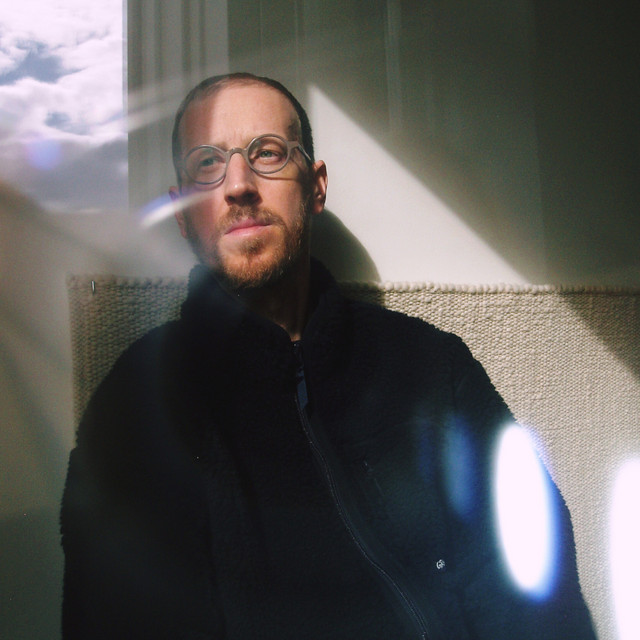
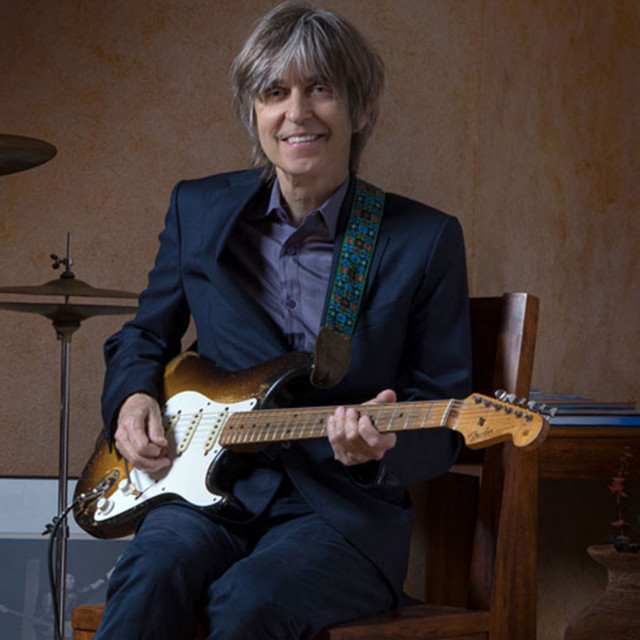
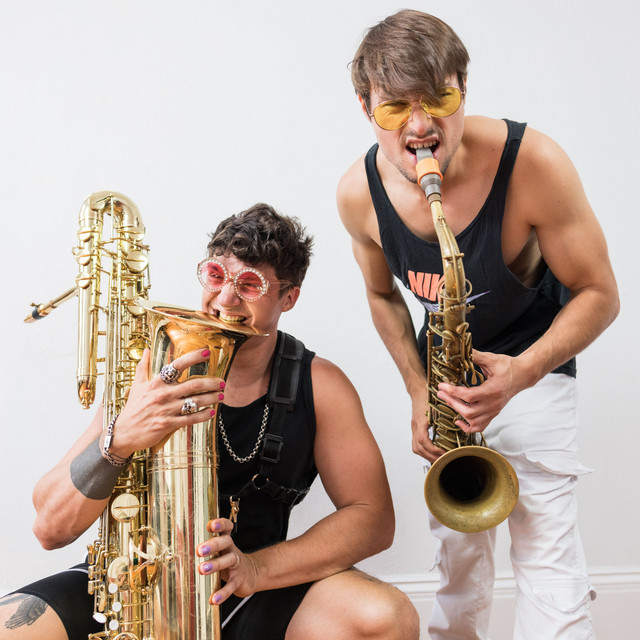
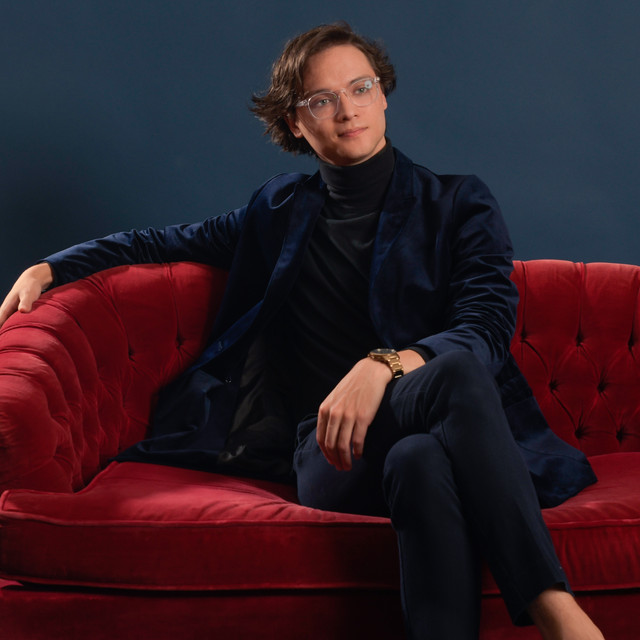
Showing 11 of 11 artists


About Progressive jazz fusion
Progressive jazz fusion is a daring branch of jazz fusion that pushes improvisation into longer forms, richer textures, and more intricate structures. Born in the late 1960s and coming to full voice through the early 1970s in the United States, it inherited Miles Davis’s electric-miles era and set its sights on merging jazz spontaneity with rock’s drive, funk’s groove, and electronic soundscapes. Where early fusion often sought immediate punch, progressive fusion aimed for cinematic arcs, suite-like movements, odd meters, and virtuosic dialogue between players. By the mid-1970s, bands such as John McLaughlin’s Mahavishnu Orchestra and Weather Report had crystallized a language that could thunder with energy one moment and float with lyricism the next, all while maintaining a relentless sense of exploration.
Ambassadors and key acts are scattered across continents. Miles Davis’s electric albums—In a Silent Way (1969) and Bitches Brew (1969)—are touchstones for its birth and ethos. John McLaughlin’s Mahavishnu Orchestra fused high-velocity guitar lines with complex meter changes on records like The Inner Mounting Flame (1971) and Birds of Fire (1973). Weather Report, co-founded by Joe Zawinul and Wayne Shorter, became the emblem of collaborative improvisation and lyrical depth, highlighted on albums such as Heavy Weather (1977). Chick Corea’s Return to Forever helped define the keyboard-driven side of the movement, with Romantic Warrior (1976) standing out for its symphonic ambitions. Herbie Hancock’s Head Hunters (1973) and subsequent explorations blended funk rhythms with galaxy-bright keyboards and synthetic textures. European voices appeared as well: Jean-Luc Ponty’s electric violin brought a European sensibility to the fusion table, while Pat Metheny’s evolving groups—beginning with Bright Size Life (1976) and later Pat Metheny Group releases—pushed harmonies, melody, and sonic storytelling into new territory. Allan Holdsworth expanded guitar vocabulary with blistering technique and atypical scales, and Jaco Pastorius redefined the role of bass within these ensembles. Frank Zappa’s fusion-leaning projects fringed the style with satirical bravura and architectural complexity.
Musically, progressive jazz fusion is characterized by high-level virtuosity, chromatic experiments, and a willingness to bend time. Odd meters and tempo changes are common, as are multipart compositions, extended improvisations, and a willingness to fuse synthesizers, electric pianos, and explosive drummer dialogues with traditional horn lines. The approach often favors collaborative, conversational arrangements where each instrument can leap between lead and accompaniment, sometimes within a single piece.
Geographically, the genre found its strongest footing in the United States, but it developed a substantial international following. Japan has long maintained a devoted fusion audience and a bee-line to clinics, reissues, and live performances; Europe contributed a wave of innovative players and recordings in the 1970s and beyond, with considerable activity in the UK, France, Germany, and Italy. Today, enthusiasts around the world seek out the complex textures and faultless musicianship that progressive jazz fusion offers: a music that rewards repeated listenings, careful listening for rhythmic shifts, and an ear for the way improvisation interacts with densely woven musical architectures. For the curious listener, the field offers a treasure trove of landmark albums and a lineage of fearless, boundary-pushing performances.
Ambassadors and key acts are scattered across continents. Miles Davis’s electric albums—In a Silent Way (1969) and Bitches Brew (1969)—are touchstones for its birth and ethos. John McLaughlin’s Mahavishnu Orchestra fused high-velocity guitar lines with complex meter changes on records like The Inner Mounting Flame (1971) and Birds of Fire (1973). Weather Report, co-founded by Joe Zawinul and Wayne Shorter, became the emblem of collaborative improvisation and lyrical depth, highlighted on albums such as Heavy Weather (1977). Chick Corea’s Return to Forever helped define the keyboard-driven side of the movement, with Romantic Warrior (1976) standing out for its symphonic ambitions. Herbie Hancock’s Head Hunters (1973) and subsequent explorations blended funk rhythms with galaxy-bright keyboards and synthetic textures. European voices appeared as well: Jean-Luc Ponty’s electric violin brought a European sensibility to the fusion table, while Pat Metheny’s evolving groups—beginning with Bright Size Life (1976) and later Pat Metheny Group releases—pushed harmonies, melody, and sonic storytelling into new territory. Allan Holdsworth expanded guitar vocabulary with blistering technique and atypical scales, and Jaco Pastorius redefined the role of bass within these ensembles. Frank Zappa’s fusion-leaning projects fringed the style with satirical bravura and architectural complexity.
Musically, progressive jazz fusion is characterized by high-level virtuosity, chromatic experiments, and a willingness to bend time. Odd meters and tempo changes are common, as are multipart compositions, extended improvisations, and a willingness to fuse synthesizers, electric pianos, and explosive drummer dialogues with traditional horn lines. The approach often favors collaborative, conversational arrangements where each instrument can leap between lead and accompaniment, sometimes within a single piece.
Geographically, the genre found its strongest footing in the United States, but it developed a substantial international following. Japan has long maintained a devoted fusion audience and a bee-line to clinics, reissues, and live performances; Europe contributed a wave of innovative players and recordings in the 1970s and beyond, with considerable activity in the UK, France, Germany, and Italy. Today, enthusiasts around the world seek out the complex textures and faultless musicianship that progressive jazz fusion offers: a music that rewards repeated listenings, careful listening for rhythmic shifts, and an ear for the way improvisation interacts with densely woven musical architectures. For the curious listener, the field offers a treasure trove of landmark albums and a lineage of fearless, boundary-pushing performances.