Genre
progressive post-hardcore
Top Progressive post-hardcore Artists
Showing 19 of 19 artists





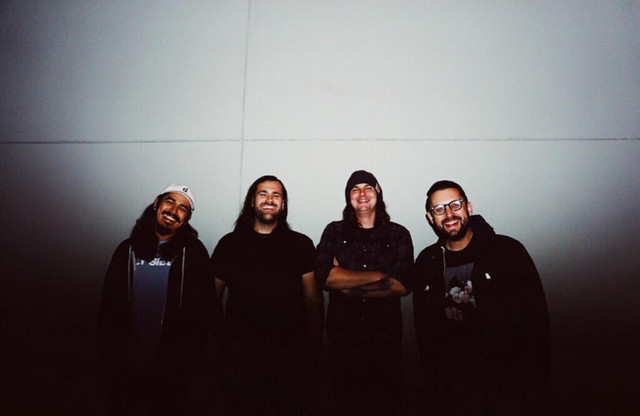




About Progressive post-hardcore
Progressive post-hardcore is a fusion genre that sits at the intersection of post-hardcore’s raw energy and the exploratory spirit of progressive rock. It emphasizes dynamic contrasts, intricate arrangements, and a willingness to push tempo, rhythm, and harmony beyond conventional rules. The result is music that can roar with aggression in the one moment and unfurl labyrinthine melodies in the next, often within a single track or a concept-driven sequence.
The roots lie in the late 1990s and early 2000s, when American post-hardcore bands began to stretch beyond verse-chorus hooks into longer, more complex structures. While post-hardcore had already evolved from the 1980s DIY scene, the progressive strand matured as bands started to experiment with odd time signatures, polyrhythms, extended instrumental passages, and concept-driven lyrics. The Dillinger Escape Plan, with Calculating Infinity (1999) and a string of adventurous releases, helped codify a ruthless, technique-forward approach that many later bands would call progressive. Circa Survive and Thrice pushed the melodic side of the spectrum, pairing lush guitar textures with unusual progressions. Coheed and Cambria combined story-driven concept albums with sprawling, multi-movement forms that felt both theatrical and intimate. The Fall of Troy and Dance Gavin Dance popularized contrasts between blistering technique and fragile, emotive singing, while The Mars Volta and other contemporaries blurred the line between post-hardcore, math rock, and progressive rock.
In practice, the sound lives in heavy, muscular drums and bass, agile guitar alignments, and soaring or anguished vocal timbres. Song structures bend and twist: songs may hinge on odd meters, sudden tempo shifts, or long instrumental explorations that vanish into a chorus only to return with a radically different mood. Lyrical content often embraces concept-driven narratives, existential questions, or personal introspection, delivered with an intensity that can veer from incendiary to ethereal.
Ambassadors and touchstones include bands that defined the look and feel of the scene. The Dillinger Escape Plan stands as a benchmark for aggression and technical daring. Coheed and Cambria popularized the concept‑album approach while weaving progressive rock shapes into post-hardcore DNA. Circa Survive brought a melodic grandeur and breathy vocal delivery into the fold. The Fall of Troy offered miraculous guitar fireworks and sculpted, cinematic songs. Dance Gavin Dance fused groove-centric riffing with intricate arrangements. Thrice transformed from a ferocious post-hardcore act into a sophisticated, progressive-leaning band that frequently used texture and atmosphere as weapons.
Geographically, the movement found its strongest footholds in the United States, particularly in California, the Northeast, and the Midwest. It has also found devoted fans in Europe, notably the UK and Germany, and has resonances in other scenes across Australia and Japan. Today, progressive post-hardcore is less a single sound than a family of bands that share a spirit: to chase complexity without sacrificing emotional directness, and to prove that intensity and intellect can coexist on the same record. To listeners new to the subgenre, a good entry point is to sample contrasts within a single track or across an album: a brutal verse, a melodic chorus, and an extended instrumental.
The roots lie in the late 1990s and early 2000s, when American post-hardcore bands began to stretch beyond verse-chorus hooks into longer, more complex structures. While post-hardcore had already evolved from the 1980s DIY scene, the progressive strand matured as bands started to experiment with odd time signatures, polyrhythms, extended instrumental passages, and concept-driven lyrics. The Dillinger Escape Plan, with Calculating Infinity (1999) and a string of adventurous releases, helped codify a ruthless, technique-forward approach that many later bands would call progressive. Circa Survive and Thrice pushed the melodic side of the spectrum, pairing lush guitar textures with unusual progressions. Coheed and Cambria combined story-driven concept albums with sprawling, multi-movement forms that felt both theatrical and intimate. The Fall of Troy and Dance Gavin Dance popularized contrasts between blistering technique and fragile, emotive singing, while The Mars Volta and other contemporaries blurred the line between post-hardcore, math rock, and progressive rock.
In practice, the sound lives in heavy, muscular drums and bass, agile guitar alignments, and soaring or anguished vocal timbres. Song structures bend and twist: songs may hinge on odd meters, sudden tempo shifts, or long instrumental explorations that vanish into a chorus only to return with a radically different mood. Lyrical content often embraces concept-driven narratives, existential questions, or personal introspection, delivered with an intensity that can veer from incendiary to ethereal.
Ambassadors and touchstones include bands that defined the look and feel of the scene. The Dillinger Escape Plan stands as a benchmark for aggression and technical daring. Coheed and Cambria popularized the concept‑album approach while weaving progressive rock shapes into post-hardcore DNA. Circa Survive brought a melodic grandeur and breathy vocal delivery into the fold. The Fall of Troy offered miraculous guitar fireworks and sculpted, cinematic songs. Dance Gavin Dance fused groove-centric riffing with intricate arrangements. Thrice transformed from a ferocious post-hardcore act into a sophisticated, progressive-leaning band that frequently used texture and atmosphere as weapons.
Geographically, the movement found its strongest footholds in the United States, particularly in California, the Northeast, and the Midwest. It has also found devoted fans in Europe, notably the UK and Germany, and has resonances in other scenes across Australia and Japan. Today, progressive post-hardcore is less a single sound than a family of bands that share a spirit: to chase complexity without sacrificing emotional directness, and to prove that intensity and intellect can coexist on the same record. To listeners new to the subgenre, a good entry point is to sample contrasts within a single track or across an album: a brutal verse, a melodic chorus, and an extended instrumental.