Genre
proto-rap
Top Proto-rap Artists
Showing 21 of 21 artists





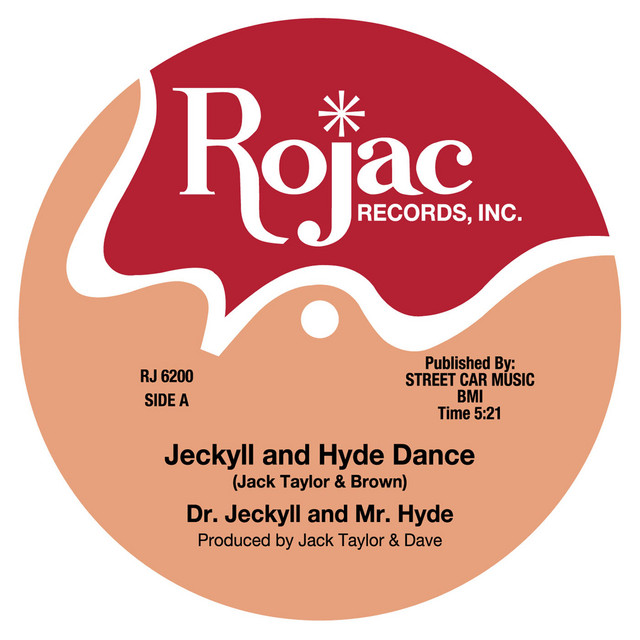

About Proto-rap
Proto-rap is the prehistory of what would become rap music: a lineage of rhythmic speech, storytelling, and social critique delivered with cadence, punch, and a stubborn insistence on rhythm over melody. Born from a blend of African American spoken word, jazz poetry, and the Jamaican sound-system culture that fed early hip-hop, proto-rap sits at the hinge between the Black Arts Movement and the first, microphone-wielding rap performances. It is less a single sound than a family of approaches: spoken, often political, sometimes improvised, and designed for the shared listening of a live crowd.
Though there is no single birthplace, the late 1960s and early 1970s in New York's streets and clubs provided the most visible incubator. The Last Poets, formed in Harlem in 1968, fused poetry with a drum-like rhythmic delivery that sounded almost like rap before the genre had a name. They treated language as political weaponry, turning social critique into performance. Around the same time, Gil Scott-Heron released pieces that stitched sermons, jazz, and spoken narrative into compact, bite-sized raps; 'The Revolution Will Not Be Televised' became a manifesto as much as a song. Jamaican toaster culture—which used toasting, a fast, rhythmic spoken delivery over reggae riddims—reached the Atlantic with immigrant communities and DJs, helping to shape the cadence that would later energize rap.
Ambassadors and touchstones in the proto-rap canon include The Last Poets and Gil Scott-Heron as foundational figures, with U-Roy as a parallel influence in the broader rhythmic speech tradition. These artists did not simply perform; they argued, narrated, and mobilized audiences, laying the groundwork for later rap's emphasis on message, mic presence, and crowd interaction. The sound was often leaner than full-blown funk- or R&B-infused rap; it prized rhyme, rhythm, and rhetorical bite over polished hooks. Production, when present, leaned on simple beats or percussion-driven frameworks that kept the voice in the foreground.
Geographically, proto-rap drew most of its energy from the United States, particularly urban centers with strong Black arts communities. In Europe and other continents, listeners recognized proto-rap primarily through academic writing and archival releases that traced hip-hop's roots. In recent years, enthusiasm among historians and enthusiasts has grown, inspiring reissues and live performances that celebrate the era's raw power and social urgency.
Legacy: proto-rap did not vanish when hip-hop rose; it metabolized into the genre's core literacy: spoken delivery, narrative punch lines, political and social consciousness, and the ritual of performance. Contemporary artists often cite these early voices when they reach for a cadence that sits between poetry and rhyme, and DJs and producers continue to sample or riff on the radical, non-singing approach. For listeners who trace rap to its roots, proto-rap offers a stark reminder that the art form began as a collective call-and-response, a poetry slam with a beat, a manifesto spoken into a microphone rather than sung into a studio chorus. For collectors and researchers, proto-rap is a doorway into the history behind hip-hop: a reminder that rhythmic speech can carry protest, humor, and community across generations.
Though there is no single birthplace, the late 1960s and early 1970s in New York's streets and clubs provided the most visible incubator. The Last Poets, formed in Harlem in 1968, fused poetry with a drum-like rhythmic delivery that sounded almost like rap before the genre had a name. They treated language as political weaponry, turning social critique into performance. Around the same time, Gil Scott-Heron released pieces that stitched sermons, jazz, and spoken narrative into compact, bite-sized raps; 'The Revolution Will Not Be Televised' became a manifesto as much as a song. Jamaican toaster culture—which used toasting, a fast, rhythmic spoken delivery over reggae riddims—reached the Atlantic with immigrant communities and DJs, helping to shape the cadence that would later energize rap.
Ambassadors and touchstones in the proto-rap canon include The Last Poets and Gil Scott-Heron as foundational figures, with U-Roy as a parallel influence in the broader rhythmic speech tradition. These artists did not simply perform; they argued, narrated, and mobilized audiences, laying the groundwork for later rap's emphasis on message, mic presence, and crowd interaction. The sound was often leaner than full-blown funk- or R&B-infused rap; it prized rhyme, rhythm, and rhetorical bite over polished hooks. Production, when present, leaned on simple beats or percussion-driven frameworks that kept the voice in the foreground.
Geographically, proto-rap drew most of its energy from the United States, particularly urban centers with strong Black arts communities. In Europe and other continents, listeners recognized proto-rap primarily through academic writing and archival releases that traced hip-hop's roots. In recent years, enthusiasm among historians and enthusiasts has grown, inspiring reissues and live performances that celebrate the era's raw power and social urgency.
Legacy: proto-rap did not vanish when hip-hop rose; it metabolized into the genre's core literacy: spoken delivery, narrative punch lines, political and social consciousness, and the ritual of performance. Contemporary artists often cite these early voices when they reach for a cadence that sits between poetry and rhyme, and DJs and producers continue to sample or riff on the radical, non-singing approach. For listeners who trace rap to its roots, proto-rap offers a stark reminder that the art form began as a collective call-and-response, a poetry slam with a beat, a manifesto spoken into a microphone rather than sung into a studio chorus. For collectors and researchers, proto-rap is a doorway into the history behind hip-hop: a reminder that rhythmic speech can carry protest, humor, and community across generations.