Genre
puerto rican folk
Top Puerto rican folk Artists
Showing 10 of 10 artists



About Puerto rican folk
Puerto Rican folk is not a single sound but a family of rooted traditions that together trace the island’s cultural heartbeat. Broadly, it encompasses Afro-Puerto Rican bomba, urban plena, and rural jíbaro expressions (including aguinaldo carols in the Christmas season and the danza’s historical lineage). Each strand speaks to a different community and historical moment, yet all share a fierce sense of Puerto Rico’s identity, memory, and resilience.
Bomba, one of the island’s oldest living Afro-Puerto Rican art forms, arose in the cocoa, sugar, and coffee estates of the coast, especially around Loíza, from the colonial era onward. Its power lies in percussion, call-and-response singing, and dance. Drums, often made from wooden barrels, guide the tempo and texture, while dancers enact a dialogue with the drums and the lead singer. Bomba’s rhythms shift between intimate, chant-like exchanges and expansive, polyrhythmic crescendos, making each performance a conversation between generations. In the 20th century, bomba became a symbol of Afro-Puerto Rican pride and endurance, preserved in family lineages and in performance groups that travel worldwide. The Cepeda family, notably Rafael Cepeda “El Maestro” and his kin, are widely celebrated as ambassadors who carried bomba’s language to new audiences.
Plena, born in urban Puerto Rico around the early 1900s, is the street-smart chronicle of everyday life. Its instrumentation is acoustic and participatory: small hand drums (panderetas), a güiro, sometimes a guitar, and voices that narrate stories, social commentary, and humor in a democratic, dramatic style. Plena’s lyricism made it a voice for workers, musicians, and communities in cities like Ponce and San Juan and later in the diaspora. In the late 20th century and beyond, plena experienced a revival through groups such as Los Pleneros de la 21 and Plena Libre, who brought the genre into theaters, clubs, and world-music circuits while preserving its social edge. Today, plena remains a living archive—an oral newspaper in song form that can celebrate joy, critique injustice, and celebrate everyday life with a danceable pulse.
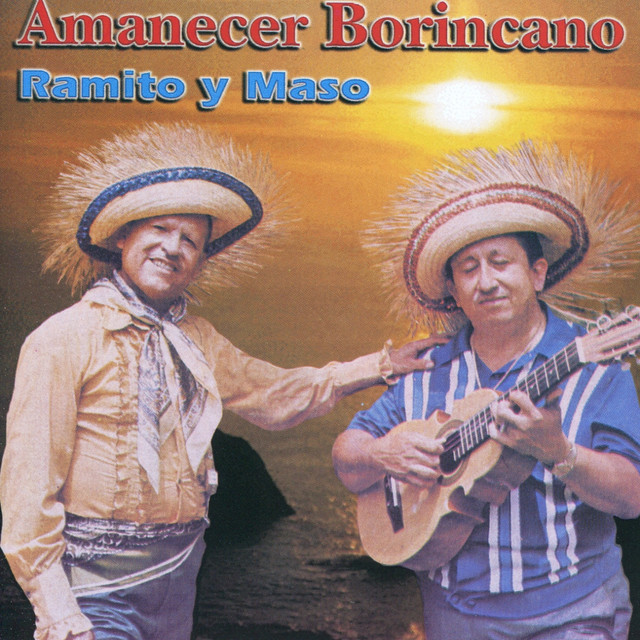
The jíbaro spirit—folk music of the Puerto Rican countryside—often centers on the cuatro (a four-string guitar-like instrument), the guitar, and vocal harmonies. Agüinaldos (aguinaldo) are Christmas songs performed in rural and urban communities, while seis and other rustic forms echo the island’s mountains and fields. These styles are tied to rural fiestas and family gatherings and have helped preserve the cadence of Puerto Rican Spanish, storytelling, and dance as essential cultural currency.
Ambassadors and contemporary torchbearers include veteran bomba ensembles like the Cepeda clan and newer plena groups that keep the music accessible to younger generations without losing its bite. The sounds have found receptive audiences in Puerto Rico and in diaspora hubs across the United States—New York, Orlando, Philadelphia, Chicago—and in other Latin Caribbean communities, where families keep the steps, the stories, and the grooves alive in clubs, festivals, and cultural centers.
For enthusiasts, Puerto Rican folk offers a dual thrill: the immediacy of street-level storytelling in plena, the ritualized dialogue of bomba, and the intimate rural textures of jíbaro and danza. It is a living archive—musical memory in motion, continuously reimagined while stubbornly rooted in history.
Bomba, one of the island’s oldest living Afro-Puerto Rican art forms, arose in the cocoa, sugar, and coffee estates of the coast, especially around Loíza, from the colonial era onward. Its power lies in percussion, call-and-response singing, and dance. Drums, often made from wooden barrels, guide the tempo and texture, while dancers enact a dialogue with the drums and the lead singer. Bomba’s rhythms shift between intimate, chant-like exchanges and expansive, polyrhythmic crescendos, making each performance a conversation between generations. In the 20th century, bomba became a symbol of Afro-Puerto Rican pride and endurance, preserved in family lineages and in performance groups that travel worldwide. The Cepeda family, notably Rafael Cepeda “El Maestro” and his kin, are widely celebrated as ambassadors who carried bomba’s language to new audiences.
Plena, born in urban Puerto Rico around the early 1900s, is the street-smart chronicle of everyday life. Its instrumentation is acoustic and participatory: small hand drums (panderetas), a güiro, sometimes a guitar, and voices that narrate stories, social commentary, and humor in a democratic, dramatic style. Plena’s lyricism made it a voice for workers, musicians, and communities in cities like Ponce and San Juan and later in the diaspora. In the late 20th century and beyond, plena experienced a revival through groups such as Los Pleneros de la 21 and Plena Libre, who brought the genre into theaters, clubs, and world-music circuits while preserving its social edge. Today, plena remains a living archive—an oral newspaper in song form that can celebrate joy, critique injustice, and celebrate everyday life with a danceable pulse.
The jíbaro spirit—folk music of the Puerto Rican countryside—often centers on the cuatro (a four-string guitar-like instrument), the guitar, and vocal harmonies. Agüinaldos (aguinaldo) are Christmas songs performed in rural and urban communities, while seis and other rustic forms echo the island’s mountains and fields. These styles are tied to rural fiestas and family gatherings and have helped preserve the cadence of Puerto Rican Spanish, storytelling, and dance as essential cultural currency.
Ambassadors and contemporary torchbearers include veteran bomba ensembles like the Cepeda clan and newer plena groups that keep the music accessible to younger generations without losing its bite. The sounds have found receptive audiences in Puerto Rico and in diaspora hubs across the United States—New York, Orlando, Philadelphia, Chicago—and in other Latin Caribbean communities, where families keep the steps, the stories, and the grooves alive in clubs, festivals, and cultural centers.
For enthusiasts, Puerto Rican folk offers a dual thrill: the immediacy of street-level storytelling in plena, the ritualized dialogue of bomba, and the intimate rural textures of jíbaro and danza. It is a living archive—musical memory in motion, continuously reimagined while stubbornly rooted in history.