Genre
zambian pop
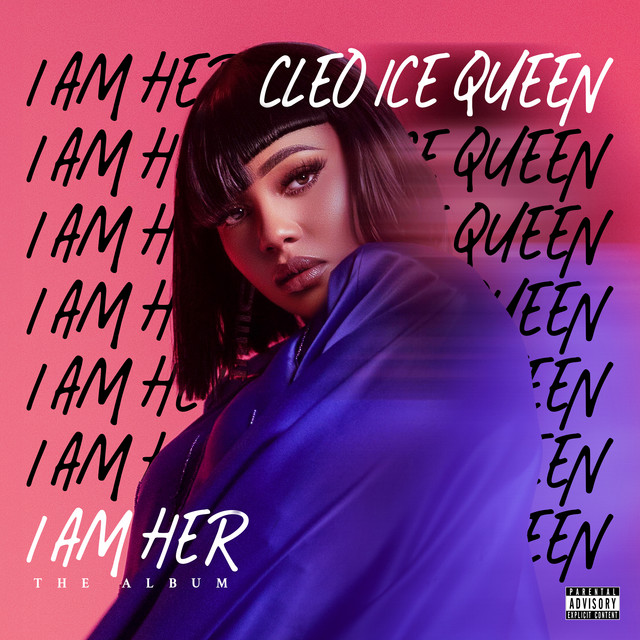
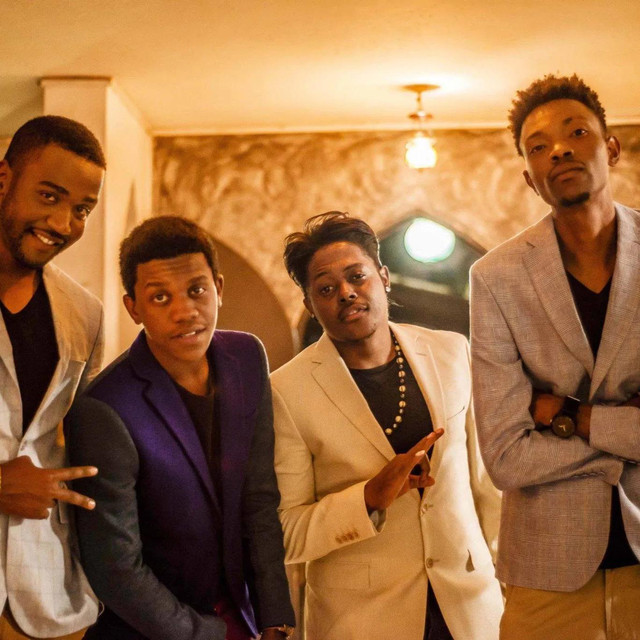
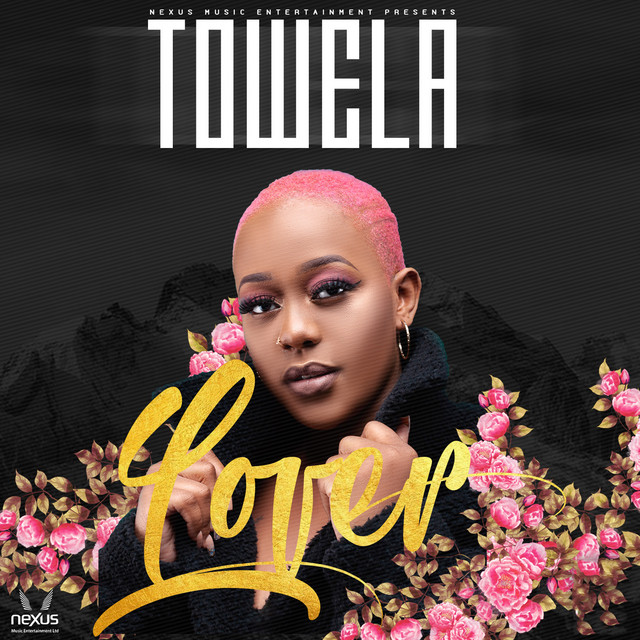
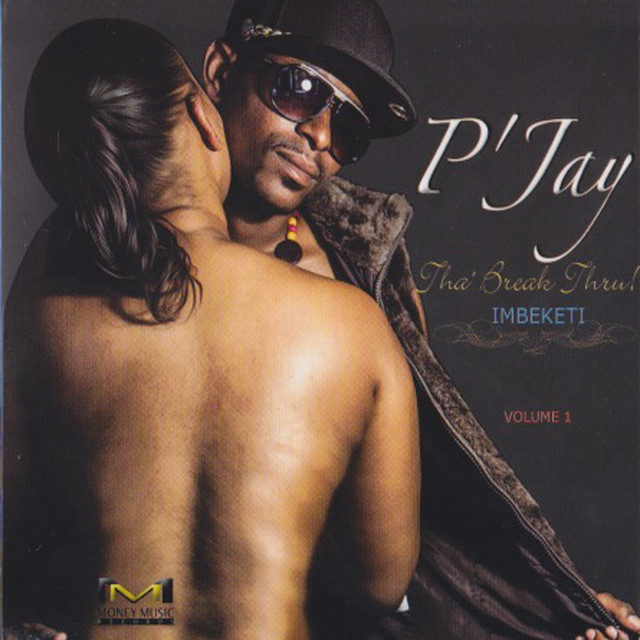
Top Zambian pop Artists
Showing 25 of 41 artists





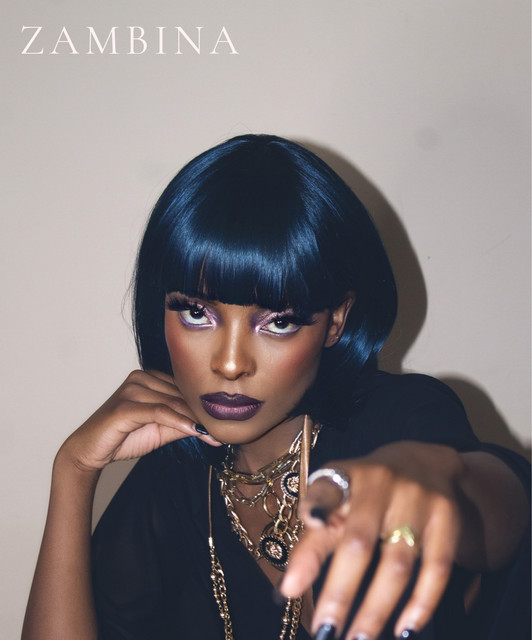

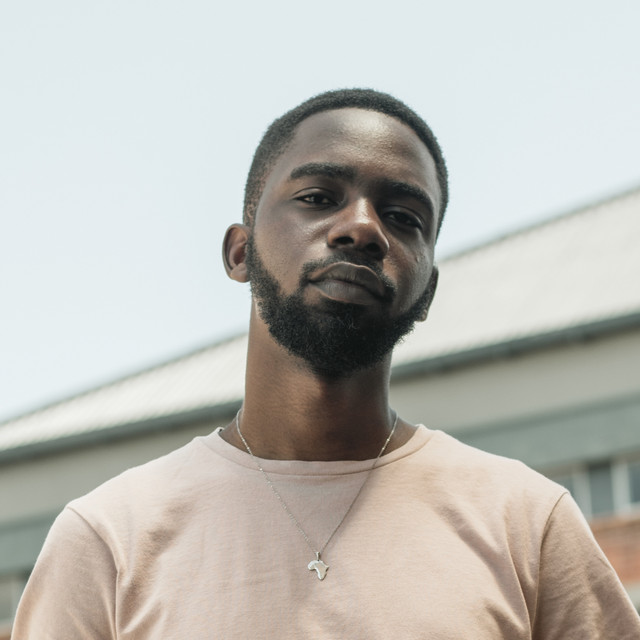


About Zambian pop
Zambian pop, often abbreviated as ZamPop, is the vibrant mainstream sound of Zambia’s urban centers—chiefly Lusaka and the Copperbelt—where catchy hooks, polished production, and multilingual lyrics drive daily radio play and club nights. Born from a confluence of traditional Zambian forms, African pop, and the global rise of digital recording, ZamPop truly came into its own in the late 1990s and early 2000s as access to studio technology and music videos widened. It thrives on melodic phrasing, danceable tempos, and a willingness to blend local languages (Nyanja, Bemba, and English) with infectious pop sensibilities. Over the last decade, it has matured into a diversified scene that encompasses ballads, Afro-pop anthems, and radio-friendly collaborations.
The genre’s sound is a fusion: the guitar-driven drive of Kalindula–influenced textures meets contemporary pop production, with synths, tight drum patterns, and a penchant for memorable choruses. Vocals glide between smooth R&B-inspired melodies and punchy pop-rap delivery. Lyrically, ZamPop songs often explore love, heartbreak, ambition, social life, and everyday Zambian experiences, delivering messages that resonate on dance floors and in armchair listening alike. Production teams blend live instrumentation with modern digital work, giving ZamPop a glossy, radio-ready sheen while preserving a distinctly local flavor through language, rhythm, and storytelling.
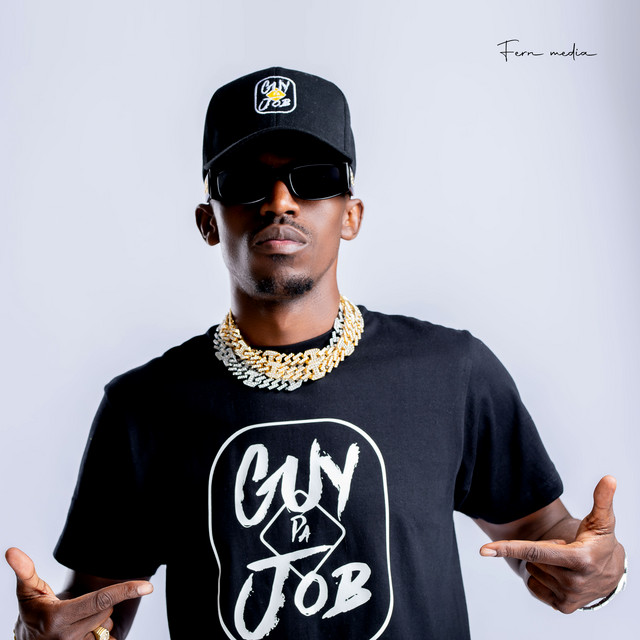
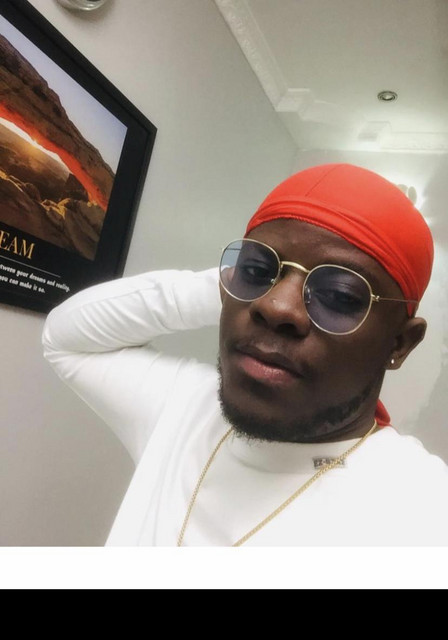
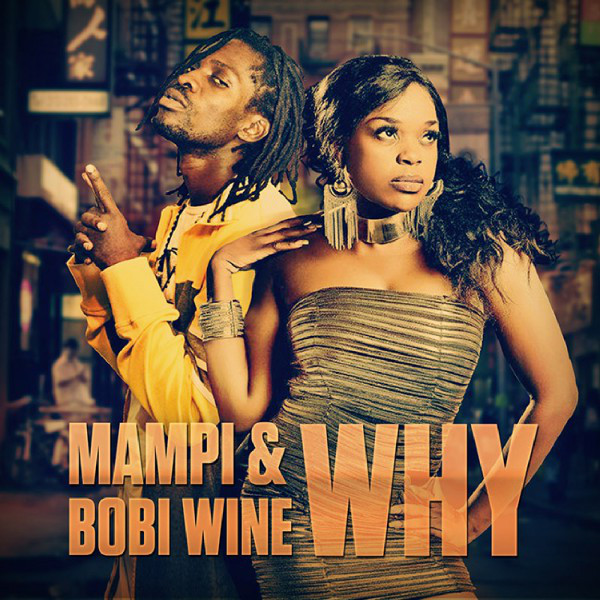
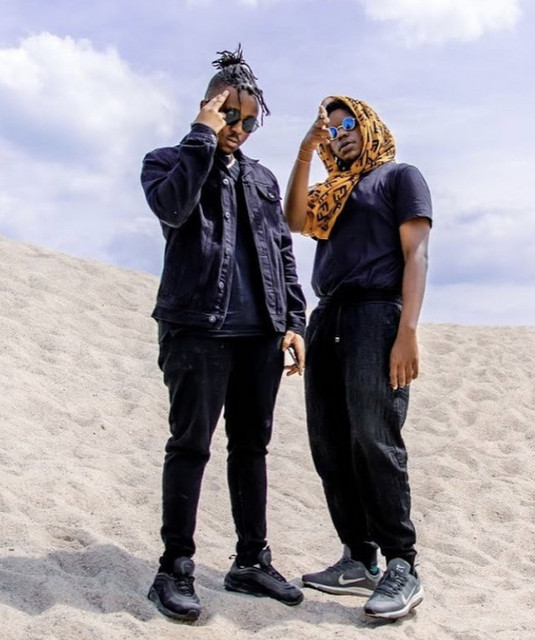
Several artists have become ambassadors of the genre, helping to shape its identity and push it beyond Zambia’s borders. Slap Dee, a pioneering figure in Zambian hip hop who has crossed into mainstream pop sensibilities, is frequently cited as a defining voice for ZamPop’s urban sound. Mampi, a top vocalist known for her bold blends of pop, dance, and R&B, has helped bring ZamPop’s sensual, high-energy side to wider audiences. Chef 187 is another pillar, blending hip hop credibility with pop hooks that appeal to a broad listener base. In more recent years, YouTube and streaming platforms have elevated artists like Yo Maps and Wezi, whose melodic ballads and contemporary pop arrangements have propelled ZamPop into the broader Southern African repertoire. These artists—along with a new generation of producers and vocalists—serve as the genre’s global ambassadors, showing how Zambian pop can be both deeply local and universally appealing.
Geographically, ZamPop is most popular in Zambia, but it also finds audiences in neighboring countries such as the Democratic Republic of Congo, Botswana, and South Africa, where cross-border collaborations and shared musical tastes help propagate its rhythms. The Zambian diaspora in the United Kingdom, United States, and other parts of Europe has also carried ZamPop’s bands and artists to international stages, expanding the genre’s reach. In the streaming era, ZamPop remains a live, community-driven experience—songs crafted for the dance floor, yet with enough narrative bite to reward repeat listening. For music enthusiasts, ZamPop offers a window into Zambia’s contemporary urban culture: a genre that honors tradition while embracing global pop aesthetics.
The genre’s sound is a fusion: the guitar-driven drive of Kalindula–influenced textures meets contemporary pop production, with synths, tight drum patterns, and a penchant for memorable choruses. Vocals glide between smooth R&B-inspired melodies and punchy pop-rap delivery. Lyrically, ZamPop songs often explore love, heartbreak, ambition, social life, and everyday Zambian experiences, delivering messages that resonate on dance floors and in armchair listening alike. Production teams blend live instrumentation with modern digital work, giving ZamPop a glossy, radio-ready sheen while preserving a distinctly local flavor through language, rhythm, and storytelling.
Several artists have become ambassadors of the genre, helping to shape its identity and push it beyond Zambia’s borders. Slap Dee, a pioneering figure in Zambian hip hop who has crossed into mainstream pop sensibilities, is frequently cited as a defining voice for ZamPop’s urban sound. Mampi, a top vocalist known for her bold blends of pop, dance, and R&B, has helped bring ZamPop’s sensual, high-energy side to wider audiences. Chef 187 is another pillar, blending hip hop credibility with pop hooks that appeal to a broad listener base. In more recent years, YouTube and streaming platforms have elevated artists like Yo Maps and Wezi, whose melodic ballads and contemporary pop arrangements have propelled ZamPop into the broader Southern African repertoire. These artists—along with a new generation of producers and vocalists—serve as the genre’s global ambassadors, showing how Zambian pop can be both deeply local and universally appealing.
Geographically, ZamPop is most popular in Zambia, but it also finds audiences in neighboring countries such as the Democratic Republic of Congo, Botswana, and South Africa, where cross-border collaborations and shared musical tastes help propagate its rhythms. The Zambian diaspora in the United Kingdom, United States, and other parts of Europe has also carried ZamPop’s bands and artists to international stages, expanding the genre’s reach. In the streaming era, ZamPop remains a live, community-driven experience—songs crafted for the dance floor, yet with enough narrative bite to reward repeat listening. For music enthusiasts, ZamPop offers a window into Zambia’s contemporary urban culture: a genre that honors tradition while embracing global pop aesthetics.