Genre
punjabi folk
Top Punjabi folk Artists
Showing 15 of 15 artists


About Punjabi folk
Punjabi folk is the living soundscape of the Punjab, a region split between India and Pakistan that has nurtured one of the world’s most expressive and enduring folk music traditions. Rooted in village life, harvest rituals, weddings, work songs, and devotional poetry, it has carried the storytelling of centuries from the fields to concert halls and streaming playlists. Its voice is intimate and communal at once, inviting listeners to hum along, clap, and participate in the mood of the moment.
Origins and sound
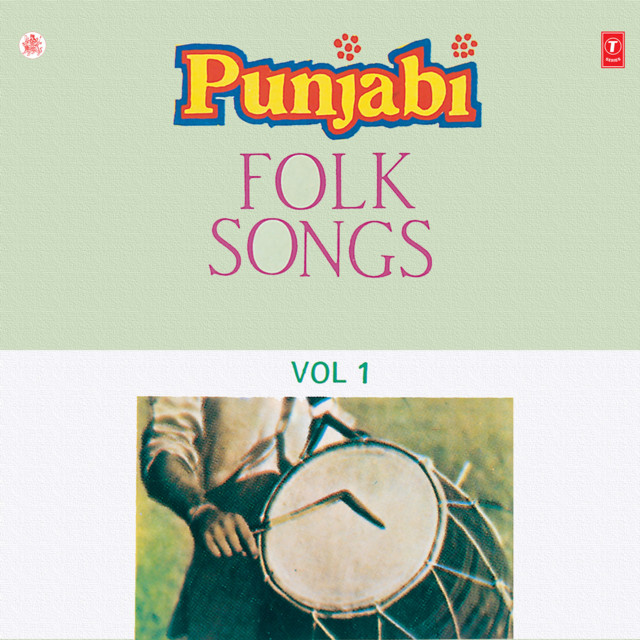
Punjabi folk is ancient in spirit, evolving from the oral traditions of bhangra-derived dances, Sufi-inspired qawwali and kafis, and the lyrical ballads that told tales of love, valor, and everyday struggle. The vocal styles range from robust, high-energy calls to tender, lilting croons. Instrumentation is crucial: the dhol keeps the pulse, the dholak and tabla provide rhythm, the tumbi and algoza introduce caramel-like melodic hooks, and the chimta, sarangi, flute and been color the texture. The music often uses a call-and-response structure, with refrains that invite participation from dancers and listeners alike.
Birth, evolution, and cross-border resonance
Punjabi folk did not have a single birthplace; it grew from village gatherings, fairs, and devotional circles, and then traveled along with migration, trade, and storytelling. Its formalization as a recognizable genre happened over many generations, accelerating in the 19th and 20th centuries as recording technology and radio began to disseminate rural sounds beyond their districts. After the partition of 1947, Punjabi folk became a shared cultural thread for millions on both sides of the new border, sustaining transnational connections that would later feed global interest in South Asian folk roots.
Ambassadors and landmark voices
- Alam Lohar (Pakistan): A towering figure who popularized the rustic, narrative Punjabi voice, especially famous for jugni-inspired songs that remain emblematic of the genre’s earthy, storytelling core.
- Reshma (Pakistan): A fearless, emotive voice whose raw timbre made timeless folk standards like Lambi Judaiya resonate across generations.
- Gurdas Maan (India): A modern ambassador who carried Punjabi folk into contemporary albums and live stages without losing its traditional essence.
- Surjit Bindrakhia and Harbhajan Mann (India): Pivotal figures in bringing robust vocal prowess and countryside sensibilities to a broader audience, blending folk textures with popular phrasing.
- Nooran Sisters (India/Pakistan): Contemporary torchbearers who revived Sufi-inflected Punjabi folk for a new listening public with powerful, devotional delivery.
Global footprint
Punjabi folk has a strong core in the Indian state of Punjab and Pakistan’s Punjab province, but its appeal travels far beyond. It attracts large followings in the United Kingdom, Canada, the United States, and Australia, where diaspora communities sustain festivals, concerts, and media that keep Punjabi folk vital. In secular and devotional contexts alike, many listeners discover the genre through cross-cultural collaborations and fusion projects that honor tradition while embracing modern production.
Listening recommendations for enthusiasts
Seek recordings of classic jugni and kafi-infused performances, then explore contemporary interpretations by Nooran Sisters or Panjabi folk-influenced artists who blend instruments and rhythms with modern textures. Punjabi folk offers a visceral connection to place, history, and the universal human pulse: celebration, longing, and the enduring call of the drum.
Origins and sound
Punjabi folk is ancient in spirit, evolving from the oral traditions of bhangra-derived dances, Sufi-inspired qawwali and kafis, and the lyrical ballads that told tales of love, valor, and everyday struggle. The vocal styles range from robust, high-energy calls to tender, lilting croons. Instrumentation is crucial: the dhol keeps the pulse, the dholak and tabla provide rhythm, the tumbi and algoza introduce caramel-like melodic hooks, and the chimta, sarangi, flute and been color the texture. The music often uses a call-and-response structure, with refrains that invite participation from dancers and listeners alike.
Birth, evolution, and cross-border resonance
Punjabi folk did not have a single birthplace; it grew from village gatherings, fairs, and devotional circles, and then traveled along with migration, trade, and storytelling. Its formalization as a recognizable genre happened over many generations, accelerating in the 19th and 20th centuries as recording technology and radio began to disseminate rural sounds beyond their districts. After the partition of 1947, Punjabi folk became a shared cultural thread for millions on both sides of the new border, sustaining transnational connections that would later feed global interest in South Asian folk roots.
Ambassadors and landmark voices
- Alam Lohar (Pakistan): A towering figure who popularized the rustic, narrative Punjabi voice, especially famous for jugni-inspired songs that remain emblematic of the genre’s earthy, storytelling core.
- Reshma (Pakistan): A fearless, emotive voice whose raw timbre made timeless folk standards like Lambi Judaiya resonate across generations.
- Gurdas Maan (India): A modern ambassador who carried Punjabi folk into contemporary albums and live stages without losing its traditional essence.
- Surjit Bindrakhia and Harbhajan Mann (India): Pivotal figures in bringing robust vocal prowess and countryside sensibilities to a broader audience, blending folk textures with popular phrasing.
- Nooran Sisters (India/Pakistan): Contemporary torchbearers who revived Sufi-inflected Punjabi folk for a new listening public with powerful, devotional delivery.
Global footprint
Punjabi folk has a strong core in the Indian state of Punjab and Pakistan’s Punjab province, but its appeal travels far beyond. It attracts large followings in the United Kingdom, Canada, the United States, and Australia, where diaspora communities sustain festivals, concerts, and media that keep Punjabi folk vital. In secular and devotional contexts alike, many listeners discover the genre through cross-cultural collaborations and fusion projects that honor tradition while embracing modern production.
Listening recommendations for enthusiasts
Seek recordings of classic jugni and kafi-infused performances, then explore contemporary interpretations by Nooran Sisters or Panjabi folk-influenced artists who blend instruments and rhythms with modern textures. Punjabi folk offers a visceral connection to place, history, and the universal human pulse: celebration, longing, and the enduring call of the drum.