Genre
punjabi pop
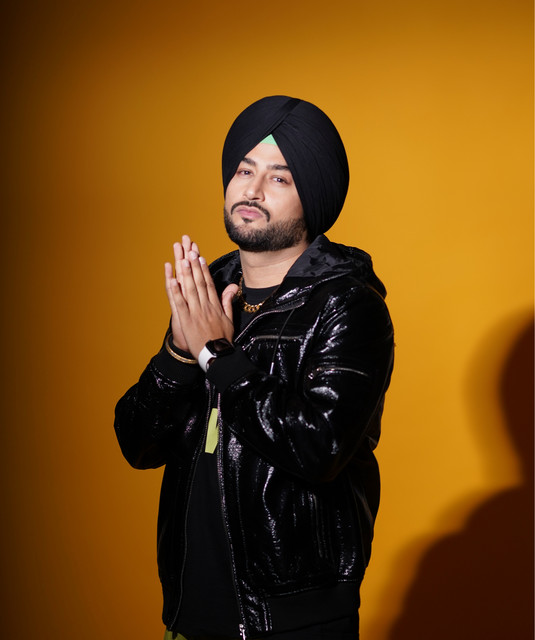
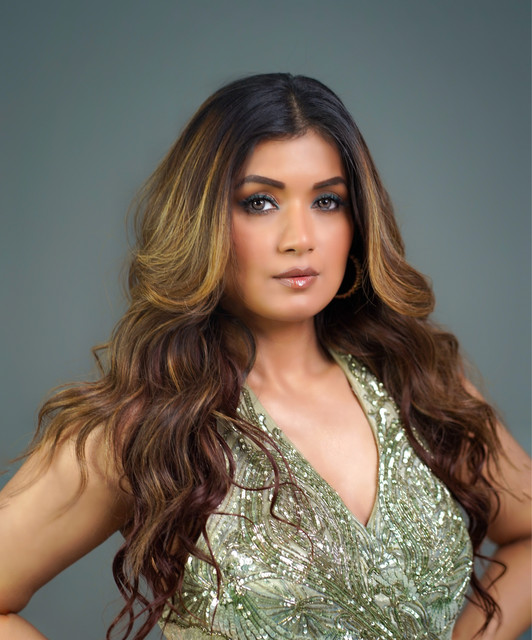
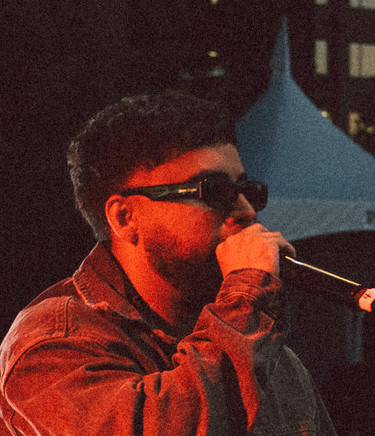
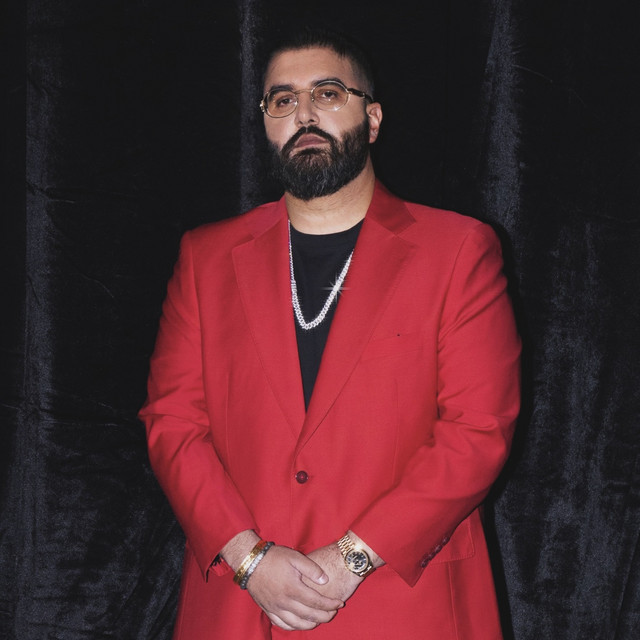
Top Punjabi pop Artists
Showing 25 of 1,164 artists
About Punjabi pop
Punjabi pop is a vibrant, rhythm-forward strand of music that sits at the crossroads of traditional Punjabi folk and contemporary global pop. It blends bhangra percussion, the bright zing of the tumbi, and lush vocal melodies with Western dance-pop, hip-hop, and electronic production. The genre is defined less by a single sound than by a restless synthesis: joyous, infectious grooves built for parties, with lyrics that often reflect love, honor, migration, and pride in Punjabi culture for listeners.
Punjabi pop has roots in the Punjab region, spanning India and Pakistan, with a modern boost from the Indian diaspora in the United Kingdom during the late 20th century. In the 1990s, producers from Britain and Canada began remixing traditional songs for club spaces, introducing improved studio techniques and bilingual lyrics. A watershed moment came with Panjabi MC’s Mundian To Bach Ke (1998), which fused bhangra with hip-hop and sampled Western themes, bringing Punjabi-inspired music to global pop charts and MTV-era visibility. From there, artists refined the sound, balancing rural folk color with glossy studio polish.
Key early voices include Gurdas Maan and Surjit Bindrakhia, who helped popularize Punjabi melodies beyond Punjabi-speaking audiences. The 2000s saw an explosion of artists who would become ambassadors of the genre: Bally Sagoo, who popularized remix culture; Jazzy B and the late-90s/2000s Punjabi pop wave; and later, Diljit Dosanjh, whose charisma and crossover appeal bridged Punjabi cinema and global pop. In the diaspora, Panjabi MC, Apache Indian, and RDB (an influential UK-based collective) expanded the reach of Punjabi pop across Europe and North America. In the last decade, artists like AP Dhillon, Sidhu Moose Wala, and Garry Sandhu have taken the sound worldwide, while rappers and singers such as Honey Singh, Badshah, and Sunny Leone-connected acts brought Punjabi pop into mainstream Hindi-language popularity.
Geographically, Punjabi pop is most popular in India’s Punjab and among the Punjabi-speaking diaspora in the United Kingdom, Canada, the United States, and Australia. It has also found listeners in continental Europe, the Middle East, and East Africa where Punjabi communities maintain strong musical ties. The genre thrives at weddings, clubs, and film soundtracks, and its artists frequently collaborate with Bollywood composers, creating cross-border fusions that keep Punjabi language and imagery alive on global stages.
Musically, Punjabi pop emphasizes melody, rhythm, and danceability—bright synths, crisp percussion, call-and-response chants, and catchy choruses. Lyrically, it often champions celebration, love, and homeland pride, while occasionally addressing migration with wit. If traditional Punjabi folk is the root, Punjabi pop is the branch growing toward new harmonies, inviting enthusiasts to discover a genre that is deeply local and authentically global.
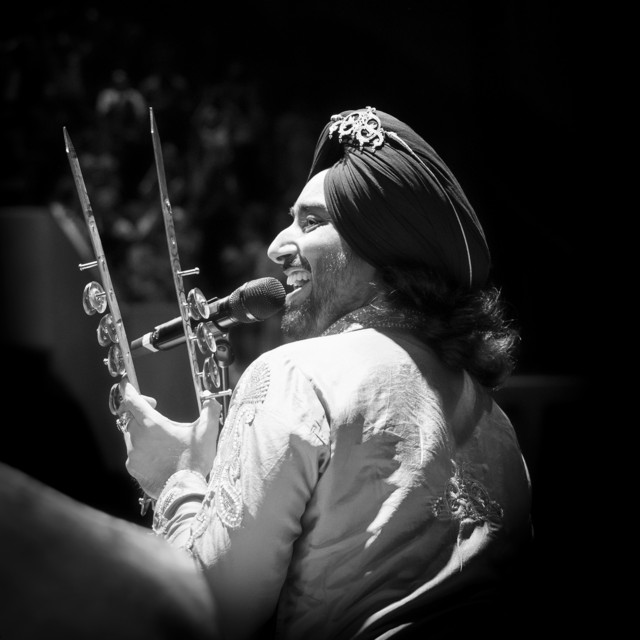
Production in Punjabi pop blends traditional timbres with modern sound design: the punchy dhol, the buzz of the tumbi, and melodic string sections ride beside synth leads, 808 basslines, and EDM build-ups. The result is tempo-friendly, radio-ready, club-friendly. Visuals reinforce a recognizably Punjabi aesthetic, from colorful turbans to rural imagery. In the streaming era, cross-border collaborations—UK-India producers, Canadian artists, American DJs—have accelerated a global audience for Punjabi pop.
Punjabi pop has roots in the Punjab region, spanning India and Pakistan, with a modern boost from the Indian diaspora in the United Kingdom during the late 20th century. In the 1990s, producers from Britain and Canada began remixing traditional songs for club spaces, introducing improved studio techniques and bilingual lyrics. A watershed moment came with Panjabi MC’s Mundian To Bach Ke (1998), which fused bhangra with hip-hop and sampled Western themes, bringing Punjabi-inspired music to global pop charts and MTV-era visibility. From there, artists refined the sound, balancing rural folk color with glossy studio polish.
Key early voices include Gurdas Maan and Surjit Bindrakhia, who helped popularize Punjabi melodies beyond Punjabi-speaking audiences. The 2000s saw an explosion of artists who would become ambassadors of the genre: Bally Sagoo, who popularized remix culture; Jazzy B and the late-90s/2000s Punjabi pop wave; and later, Diljit Dosanjh, whose charisma and crossover appeal bridged Punjabi cinema and global pop. In the diaspora, Panjabi MC, Apache Indian, and RDB (an influential UK-based collective) expanded the reach of Punjabi pop across Europe and North America. In the last decade, artists like AP Dhillon, Sidhu Moose Wala, and Garry Sandhu have taken the sound worldwide, while rappers and singers such as Honey Singh, Badshah, and Sunny Leone-connected acts brought Punjabi pop into mainstream Hindi-language popularity.
Geographically, Punjabi pop is most popular in India’s Punjab and among the Punjabi-speaking diaspora in the United Kingdom, Canada, the United States, and Australia. It has also found listeners in continental Europe, the Middle East, and East Africa where Punjabi communities maintain strong musical ties. The genre thrives at weddings, clubs, and film soundtracks, and its artists frequently collaborate with Bollywood composers, creating cross-border fusions that keep Punjabi language and imagery alive on global stages.
Musically, Punjabi pop emphasizes melody, rhythm, and danceability—bright synths, crisp percussion, call-and-response chants, and catchy choruses. Lyrically, it often champions celebration, love, and homeland pride, while occasionally addressing migration with wit. If traditional Punjabi folk is the root, Punjabi pop is the branch growing toward new harmonies, inviting enthusiasts to discover a genre that is deeply local and authentically global.
Production in Punjabi pop blends traditional timbres with modern sound design: the punchy dhol, the buzz of the tumbi, and melodic string sections ride beside synth leads, 808 basslines, and EDM build-ups. The result is tempo-friendly, radio-ready, club-friendly. Visuals reinforce a recognizably Punjabi aesthetic, from colorful turbans to rural imagery. In the streaming era, cross-border collaborations—UK-India producers, Canadian artists, American DJs—have accelerated a global audience for Punjabi pop.