Genre
punta
Top Punta Artists
Showing 25 of 504 artists














About Punta
Punta is a vibrant Garifuna music and dance tradition that arose on the Caribbean coasts of Central America, primarily in Belize, Guatemala (Livingston area), and Honduras. It is both a musical form and a social dance, rooted in the Garifuna people’s history and language. In recognition of its cultural significance, Garifuna language, dance and music were inscribed by UNESCO as an important intangible heritage, highlighting Punta as a living, evolving art that travels beyond its homeland. Today, Punta exists in two main strands: the traditional, rhythm-driven Punta and the modern, electrified Punta Rock that fuses Caribbean, Afro-Caribbean, and global pop influences.
The origins of Punta are social and ceremonial as much as musical. It developed in Garifuna communities in the late 19th and early 20th centuries, drawing on African, Arawak, and Carib heritage to create a distinct soundscape. The music is built around polyrhythmic drum ensembles and call-and-response vocals. Traditional Punta centers around intimate gatherings, with dancers moving to quick, hip-centered steps that symbolize community resilience and celebration. The Garifuna language often frames the lyrics, though Spanish and other Caribbean languages appear as well, underscoring Punta’s role as a keeper of memory, story, and identity across generations.
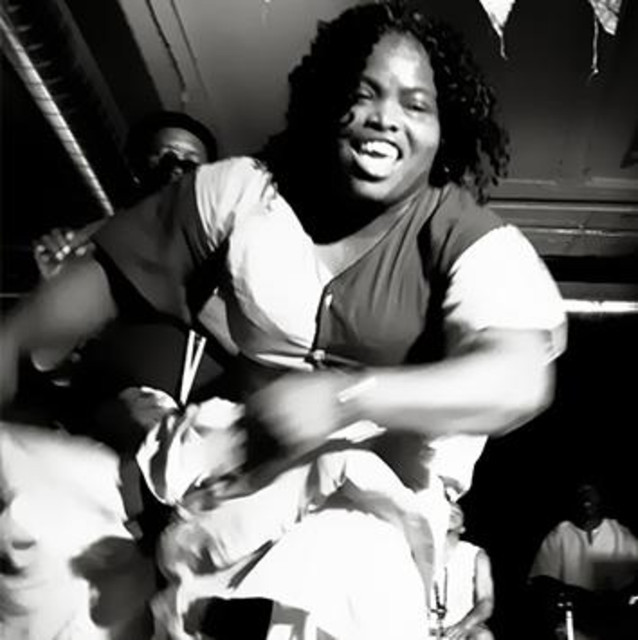
In its traditional form, Punta is percussion-forward and participatory: drummers lead with interlocking patterns, singers volley short, emotive lines, and dancers respond with bold hip shakes and fast footwork, often performed by women as the centerpiece of the performance. Over time, especially from the 1980s onward, Punta evolved into Punta Rock, a louder, guitar- and keyboard-driven incarnation that embraced modern production while preserving the genre’s rhythmic heart. Punta Rock widened its appeal, welcoming diaspora audiences and club scenes without sacrificing the dance-floor energy or the storytelling core of Garifuna life. The fusion has allowed Punta to travel from village lanes to international stages, film soundtracks, and world-music festivals.
Several artists and collectives have become ambassadors of Punta globally. Paul Nabor, Belizean pioneer, is celebrated for his deep-rooted Punta songs and charismatic performances that preserved traditional form while inviting new listeners. Andy Palacio, another Belizean luminary, brought Garifuna culture to a worldwide audience with the critically acclaimed Watina project and his work with the Garifuna Collective, elevating Punta Rock to art-house and festival circuits. Aurelio Martinez, known as “El Rey de la Punta,” blends Garifuna storytelling with contemporary instrumentation, further popularizing the music outside its homeland. Pen Cayetano, part designer, musician, and founder of Punta Rock’s visual and sonic identity, helped formalize the modern Garifuna sound. The Garifuna Collective and the Umalali Garifuna Women’s Choir have also played vital roles in preserving tradition while fostering cross-cultural collaboration.
Punta’s popularity today is strongest in Belize and across Garifuna communities in Honduras, Guatemala, and Nicaragua, with a growing international audience in the United States, Europe, and beyond. For music enthusiasts, Punta offers a compelling sonic blend: drum-centric grooves, soulful vocal exchanges, rich storytelling in Garifuna language, and a dance culture that remains deeply communal. It is a living tradition—historic in roots, contemporary in form, and continually reimagined by artists who honor the past while inviting new listeners into the groove.
The origins of Punta are social and ceremonial as much as musical. It developed in Garifuna communities in the late 19th and early 20th centuries, drawing on African, Arawak, and Carib heritage to create a distinct soundscape. The music is built around polyrhythmic drum ensembles and call-and-response vocals. Traditional Punta centers around intimate gatherings, with dancers moving to quick, hip-centered steps that symbolize community resilience and celebration. The Garifuna language often frames the lyrics, though Spanish and other Caribbean languages appear as well, underscoring Punta’s role as a keeper of memory, story, and identity across generations.
In its traditional form, Punta is percussion-forward and participatory: drummers lead with interlocking patterns, singers volley short, emotive lines, and dancers respond with bold hip shakes and fast footwork, often performed by women as the centerpiece of the performance. Over time, especially from the 1980s onward, Punta evolved into Punta Rock, a louder, guitar- and keyboard-driven incarnation that embraced modern production while preserving the genre’s rhythmic heart. Punta Rock widened its appeal, welcoming diaspora audiences and club scenes without sacrificing the dance-floor energy or the storytelling core of Garifuna life. The fusion has allowed Punta to travel from village lanes to international stages, film soundtracks, and world-music festivals.
Several artists and collectives have become ambassadors of Punta globally. Paul Nabor, Belizean pioneer, is celebrated for his deep-rooted Punta songs and charismatic performances that preserved traditional form while inviting new listeners. Andy Palacio, another Belizean luminary, brought Garifuna culture to a worldwide audience with the critically acclaimed Watina project and his work with the Garifuna Collective, elevating Punta Rock to art-house and festival circuits. Aurelio Martinez, known as “El Rey de la Punta,” blends Garifuna storytelling with contemporary instrumentation, further popularizing the music outside its homeland. Pen Cayetano, part designer, musician, and founder of Punta Rock’s visual and sonic identity, helped formalize the modern Garifuna sound. The Garifuna Collective and the Umalali Garifuna Women’s Choir have also played vital roles in preserving tradition while fostering cross-cultural collaboration.
Punta’s popularity today is strongest in Belize and across Garifuna communities in Honduras, Guatemala, and Nicaragua, with a growing international audience in the United States, Europe, and beyond. For music enthusiasts, Punta offers a compelling sonic blend: drum-centric grooves, soulful vocal exchanges, rich storytelling in Garifuna language, and a dance culture that remains deeply communal. It is a living tradition—historic in roots, contemporary in form, and continually reimagined by artists who honor the past while inviting new listeners into the groove.