Genre
queens hip hop
Top Queens hip hop Artists
Showing 16 of 16 artists




About Queens hip hop
Queens hip hop is the sound of New York’s Queens borough crystallized into rhyme, rhythm, and restless storytelling. Born in the late 1970s and flowering through the 1980s, it grew from the same city-wide party culture that birthed hip hop, but it quickly carved its own distinct identity. Queens offered two powerful engines: the raw energy of the neighborhoods and the sharp, habitual presence of gifted MCs who could paint vivid streetscapes with words. The Queensbridge and Hollis scenes became legendary incubators, where DJs, producers, and emcees pushed the art form toward more intricate lyricism and layered, street-level realism.
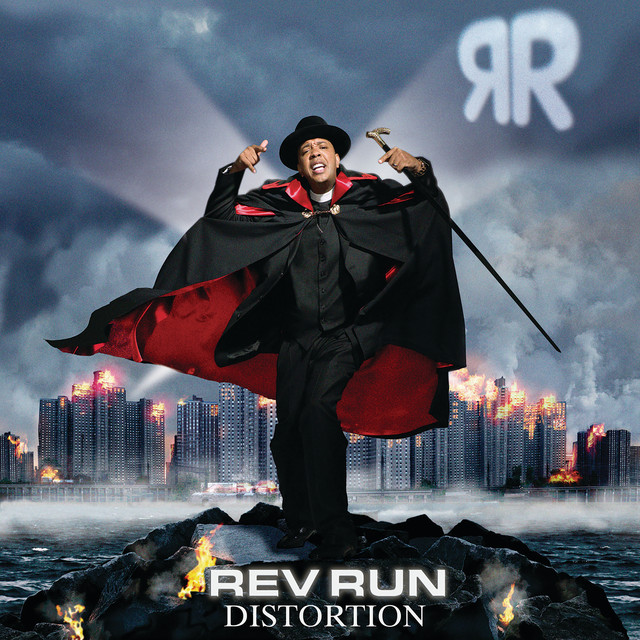
Key figures set the template. Run-DMC, with Hollis roots, helped bring hip hop into the mainstream in the mid-80s, pairing brisk, punchy rhymes with rock-tinged beats. LL Cool J, emerging from Queens Village, fused street grit with accessible charisma, evolving from hard-hitting tracks to enduring anthems like Mama Said Knock You Out. The late-86 to early-90s era saw Queens’ most enduring contributions in the form of Nas and Mobb Deep, two acts from Queensbridge that defined a later wave of grit-drenched storytelling. Nas’s Illmatic (1994) is consistently ranked among hip hop’s greatest albums, a cinematic, lyric-forward portrait of life in Queens that set new standards for introspection and craft. Mobb Deep’s The Infamous (1995) offered a stark, cinematic vision of street life, pairing Havoc’s bruising production with Prodigy’s hard-edged narration. The era also spotlighted the jazz-inflected, consciously curated approach of A Tribe Called Quest, whose Hollis roots helped fuse soulful sampling with thoughtful social commentary in a way that broadened the genre’s horizons.
Production from Queens during the Golden Age also mattered. Marley Marl, the marquee producer behind many early Queens hits, popularized advanced sampling techniques and dense loops, shaping the sonic backbone of the borough’s sound. The result was a sound that could ride from gritty street narratives to more reflective, lyrically ambitious tracks, all anchored by strong New York cadence and wit.
Ambassadors of the genre stretch beyond a single track or era. Nas remains a lodestar for storytelling mastery; LL Cool J helped pave the way for crossover appeal; Run-DMC helped open doors to mainstream pairing of hip hop with rock influences; A Tribe Called Quest represented the more musically exploratory, jazz-tinged side of Queens’ contribution. In modern continuity, Queens has continued to feed hip hop’s global imagination with artists who carry that blend of concrete realism, technical skill, and emotional candor—while a new generation keeps evolving the sound.
Global footprint and popularity: while Queens hip hop is uniquely rooted in New York City’s history, its influence travels far. In the United States, it maintains a strong presence in the Northeast and across urban centers. Internationally, it resonates in the United Kingdom, France, Germany, Japan, Canada, and beyond, where fans gravitate toward its vivid storytelling, punchy delivery, and confident production sensibilities. Streaming and touring have turned Queens’ narratives into worldwide conversations, bridging neighborhoods and continents.
In short, Queens hip hop is a living archive of street poetry, hard-hitting beats, and innovative production that has continually shaped the syntax of modern rap while feeding global audiences with a distinctly New York voice.
Key figures set the template. Run-DMC, with Hollis roots, helped bring hip hop into the mainstream in the mid-80s, pairing brisk, punchy rhymes with rock-tinged beats. LL Cool J, emerging from Queens Village, fused street grit with accessible charisma, evolving from hard-hitting tracks to enduring anthems like Mama Said Knock You Out. The late-86 to early-90s era saw Queens’ most enduring contributions in the form of Nas and Mobb Deep, two acts from Queensbridge that defined a later wave of grit-drenched storytelling. Nas’s Illmatic (1994) is consistently ranked among hip hop’s greatest albums, a cinematic, lyric-forward portrait of life in Queens that set new standards for introspection and craft. Mobb Deep’s The Infamous (1995) offered a stark, cinematic vision of street life, pairing Havoc’s bruising production with Prodigy’s hard-edged narration. The era also spotlighted the jazz-inflected, consciously curated approach of A Tribe Called Quest, whose Hollis roots helped fuse soulful sampling with thoughtful social commentary in a way that broadened the genre’s horizons.
Production from Queens during the Golden Age also mattered. Marley Marl, the marquee producer behind many early Queens hits, popularized advanced sampling techniques and dense loops, shaping the sonic backbone of the borough’s sound. The result was a sound that could ride from gritty street narratives to more reflective, lyrically ambitious tracks, all anchored by strong New York cadence and wit.
Ambassadors of the genre stretch beyond a single track or era. Nas remains a lodestar for storytelling mastery; LL Cool J helped pave the way for crossover appeal; Run-DMC helped open doors to mainstream pairing of hip hop with rock influences; A Tribe Called Quest represented the more musically exploratory, jazz-tinged side of Queens’ contribution. In modern continuity, Queens has continued to feed hip hop’s global imagination with artists who carry that blend of concrete realism, technical skill, and emotional candor—while a new generation keeps evolving the sound.
Global footprint and popularity: while Queens hip hop is uniquely rooted in New York City’s history, its influence travels far. In the United States, it maintains a strong presence in the Northeast and across urban centers. Internationally, it resonates in the United Kingdom, France, Germany, Japan, Canada, and beyond, where fans gravitate toward its vivid storytelling, punchy delivery, and confident production sensibilities. Streaming and touring have turned Queens’ narratives into worldwide conversations, bridging neighborhoods and continents.
In short, Queens hip hop is a living archive of street poetry, hard-hitting beats, and innovative production that has continually shaped the syntax of modern rap while feeding global audiences with a distinctly New York voice.