Genre
rock dominicano
Top Rock dominicano Artists
Showing 11 of 11 artists

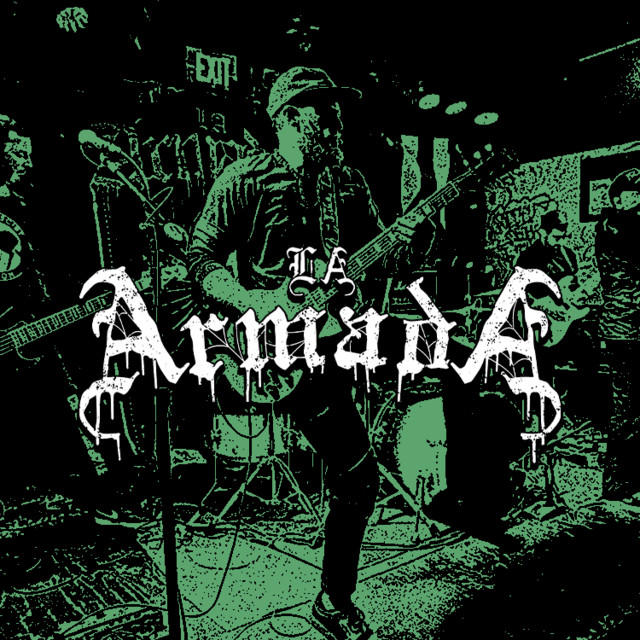


About Rock dominicano
Rock dominicano is the Dominican Republic’s own take on the rock idiom—a swollen, restless sound that grew from the island’s urban centers, street corners, and college radios, while absorbing Caribbean grooves, Spanish-language lyricism, and the restless energy of global rock scenes. It’s not a single, fixed style, but a spectrum: from post-punk and indie textures to harder-edged alt-rock and tasteful fusions with reggae, ska, and even merengue-inflected rhythms. The result is a music that sounds distinctly Dominican, even as it speaks the universal language of guitars, drums, and chorus hooks.
Origins trace back to the late 1960s and 1970s, when Dominican youths began discovering rock through foreign records, radio programs, and the increasing flow of popular music from the United States and Europe. In the following decades, local bands formed in Santo Domingo, Santiago, and other urban centers, writing in Spanish and experimenting with sonority beyond mere imitation. By the 1980s and into the 1990s, a more cohesive scene emerged: independent bands, underground gigs, and radio shows helped knit a national identity around original material rather than cover sets. This era established rock dominicano as a vehicle for creative expression and social commentary, with lyrics that often reflected urban life, dreams, disillusionment, and aspiration.
One figure that stands as a lighthouse for the genre is Toque Profundo. Widely regarded as an ambassador of Dominican rock, Toque Profundo helped bring a serious, era-defining sound to audiences inside the Dominican Republic and among the diaspora. Their work bridged the intimate, personal songwriting typical of rock en español with a distinctly Caribbean rhythmic sensibility and a DIY ethic that inspired younger bands to write and record their own material. The band’s persistence across the 1990s and beyond helped anchor rock dominicano as a credible, ongoing movement rather than a fleeting trend.
Beyond Toque Profundo, the Dominican scene has produced a range of acts that experiment with form—some leaning toward darker, guitar-driven atmospheres; others embracing punchy, fast tempos; many mixing in reggae- and ska-flavored grooves or more melodic, radio-friendly characteristics. The genre has thrived in urban hubs and has benefited from the country’s rich musical heritage, which sometimes seeps into arrangements as a source of rhythmic vitality and melodic hooks. In short, Dominican rock often sounds both urban and Caribbean, intimate and expansive, earnest and rebellious.
Geographically, the core of rock dominicano remains the Dominican Republic, with a robust subsequent presence among Dominican communities abroad—especially in the United States, in cities with large Dominican populations such as New York, Boston, and parts of Florida and New Jersey. Spain and other Latin markets have also shown receptive audiences for Dominican rock acts touring or releasing material in Spanish. The genre’s popularity outside the homeland tends to be strongest among diasporic listeners who seek music that reflects their heritage and the shared experience of living between worlds.
For enthusiasts, rock dominicano offers a compelling lens on contemporary Dominican life: a blend of rugged honesty, cultural hybridity, and a persistent urge to create, connect, and evolve. It’s a music that invites discovery—bands, venues, and records continuously expanding the map of what Dominican rock can be.
Origins trace back to the late 1960s and 1970s, when Dominican youths began discovering rock through foreign records, radio programs, and the increasing flow of popular music from the United States and Europe. In the following decades, local bands formed in Santo Domingo, Santiago, and other urban centers, writing in Spanish and experimenting with sonority beyond mere imitation. By the 1980s and into the 1990s, a more cohesive scene emerged: independent bands, underground gigs, and radio shows helped knit a national identity around original material rather than cover sets. This era established rock dominicano as a vehicle for creative expression and social commentary, with lyrics that often reflected urban life, dreams, disillusionment, and aspiration.
One figure that stands as a lighthouse for the genre is Toque Profundo. Widely regarded as an ambassador of Dominican rock, Toque Profundo helped bring a serious, era-defining sound to audiences inside the Dominican Republic and among the diaspora. Their work bridged the intimate, personal songwriting typical of rock en español with a distinctly Caribbean rhythmic sensibility and a DIY ethic that inspired younger bands to write and record their own material. The band’s persistence across the 1990s and beyond helped anchor rock dominicano as a credible, ongoing movement rather than a fleeting trend.
Beyond Toque Profundo, the Dominican scene has produced a range of acts that experiment with form—some leaning toward darker, guitar-driven atmospheres; others embracing punchy, fast tempos; many mixing in reggae- and ska-flavored grooves or more melodic, radio-friendly characteristics. The genre has thrived in urban hubs and has benefited from the country’s rich musical heritage, which sometimes seeps into arrangements as a source of rhythmic vitality and melodic hooks. In short, Dominican rock often sounds both urban and Caribbean, intimate and expansive, earnest and rebellious.
Geographically, the core of rock dominicano remains the Dominican Republic, with a robust subsequent presence among Dominican communities abroad—especially in the United States, in cities with large Dominican populations such as New York, Boston, and parts of Florida and New Jersey. Spain and other Latin markets have also shown receptive audiences for Dominican rock acts touring or releasing material in Spanish. The genre’s popularity outside the homeland tends to be strongest among diasporic listeners who seek music that reflects their heritage and the shared experience of living between worlds.
For enthusiasts, rock dominicano offers a compelling lens on contemporary Dominican life: a blend of rugged honesty, cultural hybridity, and a persistent urge to create, connect, and evolve. It’s a music that invites discovery—bands, venues, and records continuously expanding the map of what Dominican rock can be.