Genre
rajasthani pop
Top Rajasthani pop Artists
Showing 22 of 22 artists






About Rajasthani pop
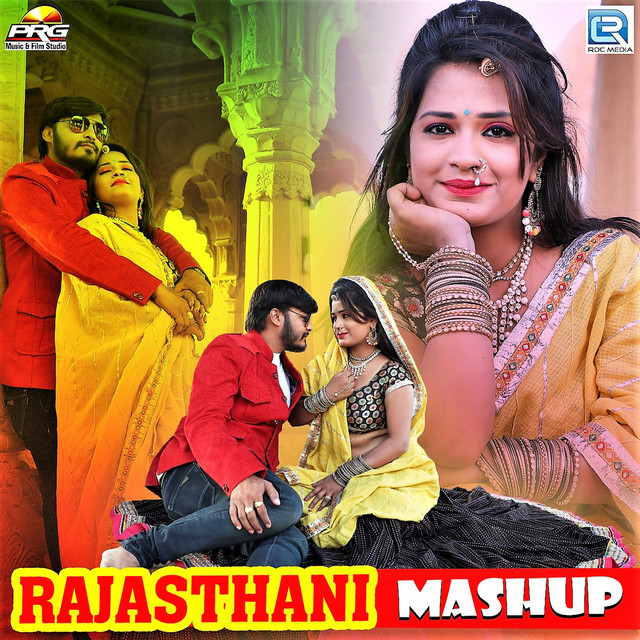
Rajasthani pop is a vibrant fusion genre that sits at the crossroads of Rajasthan’s ancient folk traditions and contemporary global pop. It arose in the late 20th century as producers, singers, and dancers began blending the desert state’s distinctive sounds with modern rhythms, electronic textures, and accessible song structures. The result is music that feels both rooted in place and inviting to global ears: sunlit, danceable, and emotionally direct.
Historically, Rajasthan’s musical landscape runs on powerful vocal styles, desert imagery, and a kaleidoscope of regional forms. Folk forms such as Maand, popular in the desert and royal circuits, along with the exuberant dances of Ghoomar and the fast, intricate rhythms of Kalbeliya performances, provided a rich sonic vocabulary. The birth of Rajasthani pop was less about abandoning tradition than about expanding it: traditional modes were kept alive, but reimagined with pop hooks, drum machines, electric guitars, and contemporary production. The movement gained traction as regional artistes sought higher visibility beyond village concerts and festival stages, and as Indian pop and world-music circuits embraced regional voices with authenticity and energy.
Key ambassadors of the genre helped shape its public face. Ila Arun is widely regarded as one of its pioneers: a forceful vocalist whose work in the late 1980s and 1990s popularized Rajasthani motifs in a format accessible to cinema audiences and mainstream listeners. Her performances blend earthy storytelling with punchy rhythms, bridging folk expression and urban sound. Another prominent name associated with Rajasthani pop is Mame Khan, a celebrated voice from Rajasthan whose collaborations across fusion projects helped bring the regional sound into broader collaborations and live-stage acts. Together, these artists opened pathways for younger singers and bands who continue to mine Rajasthan’s sonic lexicon while experimenting with contemporary pop, hip-hop, and electronic textures.
Geographically, Rajasthani pop is strongest in Rajasthan and other parts of India where folk traditions remain vital. It has also found an international audience among diaspora communities in the United Kingdom, United States, Canada, United Arab Emirates, and Australia, where world-music and regional-pop scenes intersect. The genre has benefited from digital distribution, festival lineups, and cross-genre collaborations, which allow it to travel beyond club playlists and regional radio into global playlists and concert stages.
Musically, Rajasthani pop often features a distinctive blend: the cadence of Indian folk singing, robust percussion (dhol,been, khartal), and melodic hooks delivered through modern arrangements. Expect a groove-forward energy, call-and-response vocal textures, and lyrics steeped in desert imagery, romance, and nomadic life. Production tends to juxtapose traditional timbres with synths, basslines, and contemporary drums, making the music catchy yet infused with the soul of Rajasthan.
For the curious listener, Rajasthani pop offers a doorway into a regional universe that remains intensely personal and widely universal at once. It is music of celebration and storytelling, of caravan rhythms meeting club tempos, and of a heritage being continuously reimagined for the global stage. If you seek tracks that honor tradition while chasing modern immediacy, Rajasthani pop is a compelling, endlessly evolving destination.
Historically, Rajasthan’s musical landscape runs on powerful vocal styles, desert imagery, and a kaleidoscope of regional forms. Folk forms such as Maand, popular in the desert and royal circuits, along with the exuberant dances of Ghoomar and the fast, intricate rhythms of Kalbeliya performances, provided a rich sonic vocabulary. The birth of Rajasthani pop was less about abandoning tradition than about expanding it: traditional modes were kept alive, but reimagined with pop hooks, drum machines, electric guitars, and contemporary production. The movement gained traction as regional artistes sought higher visibility beyond village concerts and festival stages, and as Indian pop and world-music circuits embraced regional voices with authenticity and energy.
Key ambassadors of the genre helped shape its public face. Ila Arun is widely regarded as one of its pioneers: a forceful vocalist whose work in the late 1980s and 1990s popularized Rajasthani motifs in a format accessible to cinema audiences and mainstream listeners. Her performances blend earthy storytelling with punchy rhythms, bridging folk expression and urban sound. Another prominent name associated with Rajasthani pop is Mame Khan, a celebrated voice from Rajasthan whose collaborations across fusion projects helped bring the regional sound into broader collaborations and live-stage acts. Together, these artists opened pathways for younger singers and bands who continue to mine Rajasthan’s sonic lexicon while experimenting with contemporary pop, hip-hop, and electronic textures.
Geographically, Rajasthani pop is strongest in Rajasthan and other parts of India where folk traditions remain vital. It has also found an international audience among diaspora communities in the United Kingdom, United States, Canada, United Arab Emirates, and Australia, where world-music and regional-pop scenes intersect. The genre has benefited from digital distribution, festival lineups, and cross-genre collaborations, which allow it to travel beyond club playlists and regional radio into global playlists and concert stages.
Musically, Rajasthani pop often features a distinctive blend: the cadence of Indian folk singing, robust percussion (dhol,been, khartal), and melodic hooks delivered through modern arrangements. Expect a groove-forward energy, call-and-response vocal textures, and lyrics steeped in desert imagery, romance, and nomadic life. Production tends to juxtapose traditional timbres with synths, basslines, and contemporary drums, making the music catchy yet infused with the soul of Rajasthan.
For the curious listener, Rajasthani pop offers a doorway into a regional universe that remains intensely personal and widely universal at once. It is music of celebration and storytelling, of caravan rhythms meeting club tempos, and of a heritage being continuously reimagined for the global stage. If you seek tracks that honor tradition while chasing modern immediacy, Rajasthani pop is a compelling, endlessly evolving destination.