Genre
ramonescore
Top Ramonescore Artists
Showing 8 of 8 artists



About Ramonescore
Ramonescore is a lean, high-velocity flavor of punk rock that borrows its DNA from the Ramones’ 60s-70s shorthand—three-chord riffs, turbo-charged tempos, and shout-along melodies—then folds in the immediacy of indie pop and the scrappy energy of garage rock. It’s not about polish; it’s about propulsion, crowd energy, and pop hooks served with a punk heartbeat. Tracks are typically short, built for quick punch-ins rather than sweeping epics, and the vocals lean toward urgency and humor, often delivered with a nasal bite and a smile. The result is a sound that feels both retro and refreshingly immediate, like a fast-forward button pressed on a familiar, much-loved cassette.
Born in the early 2000s out of DIY scenes across North America and Western Europe, ramonescore emerged from the same impulse that kept punk’s spirit alive in the post–millennium era: make music fast, loud, and accessible. Zines, indie labels, and online forums helped codify a shared vocabulary—short runtimes, big choruses, and a readiness to throw a party in a basement while the world outside seems uncertain. While the Ramones remain the genre’s archetype, ramonescore’s developmental arc is defined by a generation that heard a 90-second anthem and immediately wanted ten more like it. By the 2010s, the term had started circulating more widely in underground press and festival lineups, solidifying into a recognizable subgenre rather than a single band’s vibe.
In terms of sonic character, ramonescore sits at a crossover crossroads. It honors the Ramones’ economy—three to four chords, a brisk tempo, direct melodies—but eight or nine songs can fit in the same runtime as a single epic. Guitars stay fuzzed and forward, drums lock into a pogo-friendly march, and bass serves the rhythm with a melodic undercurrent. Vocals are often shouted or sneered with a wink, delivering clever, self-deprecating, or streetwise lyrics that celebrate youth, mischief, and resilience. Production tends toward the lo-fi end of the spectrum on purpose: there’s charm in a live-room hiss, in a guitar amp’s crackle, in a snare that sounds like it’s been used for years. It’s the aural equivalent of a slam-dunk chorus—immediate, infectious, and impossible to forget.
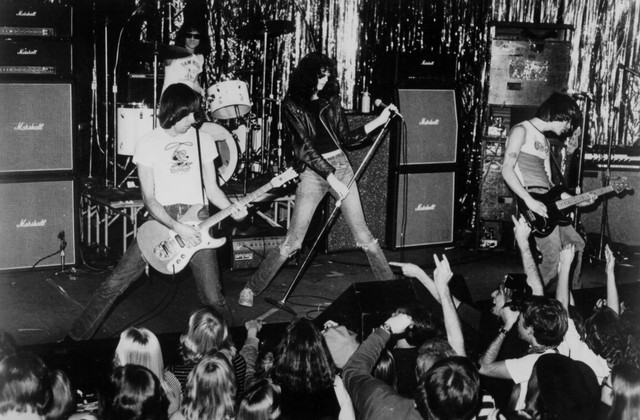
Live shows are the lifeblood of the scene: sweaty basements, cramped clubs, and packed DIY venues where pit and pogo-dance are rituals. Festivals with ramonescore lineups emphasize speed, accessibility, and a sense of communal celebration—music that invites everyone to sing along, jump, and trade energy with the band. The culture around ramonescore also values accessible distribution—cassette runs, vinyl reissues, and digital EPs that keep the music moving without the gatekeeping that can throttle harder-to-digest genres.
Ambassadors and key acts are spread globally, with strong pockets in the United States and United Kingdom, plus vibrant scenes in Japan, Germany, Brazil, and Spain. Notable torchbearers—both historical and contemporary—include early adopters who pushed the sound’s limits and newer bands who fuse ramonescore with regional flavors and experimental edges. In practice, ramonescore thrives where punk’s do-it-yourself ethos and pop’s hook-driven immediacy meet a community hungry for songs that feel like a sprint you can run with friends. If you crave speed, punch, and anthemic chorus after chorus, ramonescore delivers with a wink.
Born in the early 2000s out of DIY scenes across North America and Western Europe, ramonescore emerged from the same impulse that kept punk’s spirit alive in the post–millennium era: make music fast, loud, and accessible. Zines, indie labels, and online forums helped codify a shared vocabulary—short runtimes, big choruses, and a readiness to throw a party in a basement while the world outside seems uncertain. While the Ramones remain the genre’s archetype, ramonescore’s developmental arc is defined by a generation that heard a 90-second anthem and immediately wanted ten more like it. By the 2010s, the term had started circulating more widely in underground press and festival lineups, solidifying into a recognizable subgenre rather than a single band’s vibe.
In terms of sonic character, ramonescore sits at a crossover crossroads. It honors the Ramones’ economy—three to four chords, a brisk tempo, direct melodies—but eight or nine songs can fit in the same runtime as a single epic. Guitars stay fuzzed and forward, drums lock into a pogo-friendly march, and bass serves the rhythm with a melodic undercurrent. Vocals are often shouted or sneered with a wink, delivering clever, self-deprecating, or streetwise lyrics that celebrate youth, mischief, and resilience. Production tends toward the lo-fi end of the spectrum on purpose: there’s charm in a live-room hiss, in a guitar amp’s crackle, in a snare that sounds like it’s been used for years. It’s the aural equivalent of a slam-dunk chorus—immediate, infectious, and impossible to forget.
Live shows are the lifeblood of the scene: sweaty basements, cramped clubs, and packed DIY venues where pit and pogo-dance are rituals. Festivals with ramonescore lineups emphasize speed, accessibility, and a sense of communal celebration—music that invites everyone to sing along, jump, and trade energy with the band. The culture around ramonescore also values accessible distribution—cassette runs, vinyl reissues, and digital EPs that keep the music moving without the gatekeeping that can throttle harder-to-digest genres.
Ambassadors and key acts are spread globally, with strong pockets in the United States and United Kingdom, plus vibrant scenes in Japan, Germany, Brazil, and Spain. Notable torchbearers—both historical and contemporary—include early adopters who pushed the sound’s limits and newer bands who fuse ramonescore with regional flavors and experimental edges. In practice, ramonescore thrives where punk’s do-it-yourself ethos and pop’s hook-driven immediacy meet a community hungry for songs that feel like a sprint you can run with friends. If you crave speed, punch, and anthemic chorus after chorus, ramonescore delivers with a wink.