Genre
rap baiano
Top Rap baiano Artists
Showing 22 of 22 artists
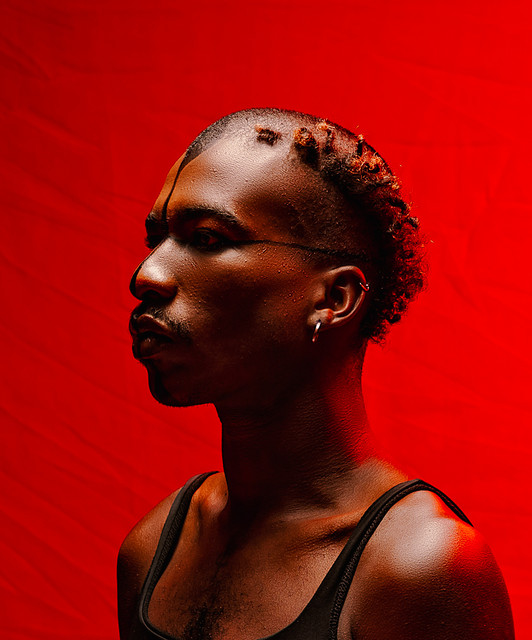


About Rap baiano
Rap baiano is a vibrant branch of Brazilian hip-hop born in Bahia, with Salvador at its heart. It arises from the same urban energy that powered national rap scenes in the 1990s and early 2000s, but it quickly developed a distinct Bahian flavor: a tight dialogue with Afro-Brazilian rhythms, street poetry, and a sense of social witness that is unmistakably “Bahia.” The scene grew from neighborhood MC battles, local labels, and live performances that fused the city’s percussion tradition with rhymes about daily life, inequality, and resilience.
One of the genre’s defining features is its sonic conversation with samba-reggae and other Afro-Brazilian rhythms long popular in Bahia. The percussion-heavy, bass-forward production often incorporates live drums, sample articulation, and a call-and-response energy that mirrors the massed choruses of Olodum and other Bahian ensembles. This rhythmic bedrock gives rap baiano a danceable immediacy while keeping the lyrical core intimate and pointed. Lyrically, artists address dignity, identity, race, police violence, and the complexities of urban life in Salvador and the wider Northeast, frequently weaving in regional expressions, slang, and religious imagery drawn from Candomblé and other Afro-Brazilian practices.
Historically, rap baiano took shape as part of Brazil’s broader hip-hop expansion but carved out its own identity through Bahia’s unique cultural texture and urban realities. The late 1990s and 2000s saw local crews and independent MCs building scenes in Salvador, Barreiro, and other bairros, gradually connecting with national audiences. The result is a genre that feels at once personal and collective, anchored in the city’s streets yet resonant with listeners across Brazil.
In terms of ambassadors and pivotal voices, Baco Exu do Blues stands out as a global flagship from Salvador. He rose to prominence in the 2010s by blending hip-hop with Afro-Brazilian mysticism, poetic refrains, and sharp social commentary, becoming one of the most recognizable faces of contemporary Bahian rap. Another major pillar is BaianaSystem, a collective and project that, while not strictly a rap group, channels the same Bahia-wide urban current—melding electronic music, samba-reggae rhythms, and powerful live performance to push the frontier of Bahia’s modern sound. These artists, among others, helped bring attention to the way Bahia’s urban life can be translated into urgent, contemporary rap.
Rap baiano enjoys the strongest following in Brazil, especially in Bahia and the Northeast, where the cultural and linguistic ties run deepest. It also attracts international listeners through streaming platforms, festival stages, and cross-cultural collaborations, attracting curious audiences in Portugal and other Portuguese-speaking markets, as well as fans of global hip-hop who are drawn to its rhythmic fusion and expressive storytelling.
If you’re exploring the genre, listen for the blend of heavy bass, traditional Bahian percussion, and rapped storytelling that marks rap baiano. It’s a sound that invites you to ride the groove while paying attention to the words—the social pulse of Bahia translated into rhyme.
One of the genre’s defining features is its sonic conversation with samba-reggae and other Afro-Brazilian rhythms long popular in Bahia. The percussion-heavy, bass-forward production often incorporates live drums, sample articulation, and a call-and-response energy that mirrors the massed choruses of Olodum and other Bahian ensembles. This rhythmic bedrock gives rap baiano a danceable immediacy while keeping the lyrical core intimate and pointed. Lyrically, artists address dignity, identity, race, police violence, and the complexities of urban life in Salvador and the wider Northeast, frequently weaving in regional expressions, slang, and religious imagery drawn from Candomblé and other Afro-Brazilian practices.
Historically, rap baiano took shape as part of Brazil’s broader hip-hop expansion but carved out its own identity through Bahia’s unique cultural texture and urban realities. The late 1990s and 2000s saw local crews and independent MCs building scenes in Salvador, Barreiro, and other bairros, gradually connecting with national audiences. The result is a genre that feels at once personal and collective, anchored in the city’s streets yet resonant with listeners across Brazil.
In terms of ambassadors and pivotal voices, Baco Exu do Blues stands out as a global flagship from Salvador. He rose to prominence in the 2010s by blending hip-hop with Afro-Brazilian mysticism, poetic refrains, and sharp social commentary, becoming one of the most recognizable faces of contemporary Bahian rap. Another major pillar is BaianaSystem, a collective and project that, while not strictly a rap group, channels the same Bahia-wide urban current—melding electronic music, samba-reggae rhythms, and powerful live performance to push the frontier of Bahia’s modern sound. These artists, among others, helped bring attention to the way Bahia’s urban life can be translated into urgent, contemporary rap.
Rap baiano enjoys the strongest following in Brazil, especially in Bahia and the Northeast, where the cultural and linguistic ties run deepest. It also attracts international listeners through streaming platforms, festival stages, and cross-cultural collaborations, attracting curious audiences in Portugal and other Portuguese-speaking markets, as well as fans of global hip-hop who are drawn to its rhythmic fusion and expressive storytelling.
If you’re exploring the genre, listen for the blend of heavy bass, traditional Bahian percussion, and rapped storytelling that marks rap baiano. It’s a sound that invites you to ride the groove while paying attention to the words—the social pulse of Bahia translated into rhyme.