Genre
rap de anime
Top Rap de anime Artists
Showing 25 of 68 artists










About Rap de anime
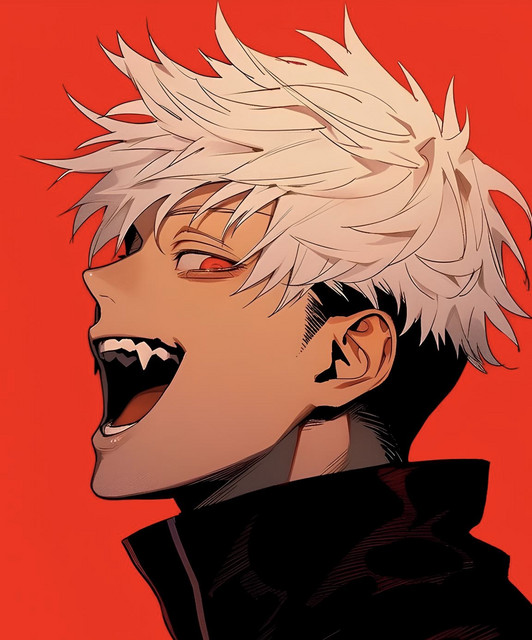
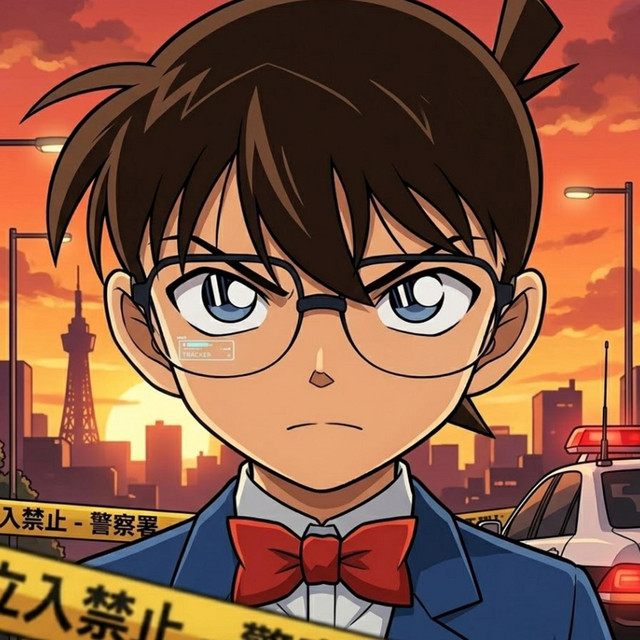
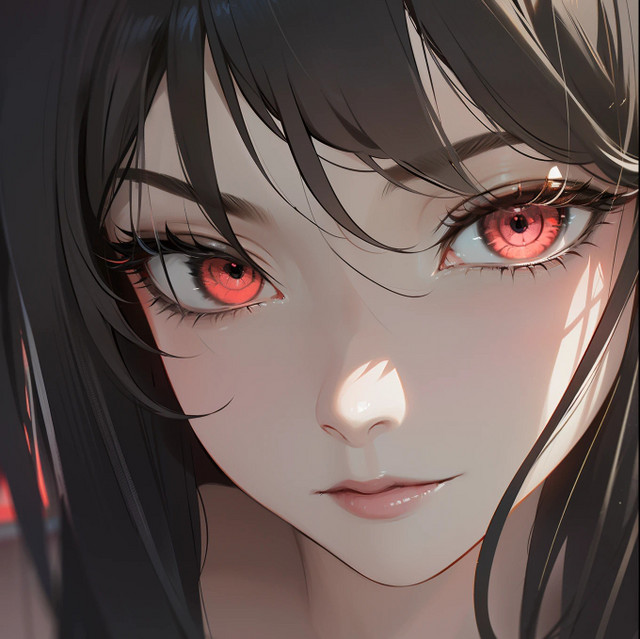
Rap de anime is a niche fusion that sits at the crossroads of hip-hop storytelling and anime fandom. It’s less a rigid subgenre with a fixed canon and more a cultural current — a way for fans to blend rapped verses, rapid-fire wordplay, and the vivid imagery, themes and characters that come from anime. The result is music that can feel as much like a battle scene from a shonen arc as it does like a late-night flow session in a studio.
Origins and how it emerged
The impulse behind rap de anime grew from the broader convergence of hip-hop with geek and otaku culture. It didn’t spring from a single moment or city; instead, it coalesced over the late 1990s and 2000s as online communities for anime fans and for rap enthusiasts began to overlap. Platforms such as YouTube, SoundCloud and Bandcamp made it possible for independent artists to publish anime-tinged rap without major label support, enabling a transnational, fan-driven scene. In effect, it’s part of the wider nerdcore ecosystem, which emphasizes geek culture, gaming, comics and anime as lyrical fuel and aesthetic.
Sound, style and production
Musically, rap de anime favors energetic flows, punchy wordplay, and metaphor-rich storytelling. Rappers may reference iconic anime moments, character archetypes, power-ups, boss battles and arc-driven narratives, weaving them into original verses or remixes. Production often blends traditional boom-bap or trap textures with samples or interpolations from anime soundtracks, J-pop, and video game music, creating a sound palette that feels fast, cinematic and slightly otherworldly. Some tracks lean into playful, meme-like humor; others pursue dramatic, heroic or introspective tones. Lyrically, you’ll hear battles, quests, and personal growth framed through anime’s storytelling lens, sometimes in multiple languages or with dense cultural nods that reward knowledgeable listeners.
Cultural context and audience
Rap de anime appeals to a global audience of anime enthusiasts who also love hip-hop’s rhythm and rhyme. It thrives online, where creator communities share videos, remixes and lyric explanations, and where collabs across borders are common. The genre’s appeal often resides in accessibility: a DIY ethos, the ability to craft a compelling arc in a few minutes of rap, and the chance to celebrate favorite shows, characters and moments through music. It resonates particularly with younger listeners who grew up with streaming culture, subtitles and fan subcultures, but it also draws older fans who have tracked both hip-hop and anime through the decades.
Ambassadors, influence and geography
As a relatively recent and fluid scene, rap de anime doesn’t have a single, universally recognized roster of “founders.” Its spirit is carried by independent artists who remix, sample and rap about anime lore, posted across YouTube channels, streaming playlists and live sets at conventions and small venues. In the broader kinship of nerd culture, early nerdcore pioneers such as MC Frontalot and Mega Ran are often cited as influential predecessors for music that centers geeky themes, including anime. Beyond them, the movement flourishes in Japan’s own anime and hip-hop ecosystems and in Latin America, Europe and North America, where enthusiastic fan bases translate favorite anime moments into rap verses and vice versa.
In short, rap de anime is a living, evolving dialogue between two powerful art forms. It invites listeners to hear familiar anime motifs recast as flowing, rhythmic storytelling, creating a soundscape that feels like a collaboration between a battle rap and a legendary anime montage. If you’re curious, explore platforms where indie artists publish anime-themed rap and you’ll hear the genre’s multilingual, multimedia spirit in full bloom.
Origins and how it emerged
The impulse behind rap de anime grew from the broader convergence of hip-hop with geek and otaku culture. It didn’t spring from a single moment or city; instead, it coalesced over the late 1990s and 2000s as online communities for anime fans and for rap enthusiasts began to overlap. Platforms such as YouTube, SoundCloud and Bandcamp made it possible for independent artists to publish anime-tinged rap without major label support, enabling a transnational, fan-driven scene. In effect, it’s part of the wider nerdcore ecosystem, which emphasizes geek culture, gaming, comics and anime as lyrical fuel and aesthetic.
Sound, style and production
Musically, rap de anime favors energetic flows, punchy wordplay, and metaphor-rich storytelling. Rappers may reference iconic anime moments, character archetypes, power-ups, boss battles and arc-driven narratives, weaving them into original verses or remixes. Production often blends traditional boom-bap or trap textures with samples or interpolations from anime soundtracks, J-pop, and video game music, creating a sound palette that feels fast, cinematic and slightly otherworldly. Some tracks lean into playful, meme-like humor; others pursue dramatic, heroic or introspective tones. Lyrically, you’ll hear battles, quests, and personal growth framed through anime’s storytelling lens, sometimes in multiple languages or with dense cultural nods that reward knowledgeable listeners.
Cultural context and audience
Rap de anime appeals to a global audience of anime enthusiasts who also love hip-hop’s rhythm and rhyme. It thrives online, where creator communities share videos, remixes and lyric explanations, and where collabs across borders are common. The genre’s appeal often resides in accessibility: a DIY ethos, the ability to craft a compelling arc in a few minutes of rap, and the chance to celebrate favorite shows, characters and moments through music. It resonates particularly with younger listeners who grew up with streaming culture, subtitles and fan subcultures, but it also draws older fans who have tracked both hip-hop and anime through the decades.
Ambassadors, influence and geography
As a relatively recent and fluid scene, rap de anime doesn’t have a single, universally recognized roster of “founders.” Its spirit is carried by independent artists who remix, sample and rap about anime lore, posted across YouTube channels, streaming playlists and live sets at conventions and small venues. In the broader kinship of nerd culture, early nerdcore pioneers such as MC Frontalot and Mega Ran are often cited as influential predecessors for music that centers geeky themes, including anime. Beyond them, the movement flourishes in Japan’s own anime and hip-hop ecosystems and in Latin America, Europe and North America, where enthusiastic fan bases translate favorite anime moments into rap verses and vice versa.
In short, rap de anime is a living, evolving dialogue between two powerful art forms. It invites listeners to hear familiar anime motifs recast as flowing, rhythmic storytelling, creating a soundscape that feels like a collaboration between a battle rap and a legendary anime montage. If you’re curious, explore platforms where indie artists publish anime-themed rap and you’ll hear the genre’s multilingual, multimedia spirit in full bloom.