Genre
rap ecuatoriano
Top Rap ecuatoriano Artists
Showing 25 of 31 artists

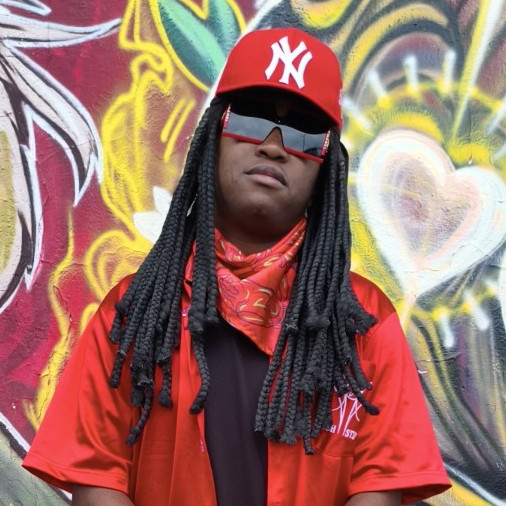


About Rap ecuatoriano
Rap ecuatoriano is a vibrant thread in the broader tapestry of Latin American hip hop. Born in the late 1990s and blossoming through the early 2000s, it emerged from the street-level energy of Ecuador’s urban centers, notably Quito and Guayaquil, where crews, DJs and MCs began to trade tapes, battle rhymes and small gigs in clubs and parks. It took root within a global movement that already valued storytelling, social commentary and rhythmic innovation, but local producers and poets folded in Ecuador’s own rhythms, slang and realities to give the scene a distinctly Ecuadorian voice.
The sound of rap ecuatoriano has always been forged in dialogue with global hip hop while remaining fiercely local. Early productions tended toward the gritty, boom-bap sensibilities of the era, with hard-hitting drums, punchy rhymes and a DIY spirit—often built from samples, casette-era production tricks and the intuition of artists who learned their craft in neighborhood cyphers. Over time, the palette widened. Contemporary acts fuse trap, reggaeton-inflected cadences, dancehall energy and melodic flows, creating a spectrum that can feel both street-wise and artistically experimental. Lyrically, the genre ranges from autobiographical storytelling to sharp social critique, addressing issues such as inequality, violence, migration, education and resilience, all while celebrating local identity and linguistic flair.
The genre’s community life has always been crucial. Cyphers, open mics, garage studios and university runs helped cement a sense of Ecuadorian hip hop as a space for voice and resistance. The internet and streaming platforms later amplified the reach of Ecuadorian rappers, allowing collaborations with artists from neighboring countries and distant diasporas, and enabling fans across Ecuador’s cities—Quito, Guayaquil, Cuenca and beyond—to connect, critique and celebrate new releases in real time.
In terms of audience, rap ecuatoriano remains most popular within Ecuador, where it resonates with listeners who recognize the precision of its wordplay and the honesty of its social observations. It has also found audiences among Ecuadorian communities abroad, particularly in Spain and the United States, where diasporic listeners seek music that mirrors their roots while pushing into new sonic territories. Cross-border collaborations with artists from Colombia, Peru and other Latin American scenes have helped shift the sound toward a continental conversation, enriching its stylistic breadth and its themes of migration, belonging and exchange.
Ambassadors of the genre—those who helped propel it from local basements to international stages—tend to be the pioneers who kept the flame alive through years of isolation and change, and the newer generation that’s touring, streaming and collaborating globally. They exemplify a broader truth: rap ecuatoriano is not a single, monolithic sound but a dynamic ecosystem in which street storytelling, social insight and musical experimentation coexist. It remains a reflexive voice for urban Ecuador—crafted in Spanish, infused with local color and ready to travel to new listeners and new streets around the world. If you’re a music enthusiast, its evolution is a compelling case study in how regional scenes metabolize global trends while keeping a distinctly local heartbeat.
If you’d like, I can add a concise list of notable Ecuadorian rappers and acts to anchor this description with specific names.
The sound of rap ecuatoriano has always been forged in dialogue with global hip hop while remaining fiercely local. Early productions tended toward the gritty, boom-bap sensibilities of the era, with hard-hitting drums, punchy rhymes and a DIY spirit—often built from samples, casette-era production tricks and the intuition of artists who learned their craft in neighborhood cyphers. Over time, the palette widened. Contemporary acts fuse trap, reggaeton-inflected cadences, dancehall energy and melodic flows, creating a spectrum that can feel both street-wise and artistically experimental. Lyrically, the genre ranges from autobiographical storytelling to sharp social critique, addressing issues such as inequality, violence, migration, education and resilience, all while celebrating local identity and linguistic flair.
The genre’s community life has always been crucial. Cyphers, open mics, garage studios and university runs helped cement a sense of Ecuadorian hip hop as a space for voice and resistance. The internet and streaming platforms later amplified the reach of Ecuadorian rappers, allowing collaborations with artists from neighboring countries and distant diasporas, and enabling fans across Ecuador’s cities—Quito, Guayaquil, Cuenca and beyond—to connect, critique and celebrate new releases in real time.
In terms of audience, rap ecuatoriano remains most popular within Ecuador, where it resonates with listeners who recognize the precision of its wordplay and the honesty of its social observations. It has also found audiences among Ecuadorian communities abroad, particularly in Spain and the United States, where diasporic listeners seek music that mirrors their roots while pushing into new sonic territories. Cross-border collaborations with artists from Colombia, Peru and other Latin American scenes have helped shift the sound toward a continental conversation, enriching its stylistic breadth and its themes of migration, belonging and exchange.
Ambassadors of the genre—those who helped propel it from local basements to international stages—tend to be the pioneers who kept the flame alive through years of isolation and change, and the newer generation that’s touring, streaming and collaborating globally. They exemplify a broader truth: rap ecuatoriano is not a single, monolithic sound but a dynamic ecosystem in which street storytelling, social insight and musical experimentation coexist. It remains a reflexive voice for urban Ecuador—crafted in Spanish, infused with local color and ready to travel to new listeners and new streets around the world. If you’re a music enthusiast, its evolution is a compelling case study in how regional scenes metabolize global trends while keeping a distinctly local heartbeat.
If you’d like, I can add a concise list of notable Ecuadorian rappers and acts to anchor this description with specific names.