Genre
rap francais nouvelle vague
Top Rap francais nouvelle vague Artists
Showing 25 of 28 artists









About Rap francais nouvelle vague
Rap français nouvelle vague is less a fixed sound than a temperament shift that reshaped modern French hip-hop. Emergent in the 2010s, it fused melancholy melodies, melodic rap, spare trap textures, and deeply personal storytelling into a cohesive atmosphere. The movement grew from independent, digitally savvy artists who leveraged streaming, YouTube, and self‑made visuals to build devoted followings outside traditional radio routes. The result is a sound that feels intimate, cinematic, and emotionally blunt, often sung or chanted with Auto-Tune draped over moody, minimalist production.
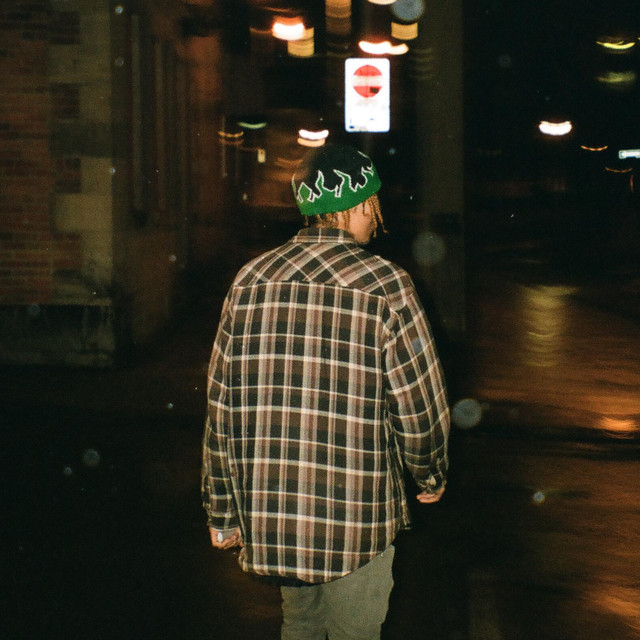
Its birth is tied to a break from grandiose punchlines and brazen bravado toward introspection, vulnerability, and urban realism. The era’s sonic palette leans toward cloud-rap and trap-adjacent rhythms: stepped-down baselines, reverb-drenched guitars, airy choirs, and sparse percussion that leave space for the voice to carry a narrative. Lyrically, the genre is marked by diary-like vignettes—strained relationships, ambition and insecurity, the hustle of city life, and the search for belonging. The visuals reinforced this mood: muted color palettes, nocturnal settings, and close-up, cinematic portraits of the artists’ daily realities.
Among the flagship acts and ambassadors, a few names anchor the scene in the public imagination. PNL—Tarik and Nabil, a sibling duo known for their enigmatic persona and emotive, atmospheric delivery—are often cited as central figures. Their music helped popularize the melancholic, melodically driven approach that became a staple of the wave, and their independent approach—linked to the QLF (Que La Famille) ethos—embodied the DIY, media-savvy spirit of the era. Damso, Belgian by birth and a major voice within the scene, brought razor-sharp wordplay, brutal honesty, and a darker, philosophically tinted lens to the table, with Ipséité (2017) standing as a watershed release. Nekfeu, from the Paris collective L’Entourage, bridged the old and new waves with Feu (2015) and subsequent records that paired dense lyricism with accessible, melodic flows. Lomepal, Vald, and Georgio emerged as other pivotal voices: Lomepal’s warm, confessional storytelling; Vald’s provocative, off-kilter humour; Georgio’s soulful, street-poetic sensibility—each contributed distinct shades to the overall palette.
Geography and audience follow the francophone map. The core audience remains France, where the movement’s cultural and linguistic nuances resonate most deeply. Beyond France, Belgium, Switzerland, and the French-speaking regions of Canada (notably Quebec) became important hubs. Francophone Africa and other global French-speaking communities also adopted the sound, aided by streaming platforms that make the music accessible far from its origins.
For enthusiasts, the appeal lies in the genre’s personality: music that feels like a late-night conversation with a close friend, set to beats that are both catchy and cinematic. It’s a genre of mood as much as message, where introspection meets streetwise realism, and where the voice, production, and imagery work in tandem to create a modern, distinctly French aesthetic.
Its birth is tied to a break from grandiose punchlines and brazen bravado toward introspection, vulnerability, and urban realism. The era’s sonic palette leans toward cloud-rap and trap-adjacent rhythms: stepped-down baselines, reverb-drenched guitars, airy choirs, and sparse percussion that leave space for the voice to carry a narrative. Lyrically, the genre is marked by diary-like vignettes—strained relationships, ambition and insecurity, the hustle of city life, and the search for belonging. The visuals reinforced this mood: muted color palettes, nocturnal settings, and close-up, cinematic portraits of the artists’ daily realities.
Among the flagship acts and ambassadors, a few names anchor the scene in the public imagination. PNL—Tarik and Nabil, a sibling duo known for their enigmatic persona and emotive, atmospheric delivery—are often cited as central figures. Their music helped popularize the melancholic, melodically driven approach that became a staple of the wave, and their independent approach—linked to the QLF (Que La Famille) ethos—embodied the DIY, media-savvy spirit of the era. Damso, Belgian by birth and a major voice within the scene, brought razor-sharp wordplay, brutal honesty, and a darker, philosophically tinted lens to the table, with Ipséité (2017) standing as a watershed release. Nekfeu, from the Paris collective L’Entourage, bridged the old and new waves with Feu (2015) and subsequent records that paired dense lyricism with accessible, melodic flows. Lomepal, Vald, and Georgio emerged as other pivotal voices: Lomepal’s warm, confessional storytelling; Vald’s provocative, off-kilter humour; Georgio’s soulful, street-poetic sensibility—each contributed distinct shades to the overall palette.
Geography and audience follow the francophone map. The core audience remains France, where the movement’s cultural and linguistic nuances resonate most deeply. Beyond France, Belgium, Switzerland, and the French-speaking regions of Canada (notably Quebec) became important hubs. Francophone Africa and other global French-speaking communities also adopted the sound, aided by streaming platforms that make the music accessible far from its origins.
For enthusiasts, the appeal lies in the genre’s personality: music that feels like a late-night conversation with a close friend, set to beats that are both catchy and cinematic. It’s a genre of mood as much as message, where introspection meets streetwise realism, and where the voice, production, and imagery work in tandem to create a modern, distinctly French aesthetic.