Genre
rap gasy
Top Rap gasy Artists
Showing 17 of 17 artists




About Rap gasy
Rap gasy, or Malagasy rap, is a hip-hop current that grew out of Madagascar’s urban neighborhoods and gnawed at the edges of the mainstream long before it found its widely heard voice. It is a form that keeps one foot in the street and the other in the studio, where Malagasy syllables ride laser‑sharp productions and danceable grooves.
Born in the late 1990s to early 2000s, primarily in Antananarivo, rap gasy emerged as Malagasy youth encountered American and French hip‑hop through tapes, radio, and the internet, then reimagined it in their own language and contexts. Early crews and solo artists laid the groundwork by rapping about daily life, unemployment, street economies, and the politics of everyday resilience, using Malagasy plus French with a cadence that could switch from rapid-fire to melodic.
The genre is marked by bilingual or multilingual verses, clever wordplay, and a strong connect to local sound palettes. Producers blend trap and boom‑bap patterns with samples or live instrumentation from Malagasy music—valiha, kabosy, traditional percussion—creating a sound that is at once contemporary and unmistakably Malagasy.
Tracks often balance social critique and party energy, lacing gritty realism with catchy hooks designed for radio play and club nights. The tempo varies, but many lilt toward mid‑tempo pulses that invite dance and call‑and‑response tendencies that echo the island’s oral traditions.
Rap gasy spread from Antananarivo to other major cities like Toamasina and Antsiranana and has drawn a growing audience online, through YouTube, streaming platforms, and social media. Beyond Madagascar, the genre has found a listening base among Malagasy communities in France, Réunion, Mauritius, and other Francophone circuits where kinship with the language and stories keeps it vital.
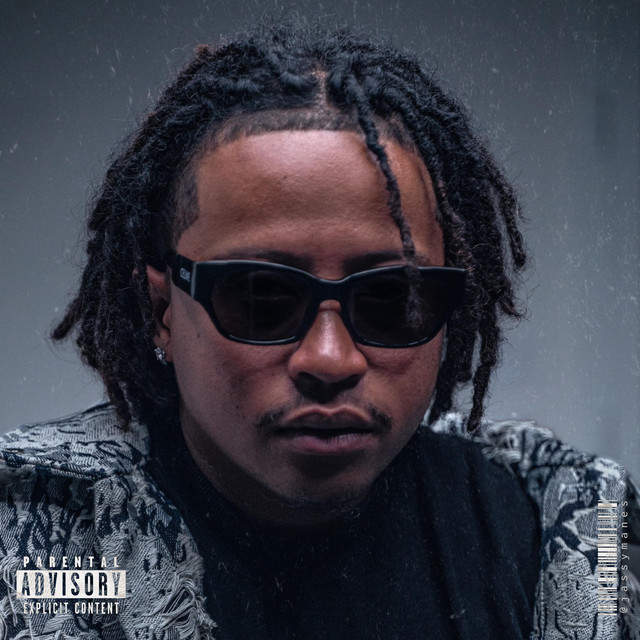
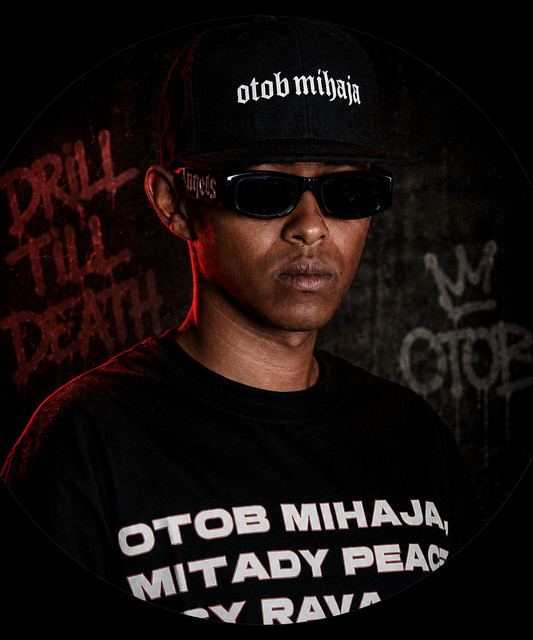
Individuals who have helped define the sound and culture—the ambassadors of rap gasy—come from the capital’s underground scenes and from the newer generation that has achieved wider visibility. They are known for pushing lyrical complexity, melodic hooks, and fearless storytelling, and for expanding the scene beyond local bars into festivals, collaborations with producers abroad, and digital spaces where new talents emerge daily.
These artists and crews are not just entertainers; they act as cultural archivists, recording the pressures, hopes, and humor of Madagascar’s youth for both local audiences and the global curious. The genre remains a living conversation about identity, language, and sound—an evolving map of a nation’s street memory translated into rap.
Whether you approach it as social document, dance floor energy, or sonic collage, rap gasy offers a window into Madagascar’s contemporary pulse. It’s a living, changing dialogue that invites listeners to hear Madagascar in motion.
Born in the late 1990s to early 2000s, primarily in Antananarivo, rap gasy emerged as Malagasy youth encountered American and French hip‑hop through tapes, radio, and the internet, then reimagined it in their own language and contexts. Early crews and solo artists laid the groundwork by rapping about daily life, unemployment, street economies, and the politics of everyday resilience, using Malagasy plus French with a cadence that could switch from rapid-fire to melodic.
The genre is marked by bilingual or multilingual verses, clever wordplay, and a strong connect to local sound palettes. Producers blend trap and boom‑bap patterns with samples or live instrumentation from Malagasy music—valiha, kabosy, traditional percussion—creating a sound that is at once contemporary and unmistakably Malagasy.
Tracks often balance social critique and party energy, lacing gritty realism with catchy hooks designed for radio play and club nights. The tempo varies, but many lilt toward mid‑tempo pulses that invite dance and call‑and‑response tendencies that echo the island’s oral traditions.
Rap gasy spread from Antananarivo to other major cities like Toamasina and Antsiranana and has drawn a growing audience online, through YouTube, streaming platforms, and social media. Beyond Madagascar, the genre has found a listening base among Malagasy communities in France, Réunion, Mauritius, and other Francophone circuits where kinship with the language and stories keeps it vital.
Individuals who have helped define the sound and culture—the ambassadors of rap gasy—come from the capital’s underground scenes and from the newer generation that has achieved wider visibility. They are known for pushing lyrical complexity, melodic hooks, and fearless storytelling, and for expanding the scene beyond local bars into festivals, collaborations with producers abroad, and digital spaces where new talents emerge daily.
These artists and crews are not just entertainers; they act as cultural archivists, recording the pressures, hopes, and humor of Madagascar’s youth for both local audiences and the global curious. The genre remains a living conversation about identity, language, and sound—an evolving map of a nation’s street memory translated into rap.
Whether you approach it as social document, dance floor energy, or sonic collage, rap gasy offers a window into Madagascar’s contemporary pulse. It’s a living, changing dialogue that invites listeners to hear Madagascar in motion.