Genre
indie poptimism
Top Indie poptimism Artists
Showing 25 of 135 artists















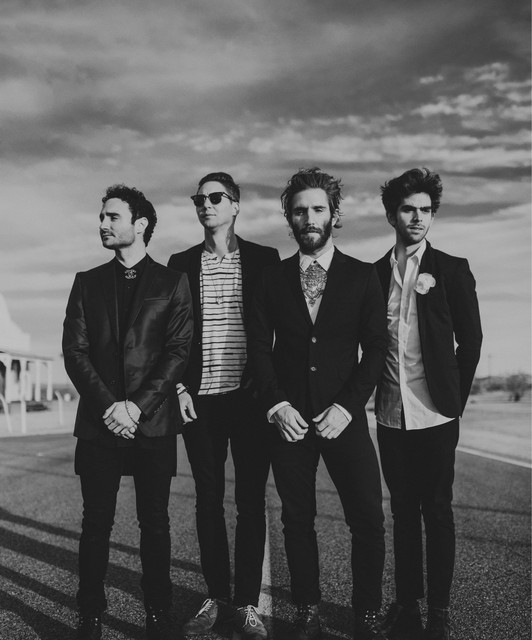
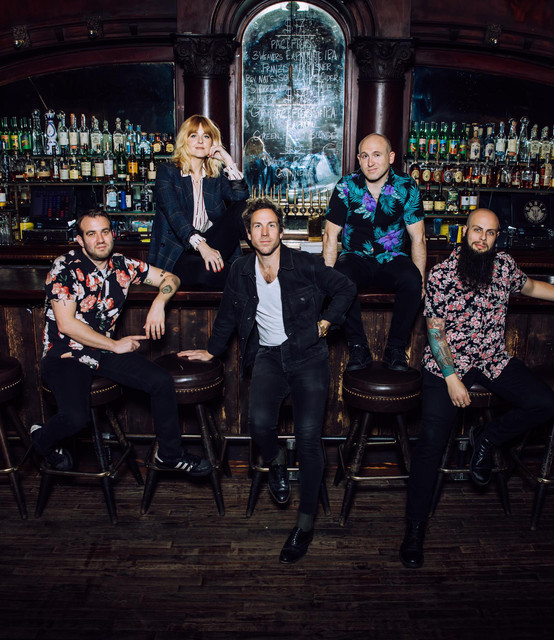
About Indie poptimism
Indie poptimism is a sensibility more than a fixed sound: a belief that pop craft and indie sincerity can coexist, thrive, and even elevate one another. It reframes what counts as “indie” by embracing hook-filled, radio-friendly songs that also bear a distinct artistic fingerprint. The movement grew out of a broader critical shift in the early 2010s known as poptimism, the idea that pop music—when made with care, nuance, and personality—deserves the same literary and musical respect traditionally lavished on indie rock. Critics and fans started celebrating records that traded the garage for glossy production, yet retained idiosyncratic authorship, storytelling, and experimentation.
Origin and philosophy
Indie poptimism crystallized as a term and mood around 2011–2013, as outlets like Pitchfork, The Guardian, and NME began foregrounding pop-centric indie albums as serious art rather than sellout “pop.” It’s less about one formula than a generosity toward pop-oriented arrangements—catchy choruses, bright synths, clean guitar tones, and warm vocal textures—paired with the DIY or artistically stubborn spirit that has always defined indie. The aesthetic is often spacious and melodic, favoring memorable melodies and refined craftsmanship over abrasive or self-consciously “underground” textures. In practice, indie poptimism invites listeners to decode lyrical nuance and production choices while enjoying songs that can sit comfortably on a playlist, a club set, or a late-night flight.
Musical traits
What binds indie poptimism is not a single sound but a shared approach: strong pop-writing sensibilities filtered through indie aesthetics. Songs tend to be chorus-forward, with an ear for immediate appeal and subtle experimentation. You’ll hear jangly guitars, shimmering synths, crisp drum machines, and polished vocal takes—often wrapped in a warm, capsule-like production that feels intimate yet expansive. The mood ranges from sunlit, buoyant optimism to introspective, nocturnal reflection, but the throughline is clear discernment: pop ease without sacrificing personality, cleverness, or emotional clarity.
Ambassadors and key artists
Several artists are frequently cited as emblematic of indie poptimism’s spirit, either because critics celebrated their work within the movement or because they bridged indie credibility with mainstream appeal:
- Carly Rae Jepsen, whose Emotion (and subsequent releases) embodied meticulous pop craftsmanship with an indie-leaning sincerity and songwriterly depth.
- Lorde, whose Pure Heroine and Melodrama fused astute pop storytelling with an art-pop sensibility and a fearless critical presence.
- The 1975, blending glossy pop hooks with razor-sharp, introspective lyricism and a penchant for genre-blurring experiments.
- Christine and the Queens, a French project that merged art-pop theatrics with hook-driven contemporary indie sensibilities.
- Grimes, whose synth-forward, boundary-pusting approach sits at the crossroads of indie friendliness and experimental pop.
- Charli XCX, whose evolution from alt-pop provocateur to poptimist mainstream icon highlighted the movement’s embrace of experimentation within pop’s frameworks.
geography and audience
Indie poptimism found its strongest footholds in the United States, United Kingdom, Canada, and Australia, where thriving indie scenes, strong press ecosystems, and robust streaming cultures helped bring pop-first records into critical conversation. It also resonated across Europe, with artists from France, the UK, and Scandinavia often cited as emblematic of the cross-pollination between indie authenticity and pop craft. In an era of global streaming, these records traveled beyond borders, helping cultivate a worldwide appetite for music that sounds both approachable and articulate.
In sum, indie poptimism invites listeners to celebrate pop’s artistry without discarding indie’s nuance. It’s a listening philosophy as much as a genre tag—a reminder that memorable melodies can wear cerebral textures and remain deeply, democratically enjoyable.
Origin and philosophy
Indie poptimism crystallized as a term and mood around 2011–2013, as outlets like Pitchfork, The Guardian, and NME began foregrounding pop-centric indie albums as serious art rather than sellout “pop.” It’s less about one formula than a generosity toward pop-oriented arrangements—catchy choruses, bright synths, clean guitar tones, and warm vocal textures—paired with the DIY or artistically stubborn spirit that has always defined indie. The aesthetic is often spacious and melodic, favoring memorable melodies and refined craftsmanship over abrasive or self-consciously “underground” textures. In practice, indie poptimism invites listeners to decode lyrical nuance and production choices while enjoying songs that can sit comfortably on a playlist, a club set, or a late-night flight.
Musical traits
What binds indie poptimism is not a single sound but a shared approach: strong pop-writing sensibilities filtered through indie aesthetics. Songs tend to be chorus-forward, with an ear for immediate appeal and subtle experimentation. You’ll hear jangly guitars, shimmering synths, crisp drum machines, and polished vocal takes—often wrapped in a warm, capsule-like production that feels intimate yet expansive. The mood ranges from sunlit, buoyant optimism to introspective, nocturnal reflection, but the throughline is clear discernment: pop ease without sacrificing personality, cleverness, or emotional clarity.
Ambassadors and key artists
Several artists are frequently cited as emblematic of indie poptimism’s spirit, either because critics celebrated their work within the movement or because they bridged indie credibility with mainstream appeal:
- Carly Rae Jepsen, whose Emotion (and subsequent releases) embodied meticulous pop craftsmanship with an indie-leaning sincerity and songwriterly depth.
- Lorde, whose Pure Heroine and Melodrama fused astute pop storytelling with an art-pop sensibility and a fearless critical presence.
- The 1975, blending glossy pop hooks with razor-sharp, introspective lyricism and a penchant for genre-blurring experiments.
- Christine and the Queens, a French project that merged art-pop theatrics with hook-driven contemporary indie sensibilities.
- Grimes, whose synth-forward, boundary-pusting approach sits at the crossroads of indie friendliness and experimental pop.
- Charli XCX, whose evolution from alt-pop provocateur to poptimist mainstream icon highlighted the movement’s embrace of experimentation within pop’s frameworks.
geography and audience
Indie poptimism found its strongest footholds in the United States, United Kingdom, Canada, and Australia, where thriving indie scenes, strong press ecosystems, and robust streaming cultures helped bring pop-first records into critical conversation. It also resonated across Europe, with artists from France, the UK, and Scandinavia often cited as emblematic of the cross-pollination between indie authenticity and pop craft. In an era of global streaming, these records traveled beyond borders, helping cultivate a worldwide appetite for music that sounds both approachable and articulate.
In sum, indie poptimism invites listeners to celebrate pop’s artistry without discarding indie’s nuance. It’s a listening philosophy as much as a genre tag—a reminder that memorable melodies can wear cerebral textures and remain deeply, democratically enjoyable.