Genre
rap metalcore
Top Rap metalcore Artists
Showing 7 of 7 artists



About Rap metalcore
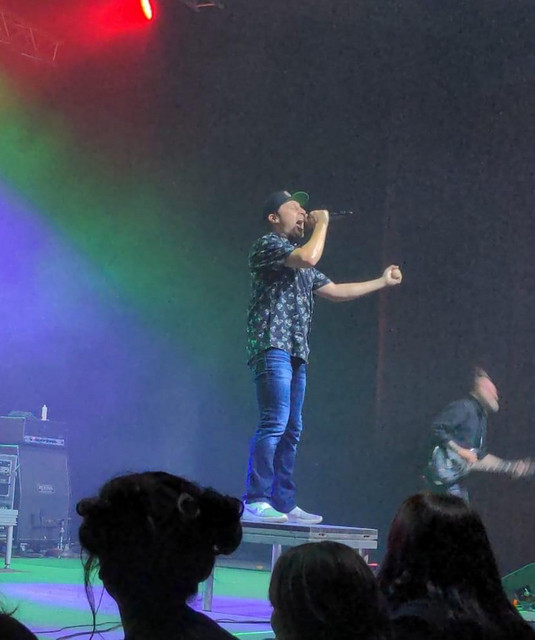
Rap metalcore is a dynamic fusion that blends the rhythmic urgency and lyrical cadence of rap with the heavy, breakdown-driven energy of metalcore. It sits at a crossroads where MC-style verses, shouted or screamed vocal layers, and hard-hitting guitar riffs collide with pummeling drums, palm-muted chugs, and dramatic, often tempo-shifting dynamics. The result is music that can hinge on a tight, head-nodding rap flow one moment and explode into a rib-rattling metalcore breakdown the next.
Origins and birth
The idea of mixing rap with heavy guitar-driven music predates metalcore as a distinct scene. The late 1980s and 1990s produced what many fans call rap metal or rap rock, with bands like Rage Against the Machine, Korn, Linkin Park, and Limp Bizkit showing how hip-hop’s delivery could sit atop aggressive guitars and aggressive riffs. Those bands laid the groundwork for blending rap vocal textures with metal energy. As metalcore emerged in the late 1990s and early 2000s—characterized by breakdowns, hardcore-inflected riffs, and a shift toward more aggressive, emotionally direct songwriting—the door widened for rap-influenced elements to be integrated more fully into the metalcore toolkit. In the 2010s, a number of bands explicitly fused rap cadences with modern metalcore production, giving rise to what fans and commentators often call rap metalcore or rapcore within the metalcore umbrella.
Key artists and ambassadors
- Proto/precursors: Rage Against the Machine and Korn are frequently named as archetypal forebears who proved that rap and metallic aggression could coexist in a single band’s DNA. They popularized the idea that hip-hop phrasing, rhythmic spoken-word sections, and rap rhythms could ride heavy guitars and down-tuned grooves.
- Bridge acts: Linkin Park and Limp Bizkit became household names by bringing rap-inflected vocal lines into heavy, guitar-first music in the late 1990s and early 2000s, influencing countless bands that would later blend rap with metalcore’s intensity.
- Modern ambassadors: Issues is one of the most commonly cited examples of the metalcore scene explicitly embracing hip-hop phrasing and electronic textures. Formed in the 2010s, Issues helped popularize the approach of alternating aggressive rapping and screamo-adjacent vocals over dynamic, electronics-tinged metalcore. Other contemporary groups in this milieu include bands that mix rap-like verses, spoken-word inflections, and catchy, sometimes pop-leaning choruses with heavy breakdowns—though the exact balance between rap and metalcore varies from band to band.
Geography and popularity
Rap metalcore has found audiences worldwide, but its strongest concentrations remain in the United States, where the metalcore scene has long thrived and where hip-hop’s cultural reach remains deep. Europe—especially the United Kingdom, Germany, and the broader Western European metalcore circuits—also hosts robust communities that appreciate the hybrid’s energy and groove. Beyond North America and Europe, there are devoted scenes in Latin America, parts of Asia, and other regions where bands experiment with remixing genres and collaborating with hip-hop artists. In essence, the genre travels well: fans of heavy music who enjoy a quick rap cadence or a spoken verse alongside crushing guitars often gravitate toward rap metalcore, regardless of geography.
A living, evolving mix
Today, rap metalcore isn’t a single, fixed formula. It ranges from bands that lay down precise rap-cadenced verses over slam-down metalcore riffs to acts that weave electronic beats, DJ scratches, or trap-inspired production into wall-of-sound structures. For enthusiasts, the appeal lies in the tension between the swagger and rhythm of rap and the cathartic, mosh-pit energy of metalcore. If you’re curious, start with Rage Against the Machine and Linkin Park as historical anchors, then explore Issues and related bands to hear how the blend has matured in the 21st century.
Origins and birth
The idea of mixing rap with heavy guitar-driven music predates metalcore as a distinct scene. The late 1980s and 1990s produced what many fans call rap metal or rap rock, with bands like Rage Against the Machine, Korn, Linkin Park, and Limp Bizkit showing how hip-hop’s delivery could sit atop aggressive guitars and aggressive riffs. Those bands laid the groundwork for blending rap vocal textures with metal energy. As metalcore emerged in the late 1990s and early 2000s—characterized by breakdowns, hardcore-inflected riffs, and a shift toward more aggressive, emotionally direct songwriting—the door widened for rap-influenced elements to be integrated more fully into the metalcore toolkit. In the 2010s, a number of bands explicitly fused rap cadences with modern metalcore production, giving rise to what fans and commentators often call rap metalcore or rapcore within the metalcore umbrella.
Key artists and ambassadors
- Proto/precursors: Rage Against the Machine and Korn are frequently named as archetypal forebears who proved that rap and metallic aggression could coexist in a single band’s DNA. They popularized the idea that hip-hop phrasing, rhythmic spoken-word sections, and rap rhythms could ride heavy guitars and down-tuned grooves.
- Bridge acts: Linkin Park and Limp Bizkit became household names by bringing rap-inflected vocal lines into heavy, guitar-first music in the late 1990s and early 2000s, influencing countless bands that would later blend rap with metalcore’s intensity.
- Modern ambassadors: Issues is one of the most commonly cited examples of the metalcore scene explicitly embracing hip-hop phrasing and electronic textures. Formed in the 2010s, Issues helped popularize the approach of alternating aggressive rapping and screamo-adjacent vocals over dynamic, electronics-tinged metalcore. Other contemporary groups in this milieu include bands that mix rap-like verses, spoken-word inflections, and catchy, sometimes pop-leaning choruses with heavy breakdowns—though the exact balance between rap and metalcore varies from band to band.
Geography and popularity
Rap metalcore has found audiences worldwide, but its strongest concentrations remain in the United States, where the metalcore scene has long thrived and where hip-hop’s cultural reach remains deep. Europe—especially the United Kingdom, Germany, and the broader Western European metalcore circuits—also hosts robust communities that appreciate the hybrid’s energy and groove. Beyond North America and Europe, there are devoted scenes in Latin America, parts of Asia, and other regions where bands experiment with remixing genres and collaborating with hip-hop artists. In essence, the genre travels well: fans of heavy music who enjoy a quick rap cadence or a spoken verse alongside crushing guitars often gravitate toward rap metalcore, regardless of geography.
A living, evolving mix
Today, rap metalcore isn’t a single, fixed formula. It ranges from bands that lay down precise rap-cadenced verses over slam-down metalcore riffs to acts that weave electronic beats, DJ scratches, or trap-inspired production into wall-of-sound structures. For enthusiasts, the appeal lies in the tension between the swagger and rhythm of rap and the cathartic, mosh-pit energy of metalcore. If you’re curious, start with Rage Against the Machine and Linkin Park as historical anchors, then explore Issues and related bands to hear how the blend has matured in the 21st century.