Genre
rap mineiro
Top Rap mineiro Artists

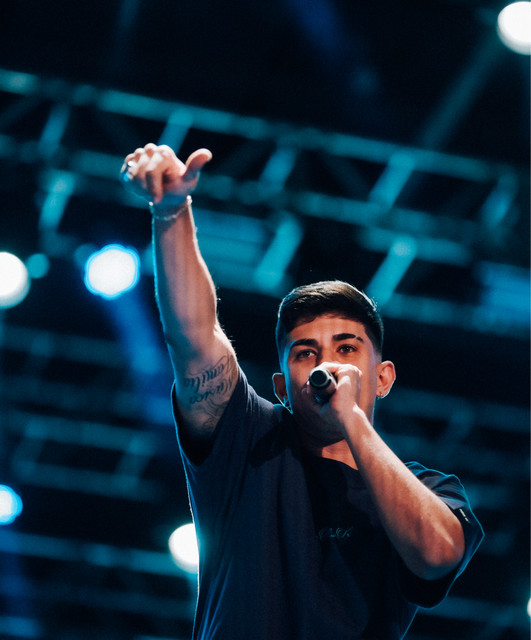


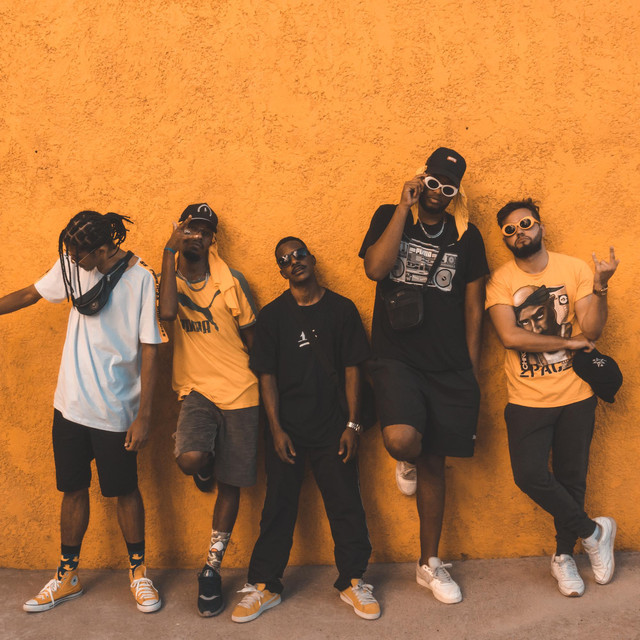

About Rap mineiro
Rap Mineiro is a distinctly Minas Gerais-toned thread in the Brazilian hip-hop tapestry. Born from the same impulse that sparked Brazilian rap in the late 1990s and early 2000s, it grew its own voice in the hills and streets of Belo Horizonte and the wider interior of Minas. The genre blends the raw storytelling of traditional rap with regional textures—local slang, urban geography, and a sense of everyday life in small towns and big cities alike. The result is a sound that feels both intimate and expansive, rooted in local experience while speaking a language that travels beyond state borders.
The era of Rap Mineiro is linked to the rise of independent crews, underground venues, and self‑published projects that celebrated do‑it‑yourself production. In Minas, as in much of Brazil, artists used basements, improvised studios, and community centers to develop their craft, facing limited resources but abundant creative energy. Cities such as Belo Horizonte, Contagem, Juiz de Fora, Uberlândia, and others became crucibles where MCs experimented with flow, rhyme schemes, and the integration of Brazilian musical sensibilities. This regional scene often favored introspection and social critique—examining education, unemployment, urban violence, and family life—while also delivering sharper, more playful or celebratory tracks that captured the humor and resilience of Minas Gerais culture.
Musically, Rap Mineiro tends to lean on classic boom-bap foundations—punchy drums and crisp snares—augmented by Brazilian sample palettes, from MPB and samba to funk and regional folk motifs. Producers from the scene frequently layer gritty textures with warm melodicism, producing tracks that feel like a bridge between the street-level grit of Brazilian life and more melodic, almost cinematic, moments. The lyrical approach is a key hallmark: crisp, end-stop rhymes, storytelling with concrete local detail, and a cadence that can flip from hard-edged to reflective in a whisper. You can hear the Minas accent and idioms—such as the iconic interjection uai—coloring the verses, giving the genre its unmistakable sense of place.
Rap Mineiro has cultivated a network of ambassadors and influential acts who, through albums, collaborations, and live performances, expanded the reach of Minas Gerais’ hip-hop narrative. Early pioneers and subsequent generations helped create a lineage that newer artists can trace back to, while still pushing the sound forward with innovative production and fearless topics. The scene thrives on collectives, DIY labels, and festival appearances, with a steady stream of releases that keep refining what it means to be a rapper from Minas.
In terms of global footprint, Rap Mineiro remains most strongly rooted in Brazil—where it resonates with fans who crave regional specificity within the wider Brazilian rap movement. Yet with streaming platforms and international exposure, it also catches listeners in Portugal and other Lusophone communities, and among global hip-hop enthusiasts drawn to distinct regional voices. The genre’s appeal is its authenticity: a living, evolving snapshot of Minas Gerais—its landscapes, its struggles, its humor, and its pride.
If you’re exploring the wider Brazilian rap ecosystem, Rap Mineiro offers a vivid, earned character: a music that keeps a local heartbeat while speaking a language that can travel.
The era of Rap Mineiro is linked to the rise of independent crews, underground venues, and self‑published projects that celebrated do‑it‑yourself production. In Minas, as in much of Brazil, artists used basements, improvised studios, and community centers to develop their craft, facing limited resources but abundant creative energy. Cities such as Belo Horizonte, Contagem, Juiz de Fora, Uberlândia, and others became crucibles where MCs experimented with flow, rhyme schemes, and the integration of Brazilian musical sensibilities. This regional scene often favored introspection and social critique—examining education, unemployment, urban violence, and family life—while also delivering sharper, more playful or celebratory tracks that captured the humor and resilience of Minas Gerais culture.
Musically, Rap Mineiro tends to lean on classic boom-bap foundations—punchy drums and crisp snares—augmented by Brazilian sample palettes, from MPB and samba to funk and regional folk motifs. Producers from the scene frequently layer gritty textures with warm melodicism, producing tracks that feel like a bridge between the street-level grit of Brazilian life and more melodic, almost cinematic, moments. The lyrical approach is a key hallmark: crisp, end-stop rhymes, storytelling with concrete local detail, and a cadence that can flip from hard-edged to reflective in a whisper. You can hear the Minas accent and idioms—such as the iconic interjection uai—coloring the verses, giving the genre its unmistakable sense of place.
Rap Mineiro has cultivated a network of ambassadors and influential acts who, through albums, collaborations, and live performances, expanded the reach of Minas Gerais’ hip-hop narrative. Early pioneers and subsequent generations helped create a lineage that newer artists can trace back to, while still pushing the sound forward with innovative production and fearless topics. The scene thrives on collectives, DIY labels, and festival appearances, with a steady stream of releases that keep refining what it means to be a rapper from Minas.
In terms of global footprint, Rap Mineiro remains most strongly rooted in Brazil—where it resonates with fans who crave regional specificity within the wider Brazilian rap movement. Yet with streaming platforms and international exposure, it also catches listeners in Portugal and other Lusophone communities, and among global hip-hop enthusiasts drawn to distinct regional voices. The genre’s appeal is its authenticity: a living, evolving snapshot of Minas Gerais—its landscapes, its struggles, its humor, and its pride.
If you’re exploring the wider Brazilian rap ecosystem, Rap Mineiro offers a vivid, earned character: a music that keeps a local heartbeat while speaking a language that can travel.