Genre
rap moldovenesc
Top Rap moldovenesc Artists
Showing 18 of 18 artists






About Rap moldovenesc
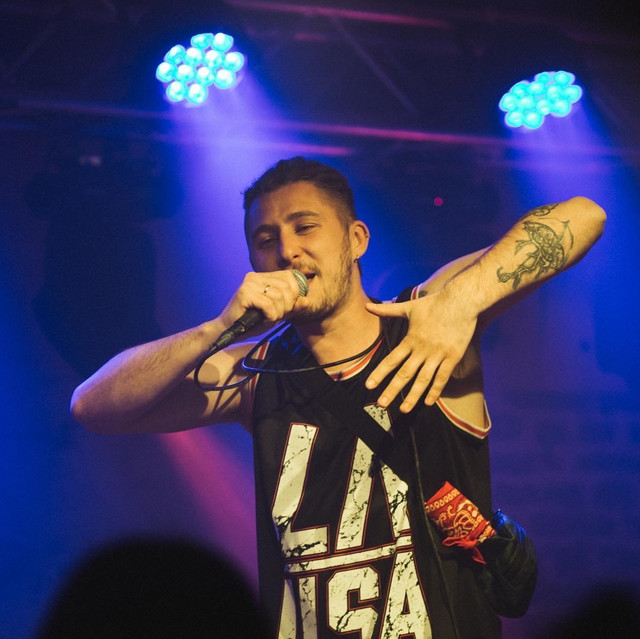
Rap moldovenesc is the Moldovan take on hip-hop, a scene that blends the grit of street-level storytelling with the linguistic and cultural textures of Moldova. It is not a single sound but a spectrum: tracks may ride hard-hitting trap drums, boom-bap grooves, or rhythmically sparse beats, all while carrying distinctly Moldovan concerns, cadences, and imagery. The genre often sits at the intersection of Romanian-language flow (Moldovan Romanian), Russian-language lines, and bilingual verses, reflecting Moldova’s multilingual reality and the cross-border ties that shape its music ecosystem.
Origins and age: like many post-Soviet urban genres, rap moldovenesc began taking form in the late 1990s and early 2000s, gaining momentum in Chișinău and other Moldovan cities as access to hip-hop records and the internet expanded. It grew through independent producers, underground crews, and street-corner performances, eventually expanding into online spaces where tracks could reach audiences beyond national borders. The sound matured through the 2010s and into the 2020s, as local artists experimented with form, language, and subject matter—moving from party tracks to more reflective, socially aware storytelling.
Language, themes, and identity: Moldovan rap often explores emigration, everyday struggle, family and friendship, aspirations, and the tension between tradition and modern life. The bilingual or multilingual approach—mixing Romanian with Russian, slang, and regional phrases—gives the genre a particular texture that resonates with Moldova’s diverse urban youth. Lyrics frequently reference local life, neighborhoods, and concerns that may feel intimate to listeners in Chișinău, Bălți, and smaller towns, while also speaking to the broader Moldovan diaspora.
Production and aesthetics: instrumentally, rap moldovenesc borrows from contemporary global trends—drill-influenced snares, 808 basslines, and polished digital production—but often keeps a local flavor: swaying melodies, sample choices rooted in folk-inflected melodies or regional textures, and a compact, punchy vocal delivery that emphasizes clarity and rhythm. The result is a sound that can feel both international and unmistakably Moldovan, with producers and artists collaborating across cities and, increasingly, across borders.
Popularity and reach: the strongest concentration of fans remains in Moldova and among Moldovan communities abroad, notably in Romania and other parts of Europe where language and culture create bridges. The scene has a growing online footprint, with streaming platforms, YouTube releases, and social media driving discovery. While it may not have the same global visibility as some other European hip-hop scenes, rap moldovenesc is steadily expanding its footprint through cross-border collaborations, festival appearances, and diaspora-driven audiences.
Pioneers and ambassadors: when fans talk about key figures who helped define the sound and push it forward, they point to a generation of Moldovan MCs and collectives that released influential material in the 2010s and 2020s. These artists are often cited as ambassadors of the genre in their communities, chosen for consistent releases, distinctive voices, and their role in mentoring newer acts, organizing shows, and sustaining a local rap culture that remains vibrant and evolving.
Looking ahead, rap moldovenesc is likely to keep growing through collaborations with Romanian and Eastern European producers, deeper exploration of Moldovan folklore-inspired motifs, and stronger cross-border circuits that bring Moldovan storytelling to wider European audiences.
Origins and age: like many post-Soviet urban genres, rap moldovenesc began taking form in the late 1990s and early 2000s, gaining momentum in Chișinău and other Moldovan cities as access to hip-hop records and the internet expanded. It grew through independent producers, underground crews, and street-corner performances, eventually expanding into online spaces where tracks could reach audiences beyond national borders. The sound matured through the 2010s and into the 2020s, as local artists experimented with form, language, and subject matter—moving from party tracks to more reflective, socially aware storytelling.
Language, themes, and identity: Moldovan rap often explores emigration, everyday struggle, family and friendship, aspirations, and the tension between tradition and modern life. The bilingual or multilingual approach—mixing Romanian with Russian, slang, and regional phrases—gives the genre a particular texture that resonates with Moldova’s diverse urban youth. Lyrics frequently reference local life, neighborhoods, and concerns that may feel intimate to listeners in Chișinău, Bălți, and smaller towns, while also speaking to the broader Moldovan diaspora.
Production and aesthetics: instrumentally, rap moldovenesc borrows from contemporary global trends—drill-influenced snares, 808 basslines, and polished digital production—but often keeps a local flavor: swaying melodies, sample choices rooted in folk-inflected melodies or regional textures, and a compact, punchy vocal delivery that emphasizes clarity and rhythm. The result is a sound that can feel both international and unmistakably Moldovan, with producers and artists collaborating across cities and, increasingly, across borders.
Popularity and reach: the strongest concentration of fans remains in Moldova and among Moldovan communities abroad, notably in Romania and other parts of Europe where language and culture create bridges. The scene has a growing online footprint, with streaming platforms, YouTube releases, and social media driving discovery. While it may not have the same global visibility as some other European hip-hop scenes, rap moldovenesc is steadily expanding its footprint through cross-border collaborations, festival appearances, and diaspora-driven audiences.
Pioneers and ambassadors: when fans talk about key figures who helped define the sound and push it forward, they point to a generation of Moldovan MCs and collectives that released influential material in the 2010s and 2020s. These artists are often cited as ambassadors of the genre in their communities, chosen for consistent releases, distinctive voices, and their role in mentoring newer acts, organizing shows, and sustaining a local rap culture that remains vibrant and evolving.
Looking ahead, rap moldovenesc is likely to keep growing through collaborations with Romanian and Eastern European producers, deeper exploration of Moldovan folklore-inspired motifs, and stronger cross-border circuits that bring Moldovan storytelling to wider European audiences.