Genre
rap québécois
Top Rap québécois Artists
Showing 25 of 546 artists





About Rap québécois
Rap québécois is the French-language branch of hip hop built in Quebec, Canada. It emerged from urban life in Montreal, Quebec City, and surrounding towns, where the energy of American hip hop met a distinctly Québécois sensibility—local slang, social realities, and a strong regional identity. The genre began taking shape in the late 1990s and found its footing in the 2000s, evolving from underground battles and mixtapes into a recognized musical movement with a voice that speaks specifically to life in Quebec.
Historically, the scene was born out of street culture and the desire to tell stories in the language most listeners used daily. Early crews and crews’ clashes helped forge a style that could ride on hard-hitting beats while weaving wordplay and social commentary. Over the following decade, a wave of Montreal-based artists pushed the sound forward, infusing it with diverse influences—from traditional boom-bap to more experimental production that blended electronic textures, rock elements, and melodic hooks. The result was a sound that could feel intimate and reflective on one track and aggressively anthemic on the next.
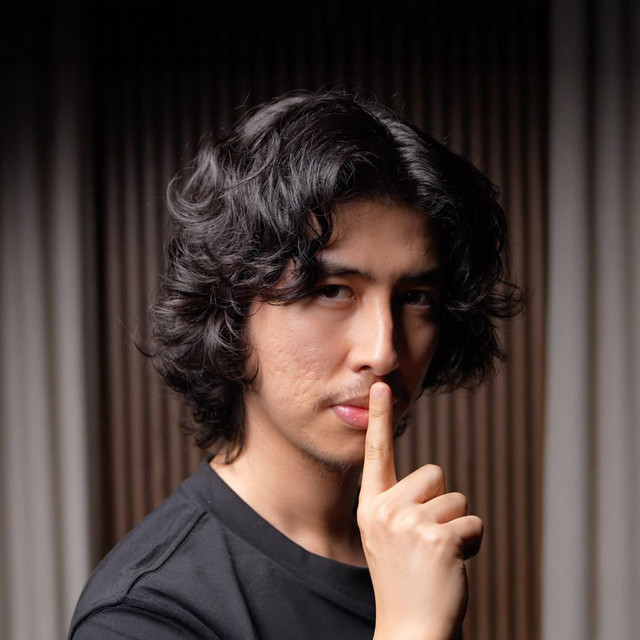
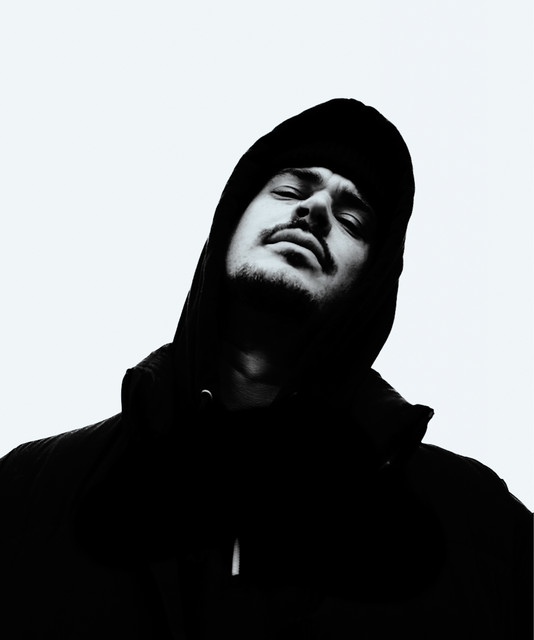
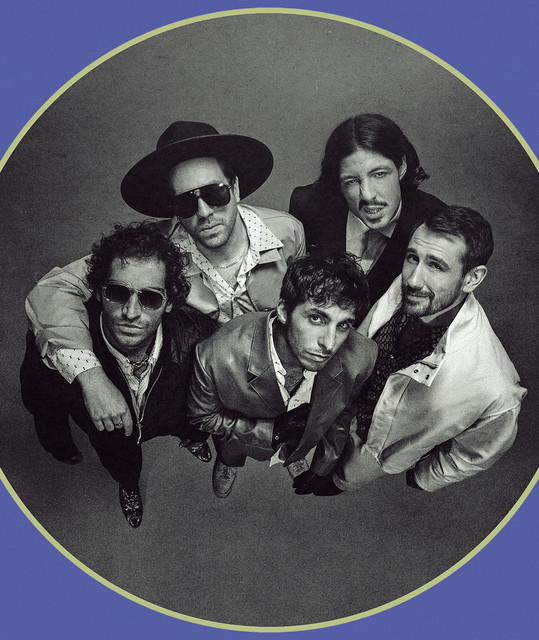
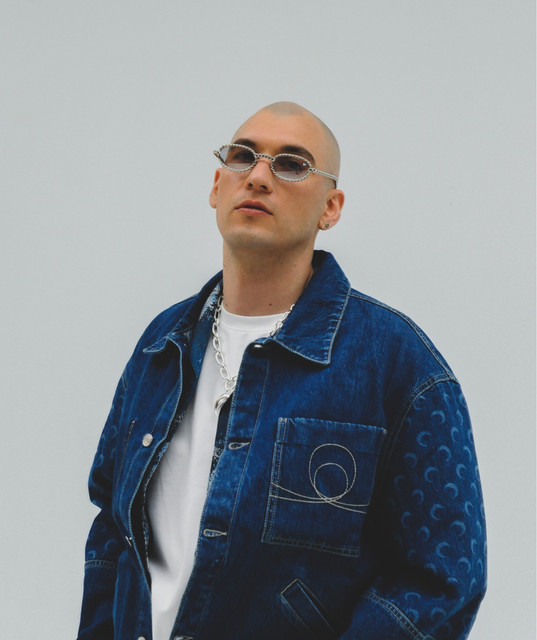
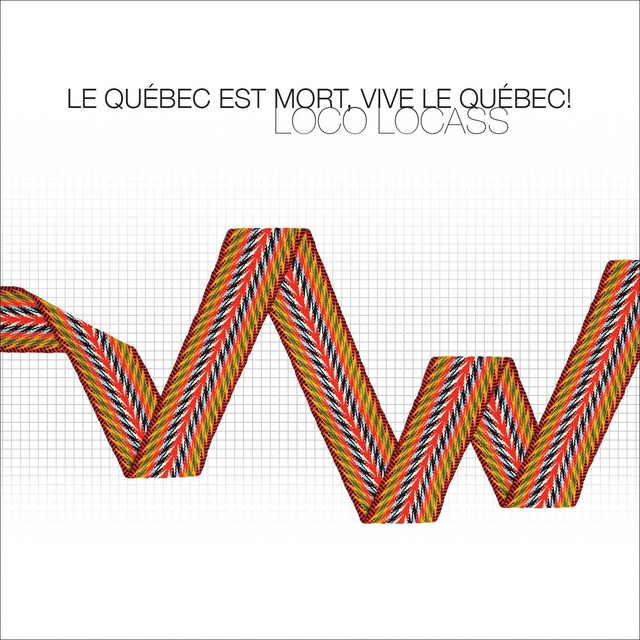
Among the artists widely regarded as ambassadors of rap québécois, several names stand out for their influence and reach. Loco Locass, a Montreal group formed at the turn of the century, became a touchstone for political and socially conscious lyrics wrapped in dense rhymes and catchy refrains. Their work helped bring Quebec rap into larger conversations about identity, language, and cultural pride. Another central figure is Alaclair Ensemble, a collective known for its clever sampling, rapid-fire delivery, and witty, often performative storytelling. Their projects broadened the palette of the scene and attracted listeners who prized wordplay and concept-driven albums. In more recent years, Dead Obies—also based in Montreal—brought a bilingual edge to the table, blending French with English and collaborating across genres, which helped the genre connect with younger audiences and urban music fans beyond the province. Koriass and Souldia have also been influential voices, distinguished by introspective lyrics, social observation, and a commitment to a distinctly Quebecois point of view.
The genre remains most popular in Quebec and across francophone Canada, where it serves as a cultural barometer and a form of regional pride. Its reach beyond Canada is more modest but real: francophone listeners in France and other parts of Europe, as well as international audiences via streaming platforms, discover rap québécois for its cadence, linguistic flavor, and the universal energy of hip hop. The production often foregrounds storytelling in French slang—fields of Quebecois phrases, cultural references, and urban atmosphere—while still drawing on global hip hop textures. For enthusiasts, the genre offers a vivid map of Quebec’s urban life, language, and social dialogue, all wrapped in a music that can be both intimate and expansive.
If you’re exploring rap québécois for the first time, listen for the lyrical density, the way the French accents and Quebec terms color the flow, and the mix of political and personal themes that mark many of its landmark records. It’s a scene that rewards deep listening and a sense of place.
Historically, the scene was born out of street culture and the desire to tell stories in the language most listeners used daily. Early crews and crews’ clashes helped forge a style that could ride on hard-hitting beats while weaving wordplay and social commentary. Over the following decade, a wave of Montreal-based artists pushed the sound forward, infusing it with diverse influences—from traditional boom-bap to more experimental production that blended electronic textures, rock elements, and melodic hooks. The result was a sound that could feel intimate and reflective on one track and aggressively anthemic on the next.
Among the artists widely regarded as ambassadors of rap québécois, several names stand out for their influence and reach. Loco Locass, a Montreal group formed at the turn of the century, became a touchstone for political and socially conscious lyrics wrapped in dense rhymes and catchy refrains. Their work helped bring Quebec rap into larger conversations about identity, language, and cultural pride. Another central figure is Alaclair Ensemble, a collective known for its clever sampling, rapid-fire delivery, and witty, often performative storytelling. Their projects broadened the palette of the scene and attracted listeners who prized wordplay and concept-driven albums. In more recent years, Dead Obies—also based in Montreal—brought a bilingual edge to the table, blending French with English and collaborating across genres, which helped the genre connect with younger audiences and urban music fans beyond the province. Koriass and Souldia have also been influential voices, distinguished by introspective lyrics, social observation, and a commitment to a distinctly Quebecois point of view.
The genre remains most popular in Quebec and across francophone Canada, where it serves as a cultural barometer and a form of regional pride. Its reach beyond Canada is more modest but real: francophone listeners in France and other parts of Europe, as well as international audiences via streaming platforms, discover rap québécois for its cadence, linguistic flavor, and the universal energy of hip hop. The production often foregrounds storytelling in French slang—fields of Quebecois phrases, cultural references, and urban atmosphere—while still drawing on global hip hop textures. For enthusiasts, the genre offers a vivid map of Quebec’s urban life, language, and social dialogue, all wrapped in a music that can be both intimate and expansive.
If you’re exploring rap québécois for the first time, listen for the lyrical density, the way the French accents and Quebec terms color the flow, and the mix of political and personal themes that mark many of its landmark records. It’s a scene that rewards deep listening and a sense of place.