Genre
rap uruguayo
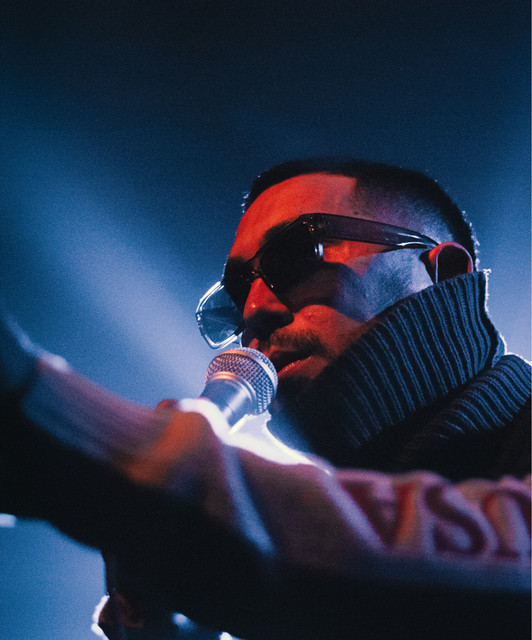
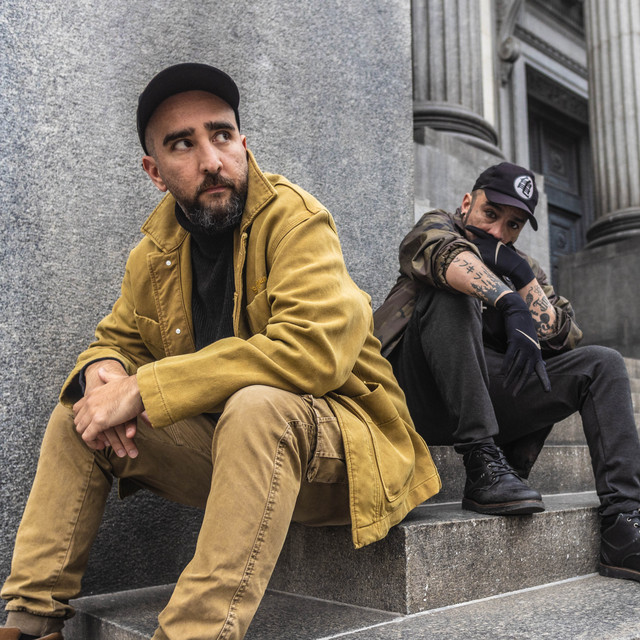
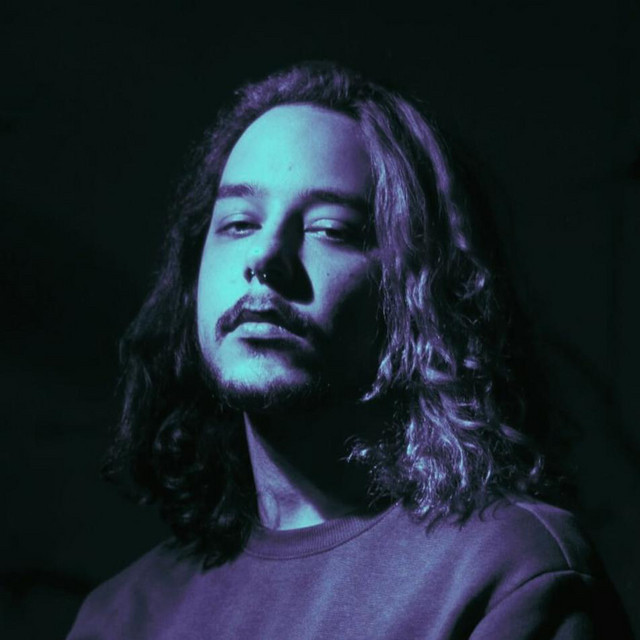
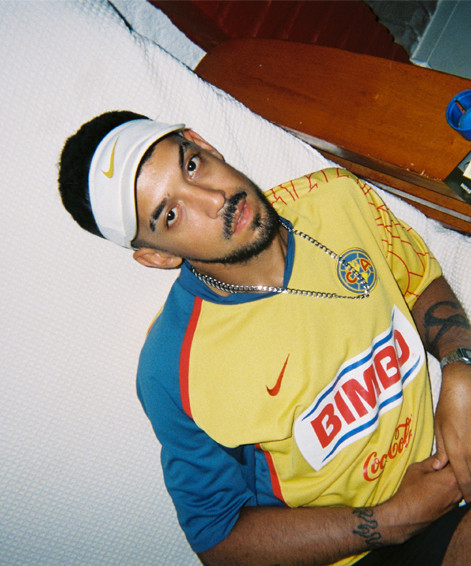
Top Rap uruguayo Artists
Showing 25 of 41 artists
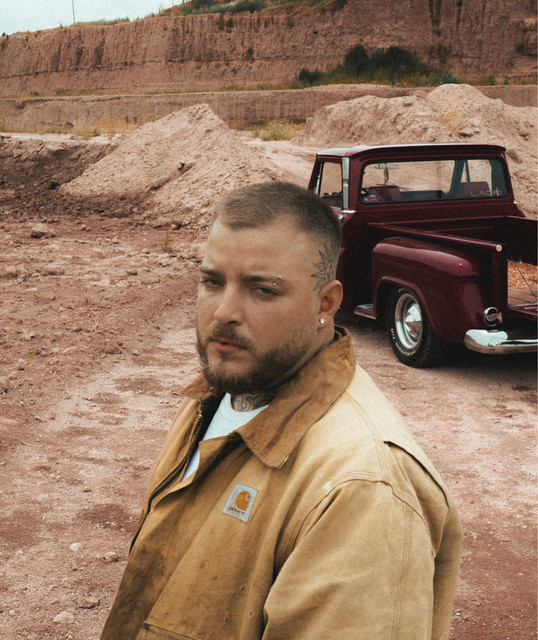
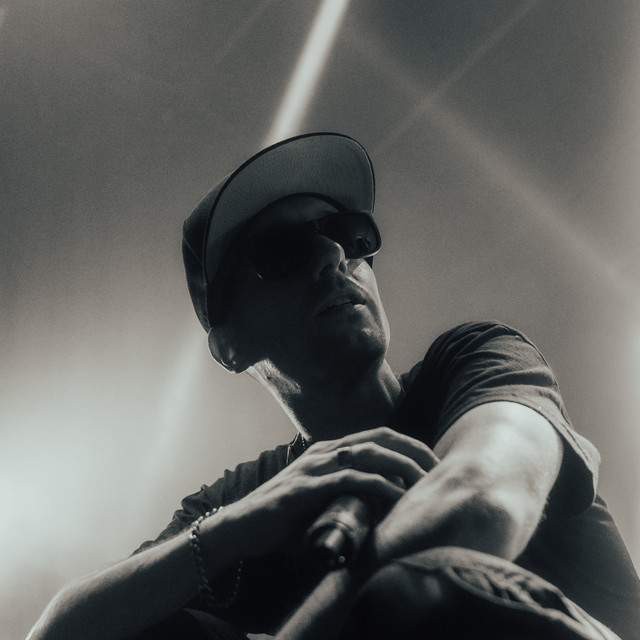

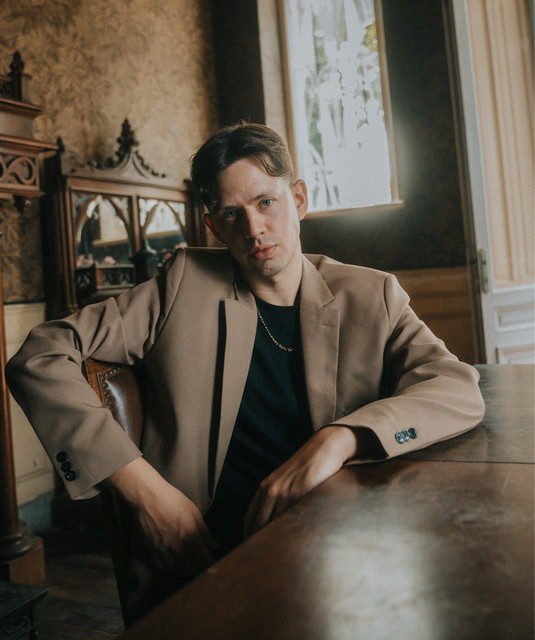
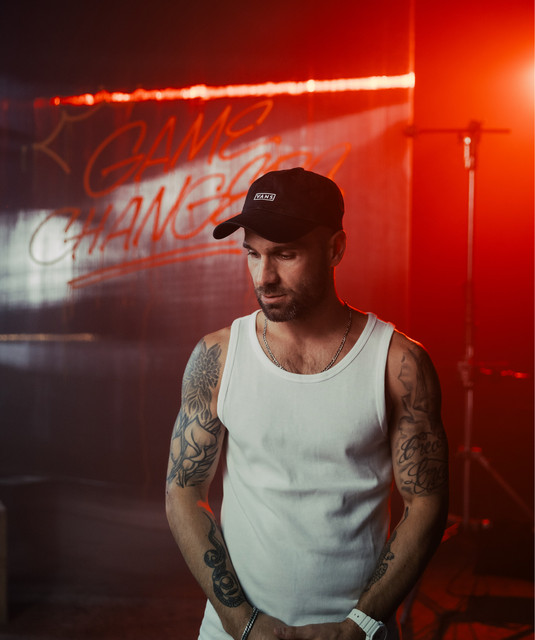







About Rap uruguayo
Rap uruguayo is the Uruguayan branch of hip‑hop, a musical and cultural movement born from Montevideo’s urban pockets and rippling outward through the country’s barrios and campuses. It crystallized in the late nineties and early two thousands, when local MCs started recording, distributing, and performing in Spanish with a distinctly Uruguayan visibility. The scene grew alongside affordable home studios, pirate radio, and bilingual exchanges with neighboring Latin American scenes, creating a sound that speaks as much about place as about rhythm and rhyme.
One of the defining features of rap uruguayo is its fusion of global hip‑hop aesthetics with local sensibilities. Producers and MCs experimented with sparse, lo‑fi beats and rugged sampling, often prioritizing flow and lyricism over glossy production. At the same time, the genre absorbed Uruguay’s rich cultural hinterland—especially its Afro‑Uruguayan candombe rhythms and the theatricality of murga—producing tracks that could glide from hard‑edged street reporting to more lyrical, contemplative storytelling. This intercultural current made the sound immediately recognizable to listeners who value not only punchlines but a narrative voice grounded in urban experience.
Lyrically, rap uruguayo tends to address social and political realities: economic precarity, youth disenchantment, immigration, and daily life in the capital’s neighborhoods. The genre often functions as a plataforma for street poets, offering a forum where poets, freestylers, and aspiring musicians can voice critique, aspiration, and resilience. The emphasis on storytelling—portrayals of friends, families, and the city—helps the music connect with audiences beyond niche circles, turning local experiences into universal human stories.
In terms of culture and practice, the scene has long valued live performance and battle culture. MCs gravitate toward crews and collectives that organize shows, cyphers, and battlegrounds, where improvised bars and tight disses test skill and charisma. This emphasis on live craft sustains a sense of community and mentorship, as veterans pass on techniques and younger artists develop their style, often bridging the gap between underground credibility and broader audience reach.
Geographically, rap uruguayo remains strongest in Uruguay, with Montevideo as the heartbeat. Yet its reach extends to neighboring Argentina and Brazil through shared language and diasporic networks, as well as to Spain and the wider Spanish‑speaking world via streaming platforms and social media. The global Latin hip‑hop ecosystem and digital distribution have allowed Uruguayan rappers to find audiences far from home, while regional collaborations have helped shape a trans‑Argentine‑Uruguayan current that both reflects and transcends national borders.
Ambassadors of the genre are typically veteran MCs, producers, and crews who consistently release material, organize events, and foster cross‑scene collaborations. They help translate local experience into a broader Latin American conversation, and they provide the mentorship and infrastructure that keep the scene vibrant from generation to generation. The result is a genre that remains deeply rooted in its local soil while continually reaching outward, proving that rap uruguayo is both a reflection of Uruguay and a driver of its evolving musical identity.
If you’d like, I can add specific artist names and key albums or moments to sharpen the portrait with verified examples.
One of the defining features of rap uruguayo is its fusion of global hip‑hop aesthetics with local sensibilities. Producers and MCs experimented with sparse, lo‑fi beats and rugged sampling, often prioritizing flow and lyricism over glossy production. At the same time, the genre absorbed Uruguay’s rich cultural hinterland—especially its Afro‑Uruguayan candombe rhythms and the theatricality of murga—producing tracks that could glide from hard‑edged street reporting to more lyrical, contemplative storytelling. This intercultural current made the sound immediately recognizable to listeners who value not only punchlines but a narrative voice grounded in urban experience.
Lyrically, rap uruguayo tends to address social and political realities: economic precarity, youth disenchantment, immigration, and daily life in the capital’s neighborhoods. The genre often functions as a plataforma for street poets, offering a forum where poets, freestylers, and aspiring musicians can voice critique, aspiration, and resilience. The emphasis on storytelling—portrayals of friends, families, and the city—helps the music connect with audiences beyond niche circles, turning local experiences into universal human stories.
In terms of culture and practice, the scene has long valued live performance and battle culture. MCs gravitate toward crews and collectives that organize shows, cyphers, and battlegrounds, where improvised bars and tight disses test skill and charisma. This emphasis on live craft sustains a sense of community and mentorship, as veterans pass on techniques and younger artists develop their style, often bridging the gap between underground credibility and broader audience reach.
Geographically, rap uruguayo remains strongest in Uruguay, with Montevideo as the heartbeat. Yet its reach extends to neighboring Argentina and Brazil through shared language and diasporic networks, as well as to Spain and the wider Spanish‑speaking world via streaming platforms and social media. The global Latin hip‑hop ecosystem and digital distribution have allowed Uruguayan rappers to find audiences far from home, while regional collaborations have helped shape a trans‑Argentine‑Uruguayan current that both reflects and transcends national borders.
Ambassadors of the genre are typically veteran MCs, producers, and crews who consistently release material, organize events, and foster cross‑scene collaborations. They help translate local experience into a broader Latin American conversation, and they provide the mentorship and infrastructure that keep the scene vibrant from generation to generation. The result is a genre that remains deeply rooted in its local soil while continually reaching outward, proving that rap uruguayo is both a reflection of Uruguay and a driver of its evolving musical identity.
If you’d like, I can add specific artist names and key albums or moments to sharpen the portrait with verified examples.