Genre
r&b afro
Top R&b afro Artists
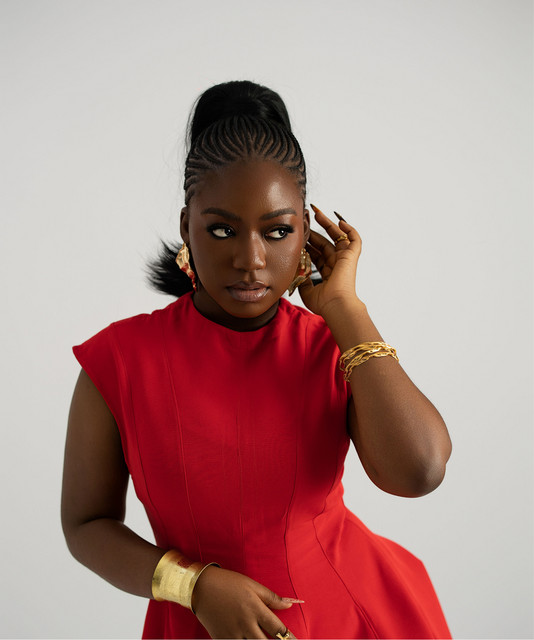
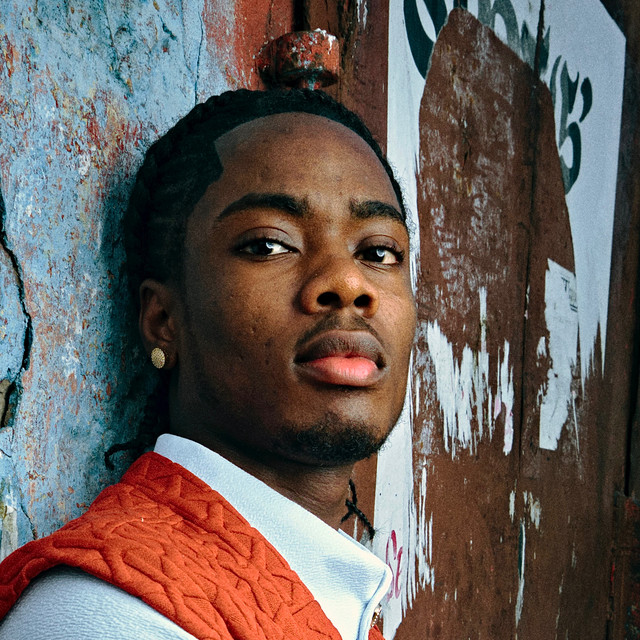
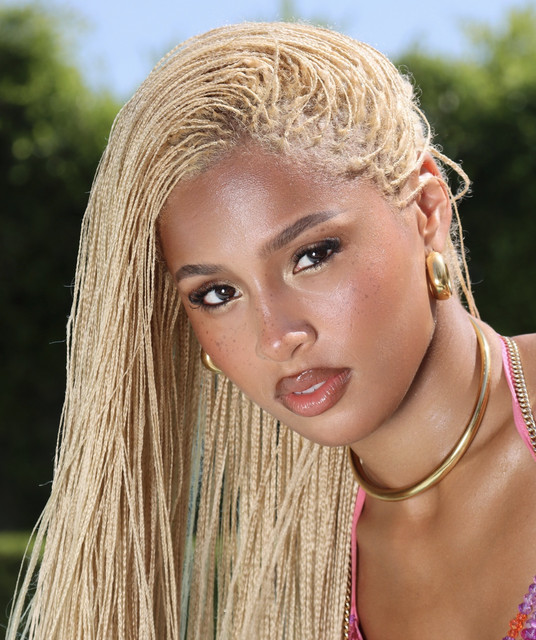
Showing 25 of 25 artists










About R&b afro
R&B Afro is a contemporary fusion that sits at the crossroads of smooth, vocal-driven R&B and the elastic, rhythm-forward energy of Afrobeat and related West African styles. It emphasizes soulful melodies, honeyed vocal tone, and lyrical intimacy, while anchoring those elements in percussion-driven backbeats that invite movement. The result is music that can float in late-night ambience or lock into dance-floor momentum, often within temperate tempos that suit both reflection and romance. The term isn't a rigid, codified genre with a single origin story; rather it's a descriptive umbrella that fans and journalists use to categorize a growing family of records that blend American R&B sensibilities with African rhythms and textures.
The current wave coalesced in the mid-2010s as Nigerian producers and singers began trading the older, purer R&B aesthetic for something more kinetic and globally legible. Afrobeat had already carved an international path, but artists started layering R&B-style vocal phrasing, harmonies, and bridge sections over Afro-leaning drum patterns, synths, and call-and-response choruses. In practice, R&B Afro can flip from a candlelit ballad to a danceable groove within a single project, often within the same track. The vibe also benefited from diaspora exchange: Nigerian and Ghanaian artists collaborating with US and UK writers and producers, yielding a cosmopolitan sound that travels easily online and on streaming playlists.
Musically, expect clean vocal hooks, velvet falsettos or light rasp in the delivery, and lyrical themes centered on love, longing, self-reflection, and relationships. Instrumentation ranges from lush piano chords and Rhodes textures to stuttering hi-hats and punchy kicks borrowed from Afrobeats. Production frequently emphasizes groove with interlocking percussion and basslines that feel both intimate and expansive. Tempo sits comfortably in the 90–110 BPM range, providing room for vocal agility while maintaining a rhythmic pulse that suits both slow jams and mid-tempo dance tracks.
Ambassadors and pioneer acts include Tiwa Savage, who helped mainstream Afro-R&B with accessible ballads and sultry up-tempo cuts; Simi, celebrated for her honeyed voice and Afro-soul sensibility; and Waje, whose expressive range carried R&B into Nigerian pop conversations. On the younger side, artists like Davido and Wizkid—while primarily associated with Afro-pop and modern Afrobeats—often thread R&B-influenced melodies into their slower songs, accelerating the cross-pollination. Producers and songwriters such as Don Jazzy and some of Lagos's beat-smiths have also been crucial in shaping the sonic blueprint by marrying warm harmonic writing with African percussion.
Geographically, Nigeria remains the fulcrum, with Ghana, Kenya, and South Africa picking up the torch as audiences crave more soulful, song-centric Afro-urban music. The genre also travels well to the UK, the United States, and Europe, where Afro-fusion and R&B have thriving streaming communities and festival circuits. In an era of cross-border collaborations, R&B Afro continues to evolve—absorbing trap textures, West African highlife, and even Latin rhythms—while maintaining a core emphasis on vocal storytelling and groove. As new producers emerge, the sound keeps evolving, inviting listeners to explore the subtle shades between soul and street rhythm. It remains a living, international conversation for fans and artists alike.
The current wave coalesced in the mid-2010s as Nigerian producers and singers began trading the older, purer R&B aesthetic for something more kinetic and globally legible. Afrobeat had already carved an international path, but artists started layering R&B-style vocal phrasing, harmonies, and bridge sections over Afro-leaning drum patterns, synths, and call-and-response choruses. In practice, R&B Afro can flip from a candlelit ballad to a danceable groove within a single project, often within the same track. The vibe also benefited from diaspora exchange: Nigerian and Ghanaian artists collaborating with US and UK writers and producers, yielding a cosmopolitan sound that travels easily online and on streaming playlists.
Musically, expect clean vocal hooks, velvet falsettos or light rasp in the delivery, and lyrical themes centered on love, longing, self-reflection, and relationships. Instrumentation ranges from lush piano chords and Rhodes textures to stuttering hi-hats and punchy kicks borrowed from Afrobeats. Production frequently emphasizes groove with interlocking percussion and basslines that feel both intimate and expansive. Tempo sits comfortably in the 90–110 BPM range, providing room for vocal agility while maintaining a rhythmic pulse that suits both slow jams and mid-tempo dance tracks.
Ambassadors and pioneer acts include Tiwa Savage, who helped mainstream Afro-R&B with accessible ballads and sultry up-tempo cuts; Simi, celebrated for her honeyed voice and Afro-soul sensibility; and Waje, whose expressive range carried R&B into Nigerian pop conversations. On the younger side, artists like Davido and Wizkid—while primarily associated with Afro-pop and modern Afrobeats—often thread R&B-influenced melodies into their slower songs, accelerating the cross-pollination. Producers and songwriters such as Don Jazzy and some of Lagos's beat-smiths have also been crucial in shaping the sonic blueprint by marrying warm harmonic writing with African percussion.
Geographically, Nigeria remains the fulcrum, with Ghana, Kenya, and South Africa picking up the torch as audiences crave more soulful, song-centric Afro-urban music. The genre also travels well to the UK, the United States, and Europe, where Afro-fusion and R&B have thriving streaming communities and festival circuits. In an era of cross-border collaborations, R&B Afro continues to evolve—absorbing trap textures, West African highlife, and even Latin rhythms—while maintaining a core emphasis on vocal storytelling and groove. As new producers emerge, the sound keeps evolving, inviting listeners to explore the subtle shades between soul and street rhythm. It remains a living, international conversation for fans and artists alike.