Genre
r&b
Top R&b Artists
Showing 25 of 132 artists

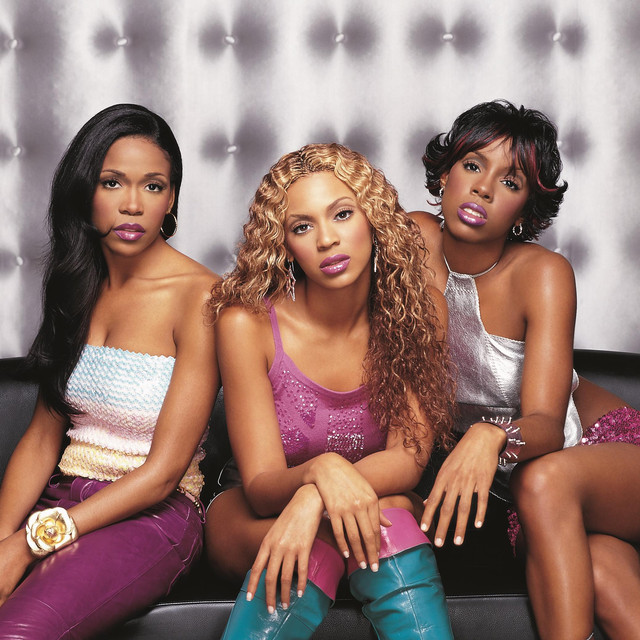
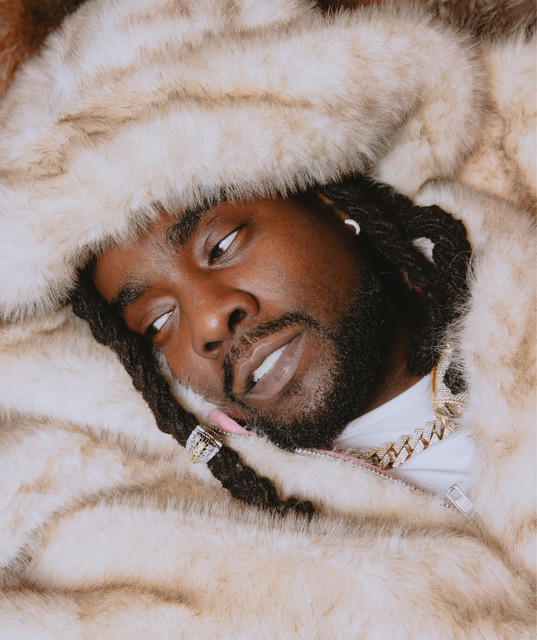
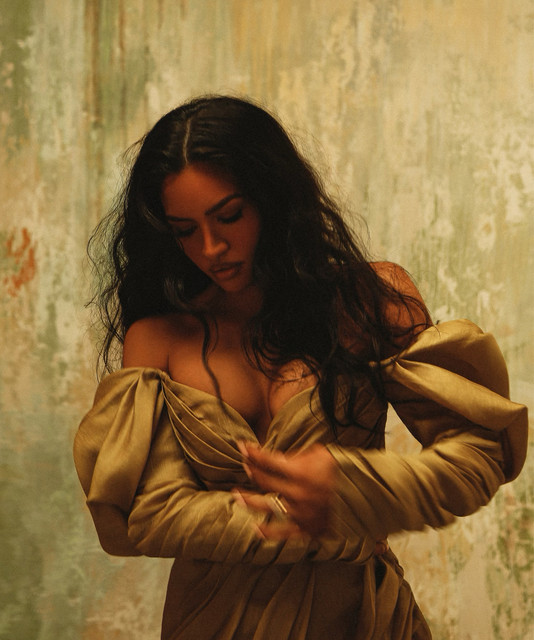
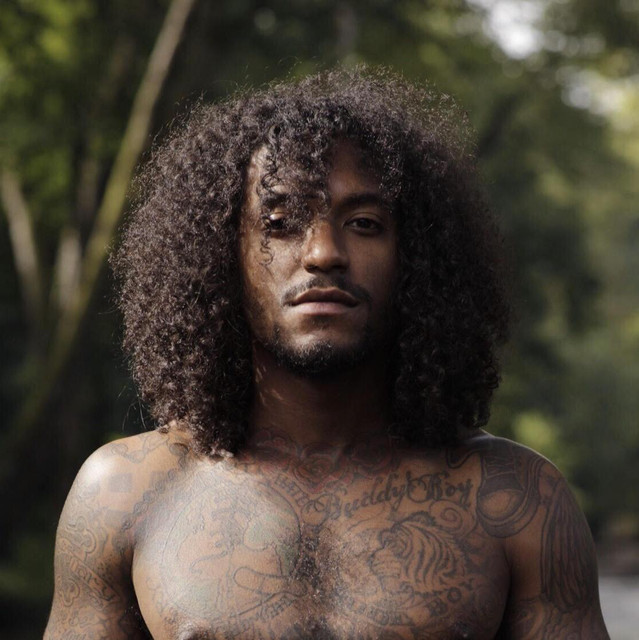
About R&b
Rhythm and Blues, commonly known as R&B, is a living thread in the fabric of modern popular music. It is not a single sound but a broad family of styles rooted in African American musical traditions, built from blues, jazz, gospel, and later soul. The term itself was popularized in the 1940s by Billboard to describe a new, club-friendly sound that combined swinging grooves with dominant vocal performance. From its birth in postwar urban centers, R&B grew with the city as its classroom— Detroit, New York, Chicago, and New Orleans shaping its language before it spread worldwide.
Originally, R&B emerged from the blues’s expressive bend and the gospel choir’s power, wrapped in swing-era swing and jump-blues propulsion. Early artists such as Louis Jordan, Ruth Brown, and Fats Domino helped define a danceable, electric feel. By the 1950s and early 1960s, the form absorbed the polish of secular vocal groups and the emotion of soul, evolving into a sound that could sit on the same bill with rock ’n’ roll and later become the backbone of “soul music.” The rise of Motown in the 1960s— with its polished arrangements, airtight harmonies, and crossover appeal—turned R&B into a global force, while artists like Ray Charles, Aretha Franklin, and Marvin Gaye fused gospel fervor with secular storytelling, pushing the genre into new emotional and musical territory.
In the 1970s and beyond, R&B fused with funk, disco, and later hip-hop, spawning subgenres such as quiet storm, neo-soul, and contemporary R&B. The 1980s brought glossy productions and the rise of new jack swing, blending hip-hop beats with R&B’s melodic sensibilities. The 1990s birthed a wave of artists—Mary J. Blige, Lauryn Hill, D’Angelo, Erykah Badu, Whitney Houston, and Usher—who refined the craft of vocal soul while embracing streetwise rhythms. The 2000s and 2010s expanded the spectrum further with artists like Beyoncé, Alicia Keys, Brandy, Ne-Yo, Frank Ocean, The Weeknd, H.E.R., and many others who blend intimate lyricism with cutting-edge production. Across decades, R&B has remained a vehicle for intimate storytelling—love, heartbreak, resilience, and social reflection—often delivered through velvety vocals and groove-driven instrumentation.
What makes R&B distinct is its emphasis on vocal nuance and groove as the emotional engine. Songs tend to foreground melodic storytelling—lush harmonies, expressive bends, and a rhythm section that blends swing, funk, and hip-hop-influenced beats. Production ranges from warm, analog-sounding arrangements to sleek, minimalist textures, but the core is always a strong sense of rhythm paired with melodic vocal delivery.
Geographically, R&B started in the United States and remains strongest there, but it has a robust, worldwide footprint. It maintains especially strong followings in the United Kingdom, Canada, and parts of Europe, with growing scenes in Africa, Japan, the Philippines, and parts of Asia and Latin America. In today’s streaming era, R&B thrives as a global language—constantly renewed by new voices while preserving its centuries-long tradition of emotional honesty and musical sophistication. For enthusiasts, R&B is a living archive and a forward-looking canvas, continually redefining what soulful, groove-driven music can be.
Originally, R&B emerged from the blues’s expressive bend and the gospel choir’s power, wrapped in swing-era swing and jump-blues propulsion. Early artists such as Louis Jordan, Ruth Brown, and Fats Domino helped define a danceable, electric feel. By the 1950s and early 1960s, the form absorbed the polish of secular vocal groups and the emotion of soul, evolving into a sound that could sit on the same bill with rock ’n’ roll and later become the backbone of “soul music.” The rise of Motown in the 1960s— with its polished arrangements, airtight harmonies, and crossover appeal—turned R&B into a global force, while artists like Ray Charles, Aretha Franklin, and Marvin Gaye fused gospel fervor with secular storytelling, pushing the genre into new emotional and musical territory.
In the 1970s and beyond, R&B fused with funk, disco, and later hip-hop, spawning subgenres such as quiet storm, neo-soul, and contemporary R&B. The 1980s brought glossy productions and the rise of new jack swing, blending hip-hop beats with R&B’s melodic sensibilities. The 1990s birthed a wave of artists—Mary J. Blige, Lauryn Hill, D’Angelo, Erykah Badu, Whitney Houston, and Usher—who refined the craft of vocal soul while embracing streetwise rhythms. The 2000s and 2010s expanded the spectrum further with artists like Beyoncé, Alicia Keys, Brandy, Ne-Yo, Frank Ocean, The Weeknd, H.E.R., and many others who blend intimate lyricism with cutting-edge production. Across decades, R&B has remained a vehicle for intimate storytelling—love, heartbreak, resilience, and social reflection—often delivered through velvety vocals and groove-driven instrumentation.
What makes R&B distinct is its emphasis on vocal nuance and groove as the emotional engine. Songs tend to foreground melodic storytelling—lush harmonies, expressive bends, and a rhythm section that blends swing, funk, and hip-hop-influenced beats. Production ranges from warm, analog-sounding arrangements to sleek, minimalist textures, but the core is always a strong sense of rhythm paired with melodic vocal delivery.
Geographically, R&B started in the United States and remains strongest there, but it has a robust, worldwide footprint. It maintains especially strong followings in the United Kingdom, Canada, and parts of Europe, with growing scenes in Africa, Japan, the Philippines, and parts of Asia and Latin America. In today’s streaming era, R&B thrives as a global language—constantly renewed by new voices while preserving its centuries-long tradition of emotional honesty and musical sophistication. For enthusiasts, R&B is a living archive and a forward-looking canvas, continually redefining what soulful, groove-driven music can be.