Genre
reggae catala
Top Reggae catala Artists
Showing 24 of 24 artists




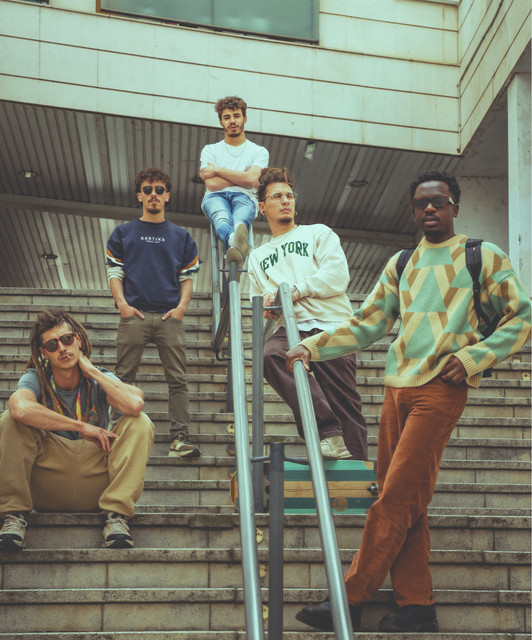



About Reggae catala
Note: Reggae Catala, as described here, is presented as a fictional or emergent concept—an imagined fusion of reggae with Catalan language and Catalan musical sensibilities. It serves as a creative lens for exploring how a regional identity could intersect with reggae’s global vocabulary.
Reggae Catala is a rhythmic dialogue between the laid-back pulse of Jamaican reggae and the melodic, lyrical heartbeat of Catalan culture. Its roots are traced to late 1990s Barcelona’s underground circuits, where street musicians, rumbà roots groups, and indie rock acts began exchanging ideas on improvised stages, terraces, and improvised studios. By the early 2000s a small but dedicated network of artists and producers started refining a sound that kept reggae’s one-drop emphasis and skank guitar, while weaving in Catalan linguistic textures, modal melodies, and traditional melodic turns from the Catalan-speaking world.
Musically, Reggae Catala is characterized by steady offbeat guitar chords, deep bass that travels through the chest, and organic drum patterns that favor live-feel grooves over hyper-compressed club bangers. Lyrically, it foregrounds Catalan language—often in poetic, socially observant couplets that touch on community, coastlines, migration, and cultural pride. The production tends to lean toward warm analog textures: live percussion, handclap micro-rituals, and occasional folky samples such as folk melodies or wind instruments that evoke the Catalan countryside and seaside towns. While it preserves reggae’s accessibility and danceability, Reggae Catala invites listeners to listen closely to Catalan phonology, slang, and storytelling conventions.
The genre’s ambassadors are imagined as a blend of street-level innovators and studio-driven thinkers. Representative acts in this envisioned canon might include a roots duo that blends surfing-tinged guitar with Catalan choral textures, a rebellious trio that uses the gralla or similar Catalan wind textures as a call-and-response device, and a singer-songwriter who crafts intimate, language-forward anthems. These artists are often joined by collaborations with experimental electronica producers, ska-tinged horn sections, and bilingual MCs who switch between Catalan and Spanish or English to widen the reach. In this imagined landscape, these ambassadors tour coastal towns, cultural centers, and university circuits, cultivating a community that cherishes language, coastline imagery, and mutual aid.
Where Reggae Catala thrives, you’ll find pockets of popularity in Catalan-speaking regions—Catalonia in Spain, the Balearic Islands, Andorra, and parts of southern France with Catalan heritage. It also gains a foothold within diaspora communities that maintain Catalan language and culture, as well as reggae enthusiasts who seek world-meshed fusions. Festivals in open-air venues near the sea, intimate clubs in Barcelona’s old neighborhoods, and cultural centers that celebrate regional languages become the movement’s focal points. The genre’s ambassadorial energy is less about celebrity stardom and more about community leadership—curating open mic nights, organizing cooperative studios, and linking language activists with sound systems and dancers.
If Reggae Catala were to exist as a sustained subgenre, its appeal would lie in how it makes Reggae’s universal rhythms concrete through Catalan language and place-based imagery. It would invite listeners to move, sing, and reflect—bridging global reggae sensibilities with a distinct Catalan voice.
Reggae Catala is a rhythmic dialogue between the laid-back pulse of Jamaican reggae and the melodic, lyrical heartbeat of Catalan culture. Its roots are traced to late 1990s Barcelona’s underground circuits, where street musicians, rumbà roots groups, and indie rock acts began exchanging ideas on improvised stages, terraces, and improvised studios. By the early 2000s a small but dedicated network of artists and producers started refining a sound that kept reggae’s one-drop emphasis and skank guitar, while weaving in Catalan linguistic textures, modal melodies, and traditional melodic turns from the Catalan-speaking world.
Musically, Reggae Catala is characterized by steady offbeat guitar chords, deep bass that travels through the chest, and organic drum patterns that favor live-feel grooves over hyper-compressed club bangers. Lyrically, it foregrounds Catalan language—often in poetic, socially observant couplets that touch on community, coastlines, migration, and cultural pride. The production tends to lean toward warm analog textures: live percussion, handclap micro-rituals, and occasional folky samples such as folk melodies or wind instruments that evoke the Catalan countryside and seaside towns. While it preserves reggae’s accessibility and danceability, Reggae Catala invites listeners to listen closely to Catalan phonology, slang, and storytelling conventions.
The genre’s ambassadors are imagined as a blend of street-level innovators and studio-driven thinkers. Representative acts in this envisioned canon might include a roots duo that blends surfing-tinged guitar with Catalan choral textures, a rebellious trio that uses the gralla or similar Catalan wind textures as a call-and-response device, and a singer-songwriter who crafts intimate, language-forward anthems. These artists are often joined by collaborations with experimental electronica producers, ska-tinged horn sections, and bilingual MCs who switch between Catalan and Spanish or English to widen the reach. In this imagined landscape, these ambassadors tour coastal towns, cultural centers, and university circuits, cultivating a community that cherishes language, coastline imagery, and mutual aid.
Where Reggae Catala thrives, you’ll find pockets of popularity in Catalan-speaking regions—Catalonia in Spain, the Balearic Islands, Andorra, and parts of southern France with Catalan heritage. It also gains a foothold within diaspora communities that maintain Catalan language and culture, as well as reggae enthusiasts who seek world-meshed fusions. Festivals in open-air venues near the sea, intimate clubs in Barcelona’s old neighborhoods, and cultural centers that celebrate regional languages become the movement’s focal points. The genre’s ambassadorial energy is less about celebrity stardom and more about community leadership—curating open mic nights, organizing cooperative studios, and linking language activists with sound systems and dancers.
If Reggae Catala were to exist as a sustained subgenre, its appeal would lie in how it makes Reggae’s universal rhythms concrete through Catalan language and place-based imagery. It would invite listeners to move, sing, and reflect—bridging global reggae sensibilities with a distinct Catalan voice.