Genre
reggae cover
Top Reggae cover Artists
Showing 9 of 9 artists
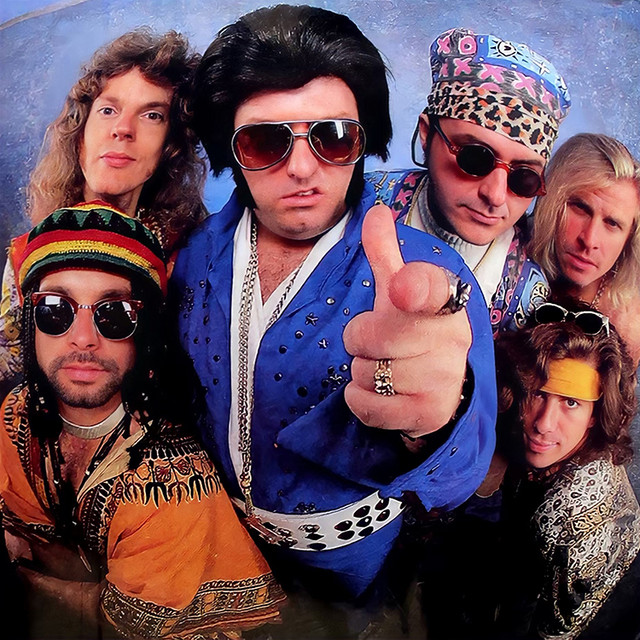



About Reggae cover
Reggae cover is a playful, genre-blending practice in which songs—often outside the reggae repertoire—are reimagined with reggae’s skanking guitar, offbeat drums, and bass-driven pulse. It sits at the intersection of reggae’s rugged storytelling and pop’s familiarity, offering both the warmth of Jamaican groove and the instant recognizability of a well-known melody. For enthusiasts, reggae covers are a doorway into how rhythm can bend and refract other genres while staying true to reggae’s core feel.
Reggae itself emerged in the late 1960s in Kingston, taking form from ska and rocksteady and evolving into a worldwide movement through the 1970s. By then, a generation of producers and vocalists turned to covers as a way to bring new audiences into reggae, translating soul, R&B, and pop choruses into the reggae rhythm. The sound traveled with Jamaican immigrants and sound systems, crossing oceans and opening clubs from Kingston to London. This cross-pollination helped establish reggae as a flexible language capable of speaking across borders, ages, and tastes.
One clear signal that reggae cover had become its own tradition was UB40’s Labour of Love series, started in the 1980s. This UK-based band built a career on reggae renditions of classic songs—Neil Diamond’s Red Red Wine became a global hit in 1983, and their reggae treatment of Elvis- and soul-influenced material became a template for many listeners. The Labour of Love albums helped standardize a formula: faithful melodic sense, a tight reggae rhythm, and production that preserves the original hook while letting the offbeat guitar and bass lead the groove. The approach also inspired countless contemporaries to explore reggae-inflected covers, from roots-oriented groups to pop-adjacent acts, and it opened the door for independent artists to experiment with familiar tunes in new skins.
Key ambassadors of reggae cover—within the broader reggae world—include not only UB40 but also the robust pattern of reggae as a global bridge. Bob Marley, though primarily famous for original reggae anthems, embodies the genre’s worldwide potential and its capacity to reinterpret other kinds of music through a reggae lens. In later decades, the proliferation of digital platforms legitimized a new wave of artists who release reggae-tinged versions of chart tunes, movie songs, and old standards, turning the reggae cover into a recognizable subgenre of its own. Today, YouTube, streaming services, and social media have democratized the form, allowing both seasoned reggae players and ambitious newcomers to reimagine hits with a reggae stamp.
In terms of geography, reggae covers have found especially fertile ground in Jamaica—the cradle of the rhythm—and in the United Kingdom, where reggae’s veteran sound systems and pop-savvy audiences created a perpetual market for these renditions. They also have a strong presence in the United States and much of Europe, with platforms that amplify both classic-era takes and contemporary experiments. In Latin America, Africa, and beyond, local artists adopt reggae’s cadence to reimagine familiar melodies, yielding a cross-cultural tapestry of reggae covers that celebrate rhythm as a universal language.
Whether you approach reggae covers as nostalgic reinterpretations or as fresh genre-crossovers, they highlight reggae’s core strengths: a nimble rhythm section, melodic flexibility, and a spirit of playful musical dialogue with the wider pop and rock canon.
Reggae itself emerged in the late 1960s in Kingston, taking form from ska and rocksteady and evolving into a worldwide movement through the 1970s. By then, a generation of producers and vocalists turned to covers as a way to bring new audiences into reggae, translating soul, R&B, and pop choruses into the reggae rhythm. The sound traveled with Jamaican immigrants and sound systems, crossing oceans and opening clubs from Kingston to London. This cross-pollination helped establish reggae as a flexible language capable of speaking across borders, ages, and tastes.
One clear signal that reggae cover had become its own tradition was UB40’s Labour of Love series, started in the 1980s. This UK-based band built a career on reggae renditions of classic songs—Neil Diamond’s Red Red Wine became a global hit in 1983, and their reggae treatment of Elvis- and soul-influenced material became a template for many listeners. The Labour of Love albums helped standardize a formula: faithful melodic sense, a tight reggae rhythm, and production that preserves the original hook while letting the offbeat guitar and bass lead the groove. The approach also inspired countless contemporaries to explore reggae-inflected covers, from roots-oriented groups to pop-adjacent acts, and it opened the door for independent artists to experiment with familiar tunes in new skins.
Key ambassadors of reggae cover—within the broader reggae world—include not only UB40 but also the robust pattern of reggae as a global bridge. Bob Marley, though primarily famous for original reggae anthems, embodies the genre’s worldwide potential and its capacity to reinterpret other kinds of music through a reggae lens. In later decades, the proliferation of digital platforms legitimized a new wave of artists who release reggae-tinged versions of chart tunes, movie songs, and old standards, turning the reggae cover into a recognizable subgenre of its own. Today, YouTube, streaming services, and social media have democratized the form, allowing both seasoned reggae players and ambitious newcomers to reimagine hits with a reggae stamp.
In terms of geography, reggae covers have found especially fertile ground in Jamaica—the cradle of the rhythm—and in the United Kingdom, where reggae’s veteran sound systems and pop-savvy audiences created a perpetual market for these renditions. They also have a strong presence in the United States and much of Europe, with platforms that amplify both classic-era takes and contemporary experiments. In Latin America, Africa, and beyond, local artists adopt reggae’s cadence to reimagine familiar melodies, yielding a cross-cultural tapestry of reggae covers that celebrate rhythm as a universal language.
Whether you approach reggae covers as nostalgic reinterpretations or as fresh genre-crossovers, they highlight reggae’s core strengths: a nimble rhythm section, melodic flexibility, and a spirit of playful musical dialogue with the wider pop and rock canon.