Genre
reggae maghreb
Top Reggae maghreb Artists
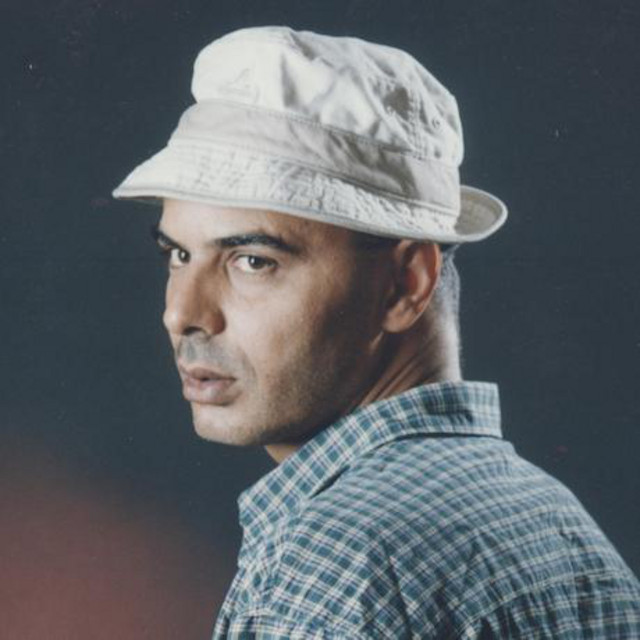
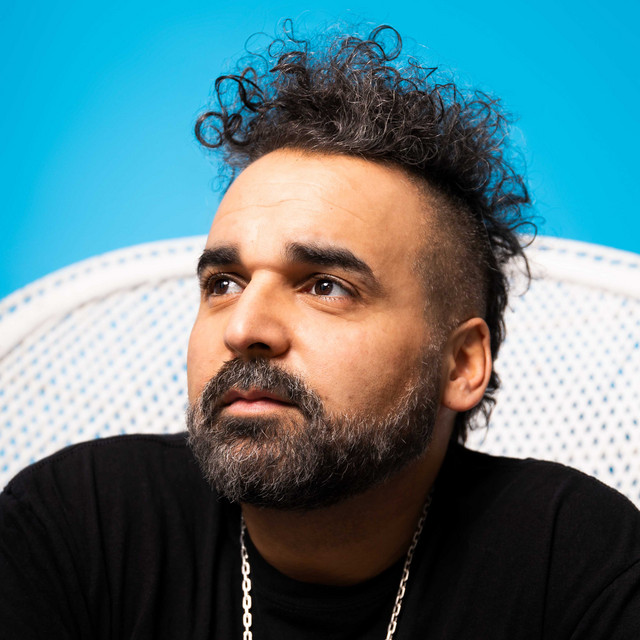
Showing 6 of 6 artists


About Reggae maghreb
Reggae Maghreb is a sun-warmed crossroads where Jamaican reggae’s steady groove meets the Maghrebi soundscape. It’s not a single fixed style so much as a family of scenes in Morocco, Tunisia, Algeria, and the sprawling Maghrebi diaspora that share a reggae core while weaving Gnawa and chaabi, raï and Amazigh melodies, into the mix. The result is music that speaks to the street and the club alike, with a warmth that invites dancing and a social conscience that invites listening.
Birth and evolution: The seed of Reggae Maghreb was planted in the late 1990s and early 2000s, as North African musicians living in their home cities and abroad began to experiment with reggae as a vehicle for social critique, memory, and hope. In Morocco and Tunisia, bands and collectives started fusing the driving forwardness of reggae with Gnawa trance patterns, chaabi rhythms, and modal, North African melodic sensibilities. Across the Mediterranean, Francophone and Maghrebi scenes in France, Belgium, and the Netherlands absorbed the music and fed it back into studio experiments and club nights. By the 2010s, festivals across Rabat, Casablanca, Tunis, Algiers, and major European capitals were presenting acts that could anchor a crowd with a reggae bass and simultaneously weave Darija, Tunisian Arabic, or French into the vocal lines. The sound diversified as artists mixed electronic textures with traditional percussion and live improvisation.
Sound and language: Reggae Maghreb tends to emphasize a deep groove and a prominent bassline, with the classic reggae drum-and-guitar backbone. Yet it breathes with percussive accents—from darbuka and bendir to electronic pads—that nod to regional rhythms. Melodic lines might glide with oud- or oud-like figures, while vocal phrasing trades in call-and-response that feels both familiar to reggae fans and distinctively Nord-African in timbre and cadence. Lyrically, songs can address labor rights, displacement, political resilience, memory, and communal joy. The vocabulary travels across linguistic borders, often mixing Arabic dialects (Darija or TunisianArabic), French, and Amazigh phrases, reflecting the multilingual realities of Maghrebi life.
Geography and reach: Morocco stands out as a central hub, with many long-running bands, reggae hosting venues, and radio shows that keep the scene active. Tunisia and Algeria contribute potent, sometimes more electronically edged strands that push the genre toward dub, techno-infused rhythms, and experimental production. The Maghrebi diaspora in France, Belgium, the Netherlands, and Spain acts as a vital bridge, enabling cross-country collaborations, tours, and festival appearances that weave together diverse audiences. In recent years, Reggae Maghreb has extended its reach into broader world music circuits, attracting collaborations with reggae, hip-hop, and electronic artists and feeding back into local communities with workshops and youth-centered events.
Ambassadors and driving force: Critics often point to pioneering acts and organizers from Casablanca, Rabat, Tunis, and Algiers as early ambassadors who planted reggae in their local scenes. A newer wave—originating from Marrakech, Oran, and the European Maghrebi circuits—keeps the dialogue alive through cross-continental collaborations and increasingly diverse festival lineups. The result is not a single sound but a living, evolving tapestry—sunny and groove-forward, politically engaged, and endlessly danceable.
If you’d like, I can tailor this with specific artist names, key tracks, and festival references to match a particular sub-scene or release window.
Birth and evolution: The seed of Reggae Maghreb was planted in the late 1990s and early 2000s, as North African musicians living in their home cities and abroad began to experiment with reggae as a vehicle for social critique, memory, and hope. In Morocco and Tunisia, bands and collectives started fusing the driving forwardness of reggae with Gnawa trance patterns, chaabi rhythms, and modal, North African melodic sensibilities. Across the Mediterranean, Francophone and Maghrebi scenes in France, Belgium, and the Netherlands absorbed the music and fed it back into studio experiments and club nights. By the 2010s, festivals across Rabat, Casablanca, Tunis, Algiers, and major European capitals were presenting acts that could anchor a crowd with a reggae bass and simultaneously weave Darija, Tunisian Arabic, or French into the vocal lines. The sound diversified as artists mixed electronic textures with traditional percussion and live improvisation.
Sound and language: Reggae Maghreb tends to emphasize a deep groove and a prominent bassline, with the classic reggae drum-and-guitar backbone. Yet it breathes with percussive accents—from darbuka and bendir to electronic pads—that nod to regional rhythms. Melodic lines might glide with oud- or oud-like figures, while vocal phrasing trades in call-and-response that feels both familiar to reggae fans and distinctively Nord-African in timbre and cadence. Lyrically, songs can address labor rights, displacement, political resilience, memory, and communal joy. The vocabulary travels across linguistic borders, often mixing Arabic dialects (Darija or TunisianArabic), French, and Amazigh phrases, reflecting the multilingual realities of Maghrebi life.
Geography and reach: Morocco stands out as a central hub, with many long-running bands, reggae hosting venues, and radio shows that keep the scene active. Tunisia and Algeria contribute potent, sometimes more electronically edged strands that push the genre toward dub, techno-infused rhythms, and experimental production. The Maghrebi diaspora in France, Belgium, the Netherlands, and Spain acts as a vital bridge, enabling cross-country collaborations, tours, and festival appearances that weave together diverse audiences. In recent years, Reggae Maghreb has extended its reach into broader world music circuits, attracting collaborations with reggae, hip-hop, and electronic artists and feeding back into local communities with workshops and youth-centered events.
Ambassadors and driving force: Critics often point to pioneering acts and organizers from Casablanca, Rabat, Tunis, and Algiers as early ambassadors who planted reggae in their local scenes. A newer wave—originating from Marrakech, Oran, and the European Maghrebi circuits—keeps the dialogue alive through cross-continental collaborations and increasingly diverse festival lineups. The result is not a single sound but a living, evolving tapestry—sunny and groove-forward, politically engaged, and endlessly danceable.
If you’d like, I can tailor this with specific artist names, key tracks, and festival references to match a particular sub-scene or release window.