Genre
reggaeton mexa
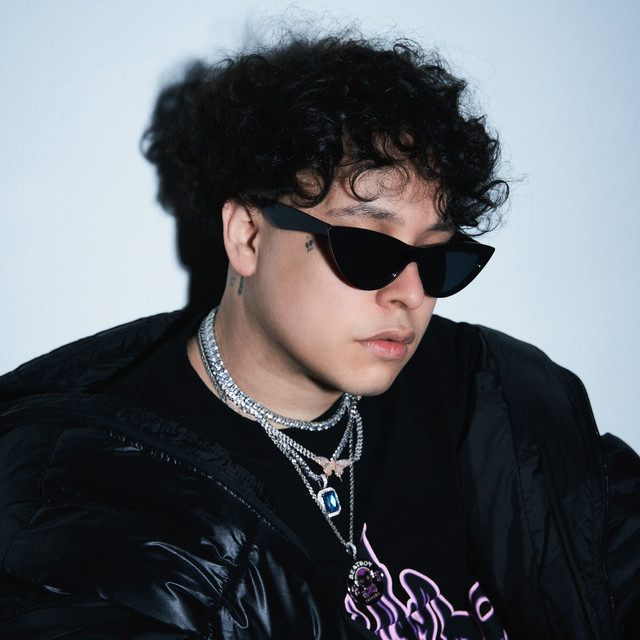
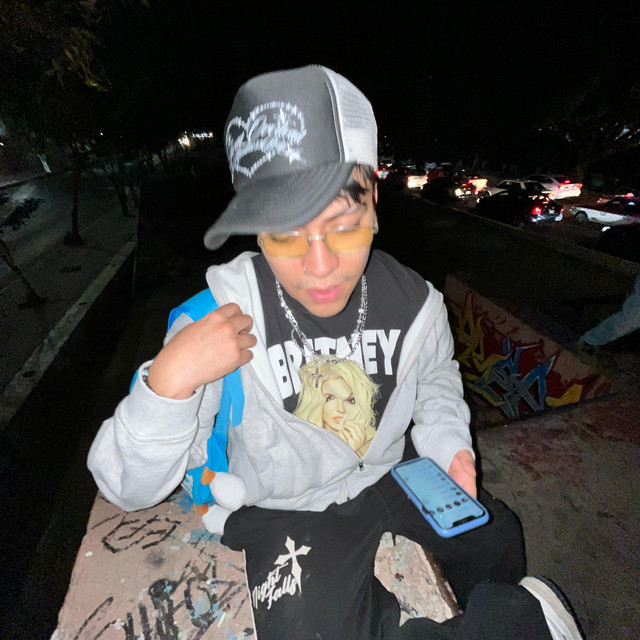
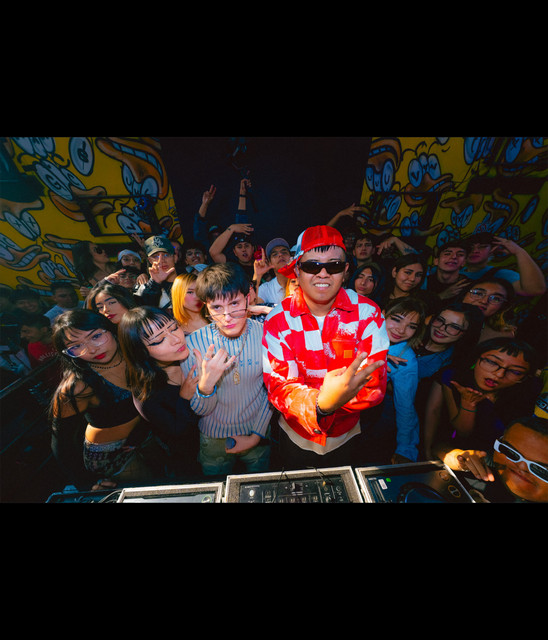
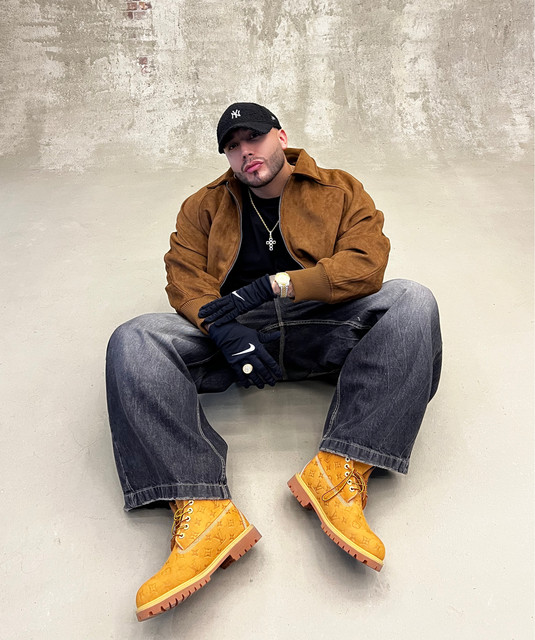
Top Reggaeton mexa Artists
Showing 25 of 667 artists









About Reggaeton mexa
Reggaeton mexa is a contemporary Mexican offshoot of reggaeton that folds the genre’s pirouettes of rhythm with distinctly Mexican musical and lyrical sensibilities. It preserves the signature Dem Bow pulse and club-friendly bass of reggaeton while inviting corridos tumbados cadences, norteño-inspired guitar lines, mariachi brass textures, and bilingual wordplay. The result is a danceable, sonically hybrid voice that speaks to urban Mexican life as well as to broader Latinx audiences who crave a local flavor in a global sound.
The birth of reggaeton itself traces to Puerto Rico in the late 1990s, where dancehall-infused rhythms met hip hop and Latin Caribbean flavors. Over the next decade, it exploded across Latin America and the Spanish-speaking world, with emblematic artists like Daddy Yankee, Don Omar, Tego Calderón, Ivy Queen, and later Wisin & Yandel and Nicky Jam helping to codify a distinctly reggaeton aesthetic. Reggaeton mexa emerges as a natural outgrowth of this global movement: Mexican producers and artists began twisting the Dem Bow beat with regional genres, slang, and cultural references, creating textures that felt immediately familiar to Mexican listeners while remaining dancefloor-friendly for international audiences. By the 2010s, streaming platforms accelerated cross-border collaborations, and Mexican cities—Mexico City, Guadalajara, Monterrey, and beyond—became hotbeds for the sound’s experimentation.
What distinguishes reggaeton mexa is its sonic vocabulary. In production, you’ll hear a core reggaeton tempo—tight 90-something BPM—pushed through guitar-driven hooks, accordion bursts, trumpet accents, and sometimes synth-driven melodies reminiscent of traditional ranchera, banda, or mariachi arrangements. Vocals may switch between street Spanish, regional slang, and occasional bilingual lines, reflecting a hybrid urban identity. Lyrically, the themes range from flirtation and nightlife to street-smart storytelling, social commentary, and personal ambition, all filtered through a distinctly Mexican lens. The genre thrives on collaboration, with producers and artists drawing on Mexico’s rich regional sounds while keeping one foot in the reggaeton tradition, making it both globally legible and locally resonant.
In terms of influence and reach, reggaeton mexa has found its strongest footing in Mexico, undoubtedly, but its appeal stretches to the United States—especially in cities with large Mexican and Latinx communities—along with Spain and other Latin American markets. It’s common to encounter Mexican acts collaborating with international reggaeton stars, a trend that helps propel the sound onto festival stages and radio playlists far beyond national borders. Globally, reggaeton remains anchored by flagship ambassadors such as Daddy Yankee, Bad Bunny, J Balvin, Karol G, and Don Omar, who continue to shape the genre’s trajectory; reggaeton mexa sits within that larger ecosystem as a culturally specific evolution that tests boundaries and expands the audience for Latin urban music.
For enthusiasts, reggaeton mexa is more than a beat with a Mexican stamp; it’s a movement that foregrounds local identity inside a cosmopolitan framework. It invites you to listen for how Mexican regional flavors reinterpret a universal dance beat, and to celebrate the way borders blur when music speaks the same language—rhythm, groove, and the democratic joy of dancing.
The birth of reggaeton itself traces to Puerto Rico in the late 1990s, where dancehall-infused rhythms met hip hop and Latin Caribbean flavors. Over the next decade, it exploded across Latin America and the Spanish-speaking world, with emblematic artists like Daddy Yankee, Don Omar, Tego Calderón, Ivy Queen, and later Wisin & Yandel and Nicky Jam helping to codify a distinctly reggaeton aesthetic. Reggaeton mexa emerges as a natural outgrowth of this global movement: Mexican producers and artists began twisting the Dem Bow beat with regional genres, slang, and cultural references, creating textures that felt immediately familiar to Mexican listeners while remaining dancefloor-friendly for international audiences. By the 2010s, streaming platforms accelerated cross-border collaborations, and Mexican cities—Mexico City, Guadalajara, Monterrey, and beyond—became hotbeds for the sound’s experimentation.
What distinguishes reggaeton mexa is its sonic vocabulary. In production, you’ll hear a core reggaeton tempo—tight 90-something BPM—pushed through guitar-driven hooks, accordion bursts, trumpet accents, and sometimes synth-driven melodies reminiscent of traditional ranchera, banda, or mariachi arrangements. Vocals may switch between street Spanish, regional slang, and occasional bilingual lines, reflecting a hybrid urban identity. Lyrically, the themes range from flirtation and nightlife to street-smart storytelling, social commentary, and personal ambition, all filtered through a distinctly Mexican lens. The genre thrives on collaboration, with producers and artists drawing on Mexico’s rich regional sounds while keeping one foot in the reggaeton tradition, making it both globally legible and locally resonant.
In terms of influence and reach, reggaeton mexa has found its strongest footing in Mexico, undoubtedly, but its appeal stretches to the United States—especially in cities with large Mexican and Latinx communities—along with Spain and other Latin American markets. It’s common to encounter Mexican acts collaborating with international reggaeton stars, a trend that helps propel the sound onto festival stages and radio playlists far beyond national borders. Globally, reggaeton remains anchored by flagship ambassadors such as Daddy Yankee, Bad Bunny, J Balvin, Karol G, and Don Omar, who continue to shape the genre’s trajectory; reggaeton mexa sits within that larger ecosystem as a culturally specific evolution that tests boundaries and expands the audience for Latin urban music.
For enthusiasts, reggaeton mexa is more than a beat with a Mexican stamp; it’s a movement that foregrounds local identity inside a cosmopolitan framework. It invites you to listen for how Mexican regional flavors reinterpret a universal dance beat, and to celebrate the way borders blur when music speaks the same language—rhythm, groove, and the democratic joy of dancing.