Genre
regional mexicano femenil
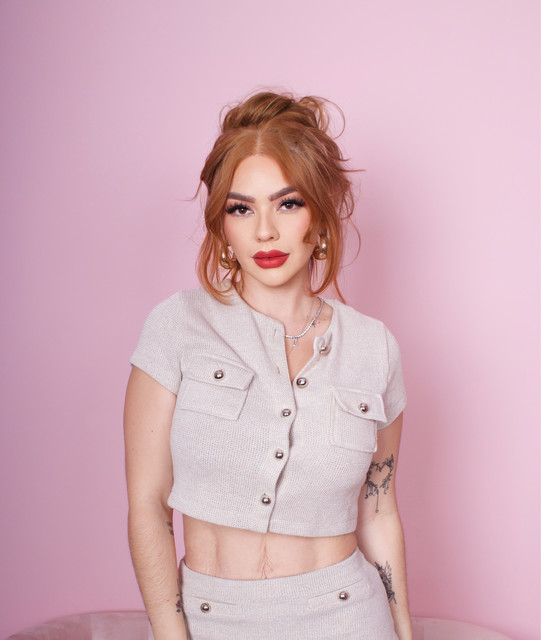
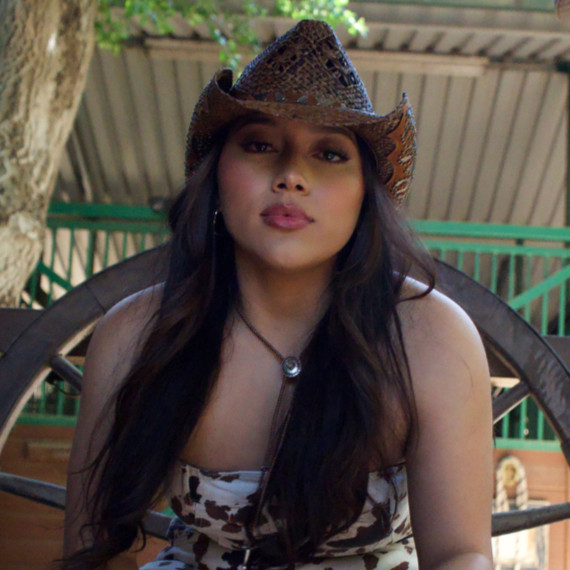
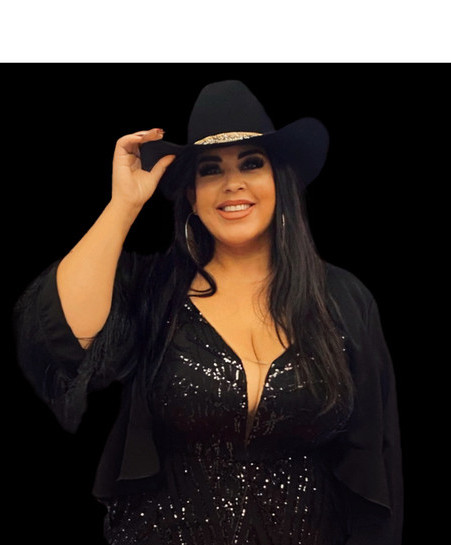
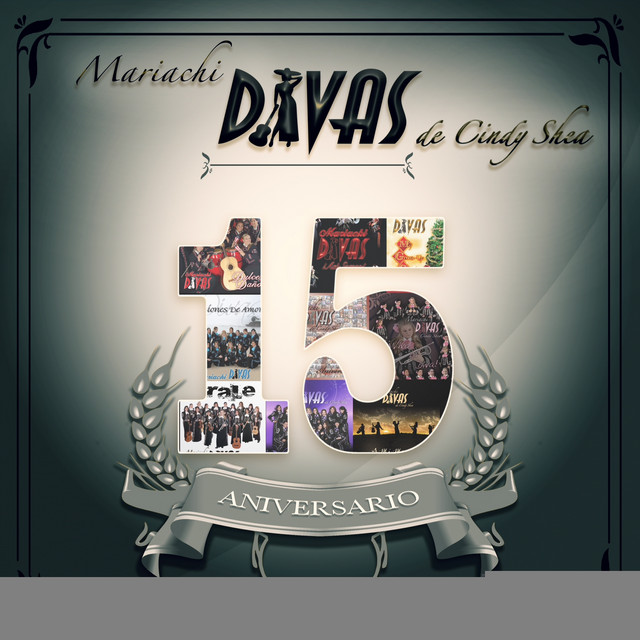
Top Regional mexicano femenil Artists
Showing 15 of 15 artists







About Regional mexicano femenil
Regional mexicano femenil is the vibrant, evolving strand of regional Mexican music performed and led by women. It spans subgenres such as mariachi, ranchera, banda, norteño, and corridos, but what unites it is the presence of fearless female voices shaping the repertoire, aesthetics, and storytelling of the scene. The result is a sound that can be deeply traditional and también daringly modern, inviting a broad spectrum of listeners to celebrate craft, emotion, and cultural identity.
Historically, women have always been part of regional Mexican music, but the modern wave of femenil artists began to rise more visibly in the late 20th and early 21st centuries. Before the 1990s, the genre’s public stage was dominated by male vocalists and groups; yet icons such as Lola Beltrán, Flor Silvestre, and Paquita la del Barrio helped pave the way with powerful interpretations of rancheras and corridos that centered female agency, humor, and resilience. The contemporary femenil movement builds on that legacy, expanding the sonic palette and pushing the boundaries of what regional Mexican can express.
In the 1990s and 2000s, artists like Jenni Rivera and Ana Bárbara became emblematic figures, bringing banda, norteño, and grupera into broader media attention and redefining stardom for women within the genre. Jenni Rivera—often heralded as “La Diva de la Banda”—combined powerhouse vocal technique with a fearless personal narrative, drawing millions of fans across the United States and Mexico. Ana Bárbara established herself as a commanding voice in the Norteño-Banda spectrum, blending emotive ballads with assertive anthems about love, independence, and life’s challenges. Their success helped create a viable path for younger generations of female performers.
Today, the femenil wave is visible across generations. Artists such as Aída Cuevas and Paquita la del Barrio remain touchstones for traditional ranchera and feminist anthems, while contemporary stars like Lila Downs fuse regional Mexican with folk, Indigenous rhythms, and global textures, widening the genre’s cultural conversation. Angela Aguilar represents the nueva generación, carrying the family legacy into the streaming era with a confident, polished sound that honors roots while inviting new listeners. Other rising voices—Chiquis Rivera, Majo Aguilar, and other young performers—continue to diversify the repertoire, from corridos to romantic ballads and beyond, ensuring that mujer-led regional Mexican remains dynamic and relevant.
Regional mexicano femenil is especially popular in Mexico and the United States, where large Mexican and Mexican-American audiences drive radio, festivals, and streaming. It also resonates with diasporas across Central America and parts of Europe, where fans connect through shared cultural memory and contemporary reinterpretations of classic songs. The genre’s appeal lies in its emotional intensity, storytelling clarity, and a sense of community—qualities that female artists emphasize through intimate vocal delivery, feminist reframing, and collaborative storytelling. In short, regional mexicano femenil is a living, breathing movement that honors tradition while pushing the genre toward broader representation, innovation, and cross-border resonance.
Historically, women have always been part of regional Mexican music, but the modern wave of femenil artists began to rise more visibly in the late 20th and early 21st centuries. Before the 1990s, the genre’s public stage was dominated by male vocalists and groups; yet icons such as Lola Beltrán, Flor Silvestre, and Paquita la del Barrio helped pave the way with powerful interpretations of rancheras and corridos that centered female agency, humor, and resilience. The contemporary femenil movement builds on that legacy, expanding the sonic palette and pushing the boundaries of what regional Mexican can express.
In the 1990s and 2000s, artists like Jenni Rivera and Ana Bárbara became emblematic figures, bringing banda, norteño, and grupera into broader media attention and redefining stardom for women within the genre. Jenni Rivera—often heralded as “La Diva de la Banda”—combined powerhouse vocal technique with a fearless personal narrative, drawing millions of fans across the United States and Mexico. Ana Bárbara established herself as a commanding voice in the Norteño-Banda spectrum, blending emotive ballads with assertive anthems about love, independence, and life’s challenges. Their success helped create a viable path for younger generations of female performers.
Today, the femenil wave is visible across generations. Artists such as Aída Cuevas and Paquita la del Barrio remain touchstones for traditional ranchera and feminist anthems, while contemporary stars like Lila Downs fuse regional Mexican with folk, Indigenous rhythms, and global textures, widening the genre’s cultural conversation. Angela Aguilar represents the nueva generación, carrying the family legacy into the streaming era with a confident, polished sound that honors roots while inviting new listeners. Other rising voices—Chiquis Rivera, Majo Aguilar, and other young performers—continue to diversify the repertoire, from corridos to romantic ballads and beyond, ensuring that mujer-led regional Mexican remains dynamic and relevant.
Regional mexicano femenil is especially popular in Mexico and the United States, where large Mexican and Mexican-American audiences drive radio, festivals, and streaming. It also resonates with diasporas across Central America and parts of Europe, where fans connect through shared cultural memory and contemporary reinterpretations of classic songs. The genre’s appeal lies in its emotional intensity, storytelling clarity, and a sense of community—qualities that female artists emphasize through intimate vocal delivery, feminist reframing, and collaborative storytelling. In short, regional mexicano femenil is a living, breathing movement that honors tradition while pushing the genre toward broader representation, innovation, and cross-border resonance.