Genre
romanian folk
Top Romanian folk Artists
Showing 19 of 19 artists




About Romanian folk
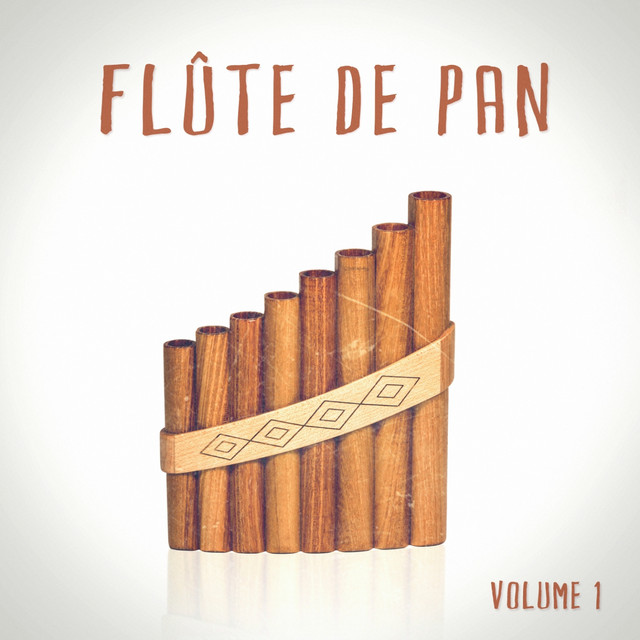
Romanian folk is the traditional music of Romania’s rural heart, a living mosaic drawn from dozens of regional voices. It travels from the plains of Oltenia and Muntenia to the hills of Transylvania, Maramureș, Moldova, and Dobrogea, each area adding its own color to the repertoire. The sound ranges from intimate, mournful laments to jubilant dances, and it lives in both vocal and instrumental traditions. Core forms include the doina, a soulful, often improvised lament; ballads and love songs; and festive dances such as the hora and sârba. Instrumentally, you’ll hear violin as the backbone, along with pan flutes (nai), the cobza (a Latin-influenced lute), accordions, and the occasional cimbalom or drum. The social fabric of Romanian folk is inseparable from the dances, weddings, harvest rites, and village gatherings that have preserved these tunes for centuries.
The genre as a distinct cultural beacon took shape over a long arc. It is centuries old in rural life, where music circulated through generations by voice and memory. In the 19th and 20th centuries, ethnographers and composers began to document and adapt folk material, helping to standardize and present it to larger audiences. Classical composers such as George Enescu wove folk elements into orchestral works, while rural lăutari—professional Roma musicians—carried the tradition forward with virtuosic improvisation and a repertoire that mixed local idioms with bordering Balkan and Gypsy influences. The postwar era saw a revival dynamic in which folklore was practiced, celebrated, and broadcast, and in the late 20th century an international interest grew, turning Romanian folk into a beacon of “world music.” The 1990s and beyond brought a new wave of ensembles and soloists who both preserve the old material and push it into contemporary soundscapes.
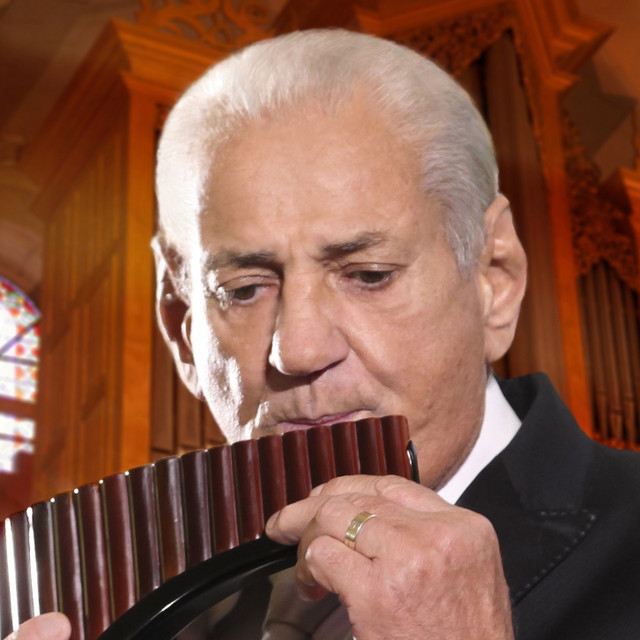
Among the ambassadors of Romanian folk, several names stand out for bringing the genre beyond national borders. Maria Tănase remains a symbol of Romanian vocal folklore, whose recordings and performances helped popularize the repertoire across Europe. Gheorghe Zamfir popularized the Romanian nai (pan flute) to a global audience, his lyrical timbre becoming almost a universal sign of Balkan folk-inflected music. Tudor Gheorghe has carried folk storytelling into modern stages, blending tradition with contemporary sensibilities. Grigore Leșe, a noted interpreter of Transylvanian and Maramureș song, preserves regional modes with a keen sense of ritual and ceremony. On the instrumental side, Taraf de Haïdouks and Fanfare Ciocărlia—two internationally touring ensembles—brought village sound to concert halls and festival circuits around the world, highlighting the virtuosic improvisation of lăutari and the communal energy of Romanian folk brass traditions.
Today, Romanian folk remains especially strong in Romania and Moldova, where regional styles are still taught in villages and celebrated in festivals. It has also found loyal audiences among diaspora communities in Western Europe and North America, and in world-music circles that prize its emotional depth, modal color, and danceable vitality. For music enthusiasts, Romanian folk offers a bridge between memory and invention: a centuries-old art form that thrives in the hands of modern players and continues to travel, adapt, and endure.
The genre as a distinct cultural beacon took shape over a long arc. It is centuries old in rural life, where music circulated through generations by voice and memory. In the 19th and 20th centuries, ethnographers and composers began to document and adapt folk material, helping to standardize and present it to larger audiences. Classical composers such as George Enescu wove folk elements into orchestral works, while rural lăutari—professional Roma musicians—carried the tradition forward with virtuosic improvisation and a repertoire that mixed local idioms with bordering Balkan and Gypsy influences. The postwar era saw a revival dynamic in which folklore was practiced, celebrated, and broadcast, and in the late 20th century an international interest grew, turning Romanian folk into a beacon of “world music.” The 1990s and beyond brought a new wave of ensembles and soloists who both preserve the old material and push it into contemporary soundscapes.
Among the ambassadors of Romanian folk, several names stand out for bringing the genre beyond national borders. Maria Tănase remains a symbol of Romanian vocal folklore, whose recordings and performances helped popularize the repertoire across Europe. Gheorghe Zamfir popularized the Romanian nai (pan flute) to a global audience, his lyrical timbre becoming almost a universal sign of Balkan folk-inflected music. Tudor Gheorghe has carried folk storytelling into modern stages, blending tradition with contemporary sensibilities. Grigore Leșe, a noted interpreter of Transylvanian and Maramureș song, preserves regional modes with a keen sense of ritual and ceremony. On the instrumental side, Taraf de Haïdouks and Fanfare Ciocărlia—two internationally touring ensembles—brought village sound to concert halls and festival circuits around the world, highlighting the virtuosic improvisation of lăutari and the communal energy of Romanian folk brass traditions.
Today, Romanian folk remains especially strong in Romania and Moldova, where regional styles are still taught in villages and celebrated in festivals. It has also found loyal audiences among diaspora communities in Western Europe and North America, and in world-music circles that prize its emotional depth, modal color, and danceable vitality. For music enthusiasts, Romanian folk offers a bridge between memory and invention: a centuries-old art form that thrives in the hands of modern players and continues to travel, adapt, and endure.