Genre
romantico
Top Romantico Artists
Showing 25 of 49 artists










About Romantico
Romantico, or música romántica, is a flexible thread within Latin popular music that centers on love, longing, and emotional immediacy. It blends elements from bolero, classic ballad, and contemporary Latin pop to create songs whose vocal delivery and melodic contour aim for intimacy and immediacy. The genre is less about a fixed tempo or rigid ensemble and more about a mood: velvet textures, heartfelt lyrics, and performances that invite the listener to dream, reminisce, or ache with a lover.
Origins and evolution
The roots of Romantico lie in the bolero, a lyrical, sentimental song form that began in Cuba in the late 19th to early 20th century and spread through the Caribbean and the Spanish-speaking world. Bolero’s hallmark is a slow to mid-tempo groove paired with direct, often poetic lyrics about love and heartbreak. By the mid-20th century, bolero had become the cornerstone of romantic song in Mexico, Spain, and across Latin America. Mexico, in particular, cultivated a golden era of romantic song in the 1940s–1960s, with composers such as Consuelo Velázquez (Besame Mucho, 1940) and Agustín Lara (Solamente una vez) providing timeless standards that would travel far beyond national borders. The genre’s voice was broadened by the smooth harmonies of Los Panchos, a trio whose lush, intimate style helped legitimize romantic balladry on international stages.
Ambassadors and key figures
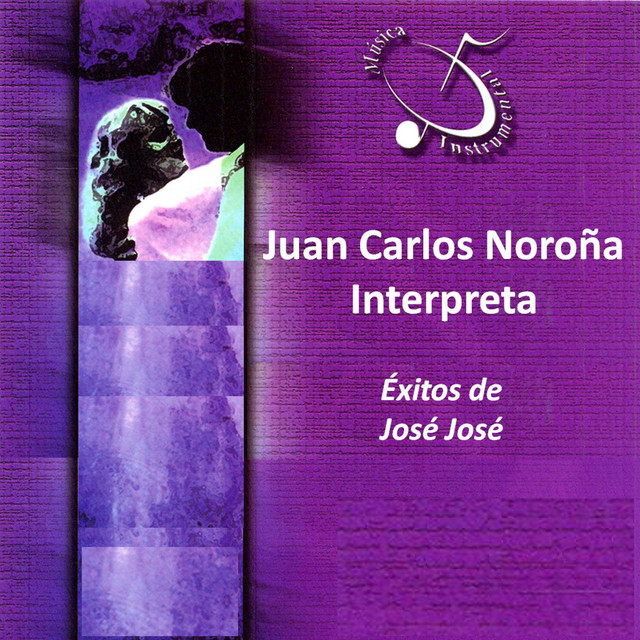
Romantico’s ambassadors span composers, singers, and interpreters who have kept the repertoire alive while also pushing it forward. Armando Manzanero stands out as one of the era’s most prolific romantics, writing hundreds of songs that became gospel for lovers around the world. José José, known as El Príncipe de la Canción, brought a dramatic, vocal precision to the form that many fans associate with peak Romantico sensibility. In the 1990s and beyond, Luis Miguel’s “Romance” (1991) became a watershed moment, reviving classic boleros with lush, modern arrangements and opening the door for a new generation of listeners to explore the repertoire. Contemporary interpreters from Spain and Latin America—figures like Alejandro Sanz and others who fuse sentiment with contemporary pop balladry—have kept Romantico’s spirit alive in new contexts, ensuring its persistence in both traditional and modern forms.
Geography and popularity
Romantico remains strongest in Mexico, which historically has been its heartbeat, but its appeal is widespread across the Spanish-speaking world. Spain, Colombia, Argentina, Venezuela, Chile, Peru, and the wider Caribbean all embrace romantic ballads, as do large Latin American communities in the United States and other diaspora hubs. The genre’s international reach has often been propelled by artists who bridge eras—reinterpreting old boleros for new audiences or weaving romantic storytelling into contemporary pop and Latin rock—while keeping the central preoccupation intact: music that speaks directly to the heart.
For enthusiasts, Romantico offers a carefully curated universe of lyricism, melodic craft, and vocal expressiveness. It’s a genre that invites slow listening, intimate playlists, and a shared sense of longing that transcends borders.
Origins and evolution
The roots of Romantico lie in the bolero, a lyrical, sentimental song form that began in Cuba in the late 19th to early 20th century and spread through the Caribbean and the Spanish-speaking world. Bolero’s hallmark is a slow to mid-tempo groove paired with direct, often poetic lyrics about love and heartbreak. By the mid-20th century, bolero had become the cornerstone of romantic song in Mexico, Spain, and across Latin America. Mexico, in particular, cultivated a golden era of romantic song in the 1940s–1960s, with composers such as Consuelo Velázquez (Besame Mucho, 1940) and Agustín Lara (Solamente una vez) providing timeless standards that would travel far beyond national borders. The genre’s voice was broadened by the smooth harmonies of Los Panchos, a trio whose lush, intimate style helped legitimize romantic balladry on international stages.
Ambassadors and key figures
Romantico’s ambassadors span composers, singers, and interpreters who have kept the repertoire alive while also pushing it forward. Armando Manzanero stands out as one of the era’s most prolific romantics, writing hundreds of songs that became gospel for lovers around the world. José José, known as El Príncipe de la Canción, brought a dramatic, vocal precision to the form that many fans associate with peak Romantico sensibility. In the 1990s and beyond, Luis Miguel’s “Romance” (1991) became a watershed moment, reviving classic boleros with lush, modern arrangements and opening the door for a new generation of listeners to explore the repertoire. Contemporary interpreters from Spain and Latin America—figures like Alejandro Sanz and others who fuse sentiment with contemporary pop balladry—have kept Romantico’s spirit alive in new contexts, ensuring its persistence in both traditional and modern forms.
Geography and popularity
Romantico remains strongest in Mexico, which historically has been its heartbeat, but its appeal is widespread across the Spanish-speaking world. Spain, Colombia, Argentina, Venezuela, Chile, Peru, and the wider Caribbean all embrace romantic ballads, as do large Latin American communities in the United States and other diaspora hubs. The genre’s international reach has often been propelled by artists who bridge eras—reinterpreting old boleros for new audiences or weaving romantic storytelling into contemporary pop and Latin rock—while keeping the central preoccupation intact: music that speaks directly to the heart.
For enthusiasts, Romantico offers a carefully curated universe of lyricism, melodic craft, and vocal expressiveness. It’s a genre that invites slow listening, intimate playlists, and a shared sense of longing that transcends borders.