Genre
rune folk
Top Rune folk Artists
Showing 3 of 3 artists
About Rune folk
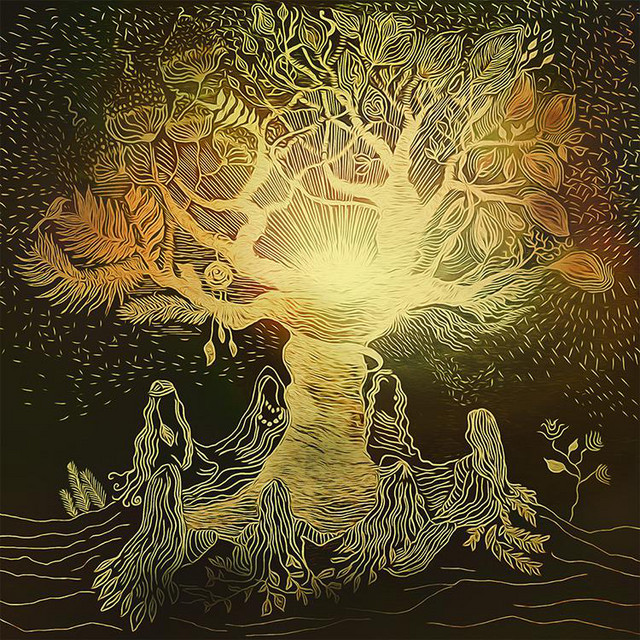
Rune folk is a music genre that braids ancient runic lore with contemporary folk and ritual ambience. It treats sound as a living rune—carved histories channeled through voice, strings, drums, and field recordings. The form crystallized in the Nordic scene in the early to mid-2010s, as interest in Norse history, sagas, and rune inscriptions intersected with a broader revival of acoustic and ceremonial music. Wardruna’s Runaljod project is widely seen as a milestone, translating runic philosophy into song through archaic instruments and chant-like singing. Since then the movement has grown into a diffuse, recognizable ecosystem drawn from heritage, craft, and experiment.
Sonic vocabulary blends traditional instruments—hardanger fiddle, nyckelharpa, hurdy-gurdy, wooden flutes—with modern textures: slow drones, low synths, and field recordings from forests, shores, and ruins. Vocals shift from whispered chant to resonant, syllabic singing, often layered into polyphonic textures that feel ceremonial. Percussion is restrained but insistent, using frame drums and natural-tuned skins to create momentum without conventional rock dynamics. The result is spacious, earthy, and tactile, with reverberation and space as active participants in the music.
Lyrically and iconographically, rune folk leans on runic symbolism, Norse myth, and nature-based spirituality. Themes include fate and wyrd, the cycles of the seasons, ancestors, and the language of stones and trees. Some artists sculpt rune-inspired motifs and translate the runic alphabet into musical ideas, while others focus on ritual storytelling that unfolds like a meditation. The approach prizes mood and ritual arc over standard verse, inviting listeners into immersive listening experiences that resemble nocturnal ceremonies.
Ambassadors include Wardruna, whose Runaljod cycles (Runaljod – Aar, Runaljod – Yggdrasil, Runaljod – Ragnarök) codified the aesthetic for many listeners. Danheim blends Viking-era imagery with emphatic percussion and chant, broadening the audience for rune-centric music. Heilung pushes the ritual dimension with sprawling soundscapes that merge chant, bone instruments, and immersive stage presence. Taken together, these artists outline a spectrum from intimate studio pieces to live ritual performances, and they have inspired a wave of newer acts across Scandinavia, northern Europe, and beyond.
Geographically, rune folk remains strongest in Scandinavia—Norway, Sweden, Denmark, Iceland—but has found receptive audiences in Germany, the UK, and North America through festivals, streaming, and cross-genre collaborations with neofolk and ambient scenes. In gaming, film, and contemporary art, its mood of mythic quiet and wintery hush has resonated with audiences seeking myth and memory in a modern, analog sound. For many enthusiasts, rune folk offers a bridge between ancient language and modern listening: a patient, ceremonial music that invites stillness, attentive listening, and a sense of place.
Sonic vocabulary blends traditional instruments—hardanger fiddle, nyckelharpa, hurdy-gurdy, wooden flutes—with modern textures: slow drones, low synths, and field recordings from forests, shores, and ruins. Vocals shift from whispered chant to resonant, syllabic singing, often layered into polyphonic textures that feel ceremonial. Percussion is restrained but insistent, using frame drums and natural-tuned skins to create momentum without conventional rock dynamics. The result is spacious, earthy, and tactile, with reverberation and space as active participants in the music.
Lyrically and iconographically, rune folk leans on runic symbolism, Norse myth, and nature-based spirituality. Themes include fate and wyrd, the cycles of the seasons, ancestors, and the language of stones and trees. Some artists sculpt rune-inspired motifs and translate the runic alphabet into musical ideas, while others focus on ritual storytelling that unfolds like a meditation. The approach prizes mood and ritual arc over standard verse, inviting listeners into immersive listening experiences that resemble nocturnal ceremonies.
Ambassadors include Wardruna, whose Runaljod cycles (Runaljod – Aar, Runaljod – Yggdrasil, Runaljod – Ragnarök) codified the aesthetic for many listeners. Danheim blends Viking-era imagery with emphatic percussion and chant, broadening the audience for rune-centric music. Heilung pushes the ritual dimension with sprawling soundscapes that merge chant, bone instruments, and immersive stage presence. Taken together, these artists outline a spectrum from intimate studio pieces to live ritual performances, and they have inspired a wave of newer acts across Scandinavia, northern Europe, and beyond.
Geographically, rune folk remains strongest in Scandinavia—Norway, Sweden, Denmark, Iceland—but has found receptive audiences in Germany, the UK, and North America through festivals, streaming, and cross-genre collaborations with neofolk and ambient scenes. In gaming, film, and contemporary art, its mood of mythic quiet and wintery hush has resonated with audiences seeking myth and memory in a modern, analog sound. For many enthusiasts, rune folk offers a bridge between ancient language and modern listening: a patient, ceremonial music that invites stillness, attentive listening, and a sense of place.