Genre
russian electronic
Top Russian electronic Artists
Showing 25 of 48 artists

















About Russian electronic
Russian electronic is less a single sound than a scene—an umbrella term for the diverse electronic music produced in Russia and by Russian artists who fuse techno, house, ambient, and experimental textures. It emerged from a long lineage of Soviet-era electronic experimentation and grew into a recognizable, globally connected sound in the 2000s and 2010s. Today, it spans hypnotic techno, deep house, bass-forward hybrids, and austere, exploratory textures, all filtered through a distinctly Russian sensibility: a love of precision, mood, and invitation to immersive listening.
Historically, Russia’s contribution to electronic music runs deep. In the 1960s and 70s, pioneering composers such as Eduard Artemyev explored electronic soundscapes for film and art, laying groundwork for synth-based textures that would echo through decades. The post-Soviet 1990s nightclub wave—Moscow’s and St. Petersburg’s growing club culture, pirate radio, and open-door raves—created the social infrastructure for electronic music to flourish. By the 2000s, a new generation of producers and DJs began cultivating clubs, labels, and residencies that could sustain a more serious, internationally engaged scene. The real global breakthrough for many Russian electronic artists came in the 2010s with the emergence of homegrown labels, international festival appearances, and a new generation of producers who could straddle both club performance and studio experimentation.
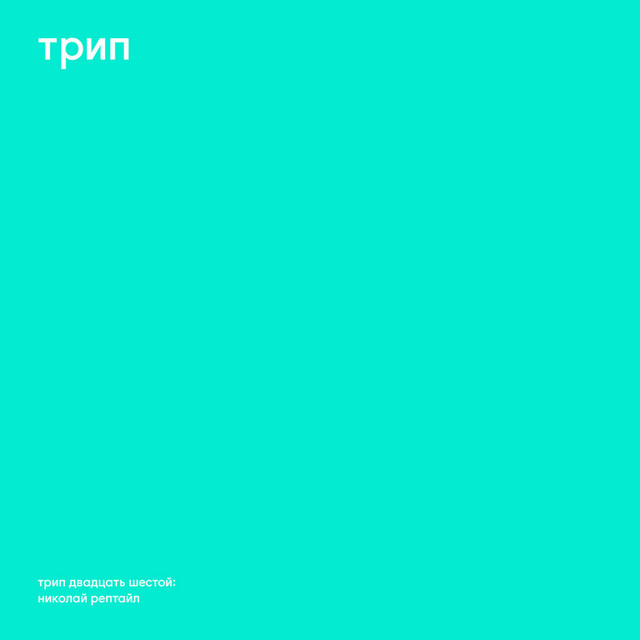
Two names are frequently cited as ambassadors of the modern Russian electronic sound. Nina Kraviz, born in Irkutsk and based in Moscow, became one of the most recognizable figures on the global techno map. Her hypnotic, warm, and intensely rhythmic approach—often anchored by long, trancey sets—helped place Moscow’s scene on the international radar. She also runs the Trip label, a platform that has released work by Russian peers and international collaborators alike, helping to propagate a distinctly Russian perspective within the broader techno ecosystem. Another important figure is Dasha Rush, known for dark, tactile, and experimental techno. Her work, both in the studio and on stage, pushes the boundaries between industrial textures and melodic restraint, illustrating the more avant-garde edge of Russian electronic.
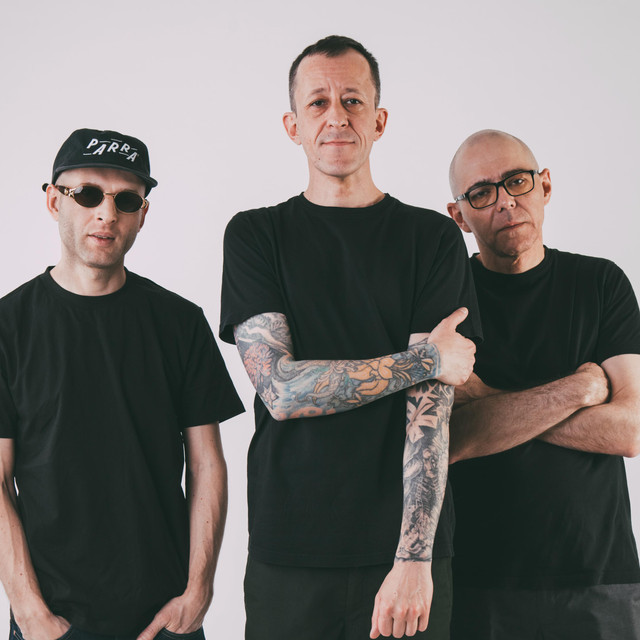
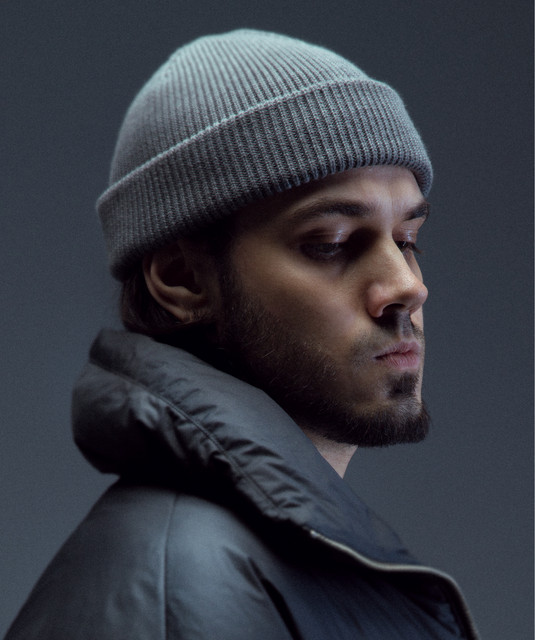
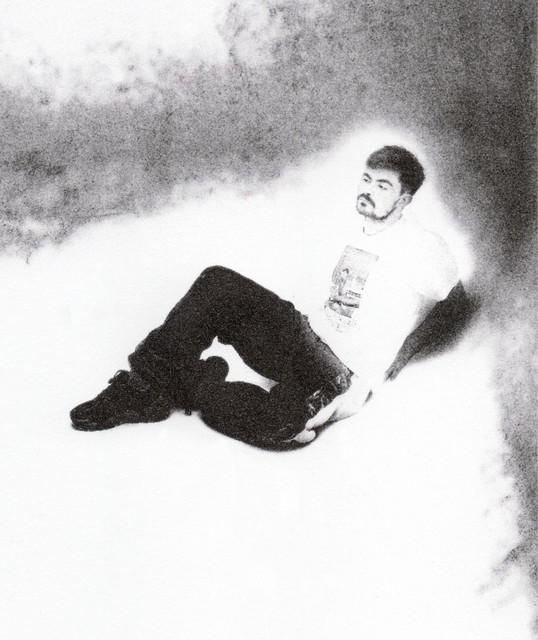
Beyond these names, the scene includes a robust cadre of producers and collectives from Moscow, St. Petersburg, and other cities who navigate techno, deep house, IDM, and ambient. Labels such as Trip and various independent imprints have become conduits for a global audience to discover a sound that can feel both austere and sensuous, sometimes intimate and sometimes club-pounding. Russian electronic today is also defined by its live-sets, resonant basslines, crisp percussive programming, and an affinity for mood-driven, cinematic atmospheres.
Where is it popular? Russia remains the core market, with strong scenes in other post-Soviet states. In Europe and North America, the genre is embraced by techno and underground audiences who prize its disciplined aesthetics and emotional depth. For enthusiasts, exploring Russian electronic means following the threads through Nina Kraviz’s mixes and Trip catalog, delving into Dasha Rush’s experimental peaks, and discovering rising talents from Moscow and beyond, all while listening for the patience, restraint, and hypnotic drive that define this unique electronic voice.
Historically, Russia’s contribution to electronic music runs deep. In the 1960s and 70s, pioneering composers such as Eduard Artemyev explored electronic soundscapes for film and art, laying groundwork for synth-based textures that would echo through decades. The post-Soviet 1990s nightclub wave—Moscow’s and St. Petersburg’s growing club culture, pirate radio, and open-door raves—created the social infrastructure for electronic music to flourish. By the 2000s, a new generation of producers and DJs began cultivating clubs, labels, and residencies that could sustain a more serious, internationally engaged scene. The real global breakthrough for many Russian electronic artists came in the 2010s with the emergence of homegrown labels, international festival appearances, and a new generation of producers who could straddle both club performance and studio experimentation.
Two names are frequently cited as ambassadors of the modern Russian electronic sound. Nina Kraviz, born in Irkutsk and based in Moscow, became one of the most recognizable figures on the global techno map. Her hypnotic, warm, and intensely rhythmic approach—often anchored by long, trancey sets—helped place Moscow’s scene on the international radar. She also runs the Trip label, a platform that has released work by Russian peers and international collaborators alike, helping to propagate a distinctly Russian perspective within the broader techno ecosystem. Another important figure is Dasha Rush, known for dark, tactile, and experimental techno. Her work, both in the studio and on stage, pushes the boundaries between industrial textures and melodic restraint, illustrating the more avant-garde edge of Russian electronic.
Beyond these names, the scene includes a robust cadre of producers and collectives from Moscow, St. Petersburg, and other cities who navigate techno, deep house, IDM, and ambient. Labels such as Trip and various independent imprints have become conduits for a global audience to discover a sound that can feel both austere and sensuous, sometimes intimate and sometimes club-pounding. Russian electronic today is also defined by its live-sets, resonant basslines, crisp percussive programming, and an affinity for mood-driven, cinematic atmospheres.
Where is it popular? Russia remains the core market, with strong scenes in other post-Soviet states. In Europe and North America, the genre is embraced by techno and underground audiences who prize its disciplined aesthetics and emotional depth. For enthusiasts, exploring Russian electronic means following the threads through Nina Kraviz’s mixes and Trip catalog, delving into Dasha Rush’s experimental peaks, and discovering rising talents from Moscow and beyond, all while listening for the patience, restraint, and hypnotic drive that define this unique electronic voice.