Genre
russian folk
Top Russian folk Artists
Showing 25 of 33 artists





About Russian folk
Russian folk is the living, breathing sound universe of Russia’s traditional song, from the cradle of rural communities to modern concert halls. It encompasses lullabies and work songs, wedding ballads, epic sung tales called byliny, and ritual chants linked to rites of passage and seasonal calendars. Its melodies are carried by voices in tight, often multipart harmonies and by a small arsenal of home-made instruments. Performances emphasize storytelling, with voices moving through microtonal inflections and dramatic dynamic shifts that reward patient listening.
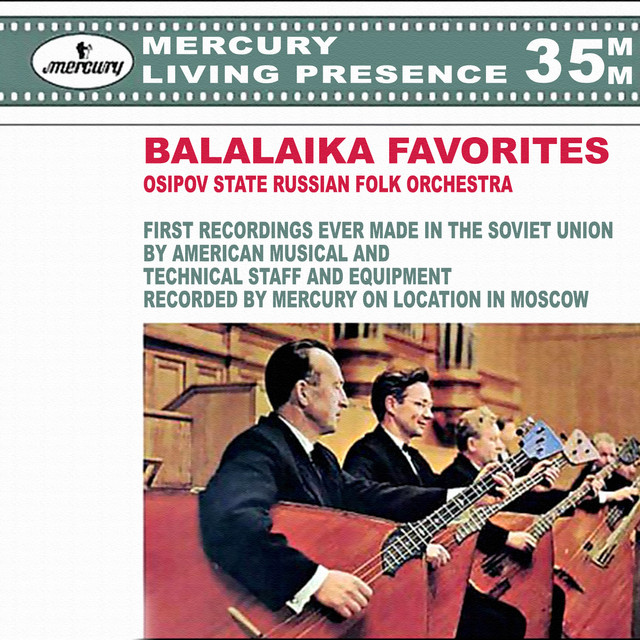
Origins run deep: long before cities, people sang to mark harvests, recount deeds, and invoke protection for kin. The gusli, later the balalaika and domra, gave color to polyphonic singing as performances moved from village squares to churches and courts. Over centuries, regional timbres—from the Volga to the Kuban—produced a richly variegated national sound. Voices often weave in call-and-response and drone textures, with men and women sharing leads in shifts of timbre.
The modern concept emerged in the 19th century with Russian nationalism in music. Composers sought a people’s voice within art music, threading traditional melodies into orchestral and choral works. Figures such as Glinka, Mussorgsky, Rimsky-Korsakov, and Borodin fused folk idioms with Romantic expressivity while ethnographers collected regional songs. This revival anchored a lasting identity in concert music and popular culture.
In the 20th century, folk music remained tied to national identity, absorbing modern influences. State ensembles preserved and reimagined songs for radio, cinema, and touring stages. The Soviet era sponsored folk artistry as cultural continuity, while independent artists carried the flame into post-Soviet years, widening its appeal beyond Russia’s borders. In Russia, it sits alongside church chant, regional song schools, and urban folk acts; abroad, listeners encounter it as world music and ethnographic study.
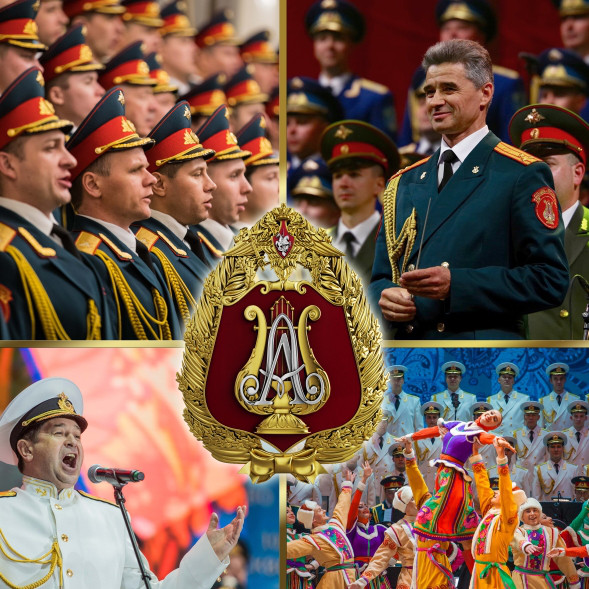
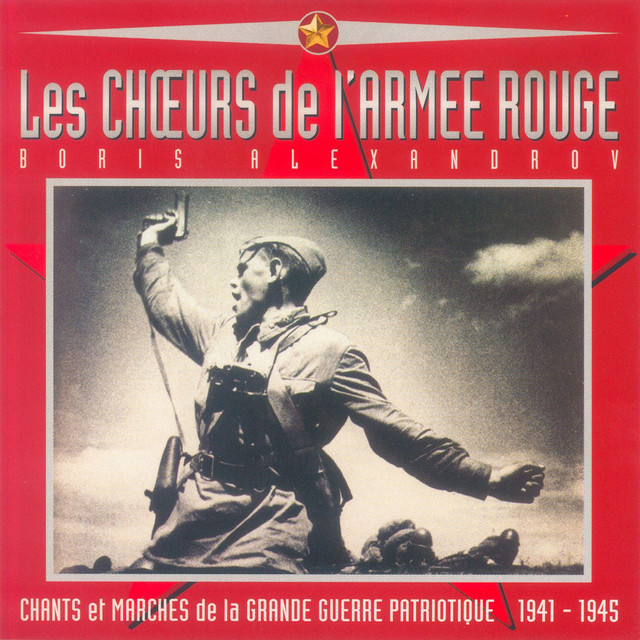
Key artists and ambassadors of Russian folk today include the Dmitri Pokrovsky Ensemble, known for vibrant, scholarly arrangements that breathe new life into ancient tunes while respecting their roots; Lyudmila Zykina, one of the USSR’s most beloved folk vocalists whose powerful, direct singing became a touchstone of national heritage; and the Red Army Choir (Alexandrov Ensemble), whose patriotic and folk-inflected repertoire helped launch Russian folk to audiences worldwide. Contemporary performers such as Pelageya have brought village-rooted songs to younger listeners with a modern sensibility, and instrumental virtuosos like Alexey Arkhipovsky keep the balalaika at the forefront of a living tradition that blends tradition with fearless experimentation. Their repertoire shows a scholarly yet accessible approach: preserving core tunes while inviting audience participation and cross-cultural collaborations.
Geographically, Russian folk is most robust in Russia and the neighboring states of Belarus and Ukraine, where the roots run deepest and multiple ensembles keep the traditions alive. It is also prominent in the diaspora—particularly in the United States, Germany, Israel—and at world-music festivals around Europe and beyond, where traditional timbres meet cross-cultural collaborations. In Russia, it sits alongside church chant, regional song schools, and urban folk acts; abroad, listeners encounter it as world music and ethnographic study. For enthusiasts, it’s a doorway into how memory becomes music across generations. The genre remains a living, evolving dialogue between tradition and experimentation.
Origins run deep: long before cities, people sang to mark harvests, recount deeds, and invoke protection for kin. The gusli, later the balalaika and domra, gave color to polyphonic singing as performances moved from village squares to churches and courts. Over centuries, regional timbres—from the Volga to the Kuban—produced a richly variegated national sound. Voices often weave in call-and-response and drone textures, with men and women sharing leads in shifts of timbre.
The modern concept emerged in the 19th century with Russian nationalism in music. Composers sought a people’s voice within art music, threading traditional melodies into orchestral and choral works. Figures such as Glinka, Mussorgsky, Rimsky-Korsakov, and Borodin fused folk idioms with Romantic expressivity while ethnographers collected regional songs. This revival anchored a lasting identity in concert music and popular culture.
In the 20th century, folk music remained tied to national identity, absorbing modern influences. State ensembles preserved and reimagined songs for radio, cinema, and touring stages. The Soviet era sponsored folk artistry as cultural continuity, while independent artists carried the flame into post-Soviet years, widening its appeal beyond Russia’s borders. In Russia, it sits alongside church chant, regional song schools, and urban folk acts; abroad, listeners encounter it as world music and ethnographic study.
Key artists and ambassadors of Russian folk today include the Dmitri Pokrovsky Ensemble, known for vibrant, scholarly arrangements that breathe new life into ancient tunes while respecting their roots; Lyudmila Zykina, one of the USSR’s most beloved folk vocalists whose powerful, direct singing became a touchstone of national heritage; and the Red Army Choir (Alexandrov Ensemble), whose patriotic and folk-inflected repertoire helped launch Russian folk to audiences worldwide. Contemporary performers such as Pelageya have brought village-rooted songs to younger listeners with a modern sensibility, and instrumental virtuosos like Alexey Arkhipovsky keep the balalaika at the forefront of a living tradition that blends tradition with fearless experimentation. Their repertoire shows a scholarly yet accessible approach: preserving core tunes while inviting audience participation and cross-cultural collaborations.
Geographically, Russian folk is most robust in Russia and the neighboring states of Belarus and Ukraine, where the roots run deepest and multiple ensembles keep the traditions alive. It is also prominent in the diaspora—particularly in the United States, Germany, Israel—and at world-music festivals around Europe and beyond, where traditional timbres meet cross-cultural collaborations. In Russia, it sits alongside church chant, regional song schools, and urban folk acts; abroad, listeners encounter it as world music and ethnographic study. For enthusiasts, it’s a doorway into how memory becomes music across generations. The genre remains a living, evolving dialogue between tradition and experimentation.