Genre
russian indie
Top Russian indie Artists
Showing 24 of 24 artists









About Russian indie
Russian indie is a broad umbrella for a generation of independent-minded bands and artists in Russia that blends indie rock, indie pop, electronic textures, and experimental approaches. It is not a single, neatly labeled movement but a loose ecosystem built around DIY ethics, small labels, underground venues, and a preference for non-mainstream sounds. Songs are often sung in Russian, though some acts mix languages or flirt with English, reflecting a global sensibility while staying rooted in local experiences.
The scene began taking shape in the late 1990s and became more visible in the 2000s as clubs and small labels in Moscow and St. Petersburg fostered a culture of experimentation beyond what the mainstream Russian pop industry offered. The internet and online platforms accelerated its growth, allowing bands to distribute music independently and reach audiences far beyond their home cities. This era gave rise to a crucible where post-punk, new wave, shoegaze, dream pop, and electronic influences could collide with distinctly Russian lyrical themes—urban alienation, romance, memory, and social observation.
Aesthetically, Russian indie tends toward moody, intimate atmospheres, often built on spare guitar-work, hypnotic basslines, and shimmering or gritty synth textures. Production can be deliberately lo-fi to emphasize emotion and atmosphere, or surprisingly polished to highlight melodic hooks. Lyrically, the approach ranges from openly personal to reflectively political, frequently offering a quiet counterpoint to more glossy mainstream pop. The genre rewards a sense of mood and nuance—detail in a lyric, a subtle shift in a guitar tone, a spectral chorus that lingers after the song ends.
Geographically, the scene centers in Moscow and St. Petersburg, which act as the main hubs for releases, gigs, and cross-genre collaborations. Over the years, smaller cities across Russia and neighboring post-Soviet states have nurtured their own micro-scenes, feeding a diverse roster of acts that tour regionally and occasionally gain international attention through festivals and online exposure. The genre’s international footprint has grown as artists travel to Europe and North America for tours, collaborations, and festival appearances, and as Bandcamp, SoundCloud, VK (a major Russian social and music platform), and streaming services enable discovery by curious listeners abroad. This has helped Russian indie cultivate a presence in indie circles worldwide, even as it remains most deeply resonant in Russia and nearby countries.
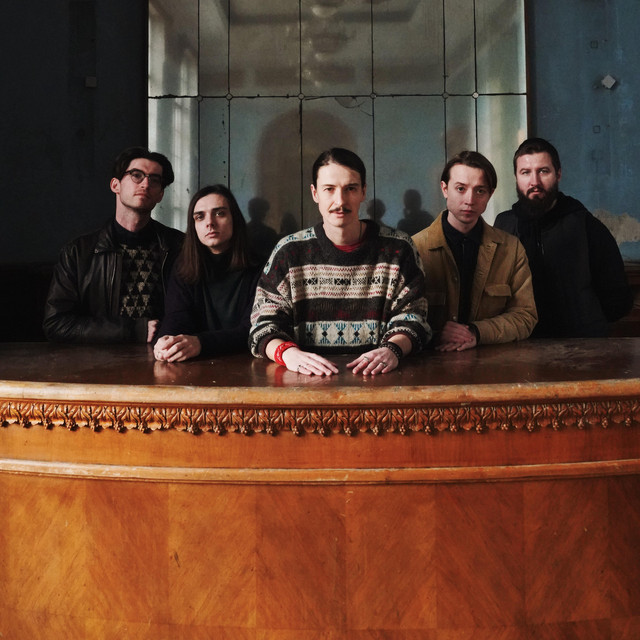
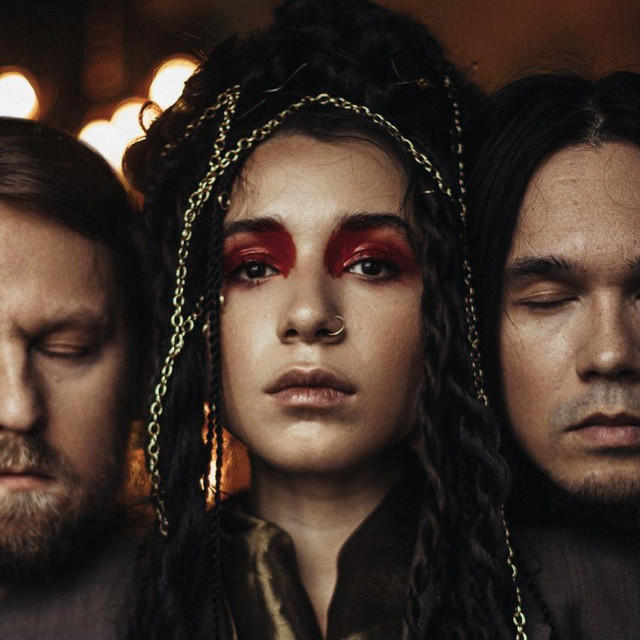
Two widely acknowledged ambassadors of the Russian indie sound are Motorama and Shortparis. Motorama is known for a spare, synth-driven post-punk aesthetic and evocative, often austere grooves that invite introspection. Shortparis stands out for theatrical performances and genre-blurring experiments that fuse post-punk, art rock, and folk influences into a confrontational, unforgettable live experience. Together, they illustrate the spectrum within Russian indie—from distilled, hypnotic minimalism to dramatic, boundary-pushing experiments.
For enthusiasts looking to dive in, start with the mood and moodiness: explore bands that prioritize atmosphere and lyric intimacy, then expand to acts that push the edges of form. Russian indie is less a single sound than a cultivated taste for sincerity, experimentation, and the courage to publish music outside the polished mainstream.
The scene began taking shape in the late 1990s and became more visible in the 2000s as clubs and small labels in Moscow and St. Petersburg fostered a culture of experimentation beyond what the mainstream Russian pop industry offered. The internet and online platforms accelerated its growth, allowing bands to distribute music independently and reach audiences far beyond their home cities. This era gave rise to a crucible where post-punk, new wave, shoegaze, dream pop, and electronic influences could collide with distinctly Russian lyrical themes—urban alienation, romance, memory, and social observation.
Aesthetically, Russian indie tends toward moody, intimate atmospheres, often built on spare guitar-work, hypnotic basslines, and shimmering or gritty synth textures. Production can be deliberately lo-fi to emphasize emotion and atmosphere, or surprisingly polished to highlight melodic hooks. Lyrically, the approach ranges from openly personal to reflectively political, frequently offering a quiet counterpoint to more glossy mainstream pop. The genre rewards a sense of mood and nuance—detail in a lyric, a subtle shift in a guitar tone, a spectral chorus that lingers after the song ends.
Geographically, the scene centers in Moscow and St. Petersburg, which act as the main hubs for releases, gigs, and cross-genre collaborations. Over the years, smaller cities across Russia and neighboring post-Soviet states have nurtured their own micro-scenes, feeding a diverse roster of acts that tour regionally and occasionally gain international attention through festivals and online exposure. The genre’s international footprint has grown as artists travel to Europe and North America for tours, collaborations, and festival appearances, and as Bandcamp, SoundCloud, VK (a major Russian social and music platform), and streaming services enable discovery by curious listeners abroad. This has helped Russian indie cultivate a presence in indie circles worldwide, even as it remains most deeply resonant in Russia and nearby countries.
Two widely acknowledged ambassadors of the Russian indie sound are Motorama and Shortparis. Motorama is known for a spare, synth-driven post-punk aesthetic and evocative, often austere grooves that invite introspection. Shortparis stands out for theatrical performances and genre-blurring experiments that fuse post-punk, art rock, and folk influences into a confrontational, unforgettable live experience. Together, they illustrate the spectrum within Russian indie—from distilled, hypnotic minimalism to dramatic, boundary-pushing experiments.
For enthusiasts looking to dive in, start with the mood and moodiness: explore bands that prioritize atmosphere and lyric intimacy, then expand to acts that push the edges of form. Russian indie is less a single sound than a cultivated taste for sincerity, experimentation, and the courage to publish music outside the polished mainstream.