Genre
russian rave
Top Russian rave Artists
Showing 25 of 28 artists









About Russian rave
Russian rave is a high-velocity branch of electronic dance music that thrives on relentless bass, manic energy, and a distinctly post-Soviet sense of club culture. Often described in relation to hardbass, the scene crystallized in Russia and the wider former Soviet space as the 2000s grew, evolving from early techno and house experiments into a fast, euphoric sound that could fill sweaty basements and massive arenas alike. Its roots lie in the late 1990s and early 2000s club scenes of Moscow and St. Petersburg, where producers began merging Eurodance energy with hard-edged basslines and catchy, chantable hooks. Over the next decade, Russian rave spread through neighboring countries and diasporas, gaining a recognizable identity and a devoted international following online.
Musically, Russian rave sits at the intersection of hard bass, hard trance, and rave traditions. Tracks typically sit around 145–170 BPM, featuring four-on-the-floor kicks, oversized basslines, and bright synth melodies that ride atop bouncy, tongue-in-cheek grooves. The production often leans on punchy, distorted bass to drive the rhythm, with melodic leads that twist in and out of major-minor tension to keep the energy sky-high. Vocals—often in Russian—treat the crowd to shouted refrains, call-and-response chants, or sample-based hooks that create anthemic, singalong moments. The result is music built for peak-time dance floors, festival main stages, and communal raves where the atmosphere is as much about collective breath and unity as it is about individual prowess on the dance floor.
Culturally, Russian rave is inseparable from its visual and meme culture. The hard-edged, almost cartoonish energy pairs with a gopnik-inflected aesthetic—Adidas tracksuits, brick-walled venues, and a DIY, underground ethos. This look and vibe traveled beyond clubs through online clips, memes, and streams, helping the genre to cross borders even when borders were closed. The scene’s visual language—neon-lit silhouettes, fast-cut edits, and crowd shots that feel almost like a shared ritual—made it instantly recognizable to fans worldwide.
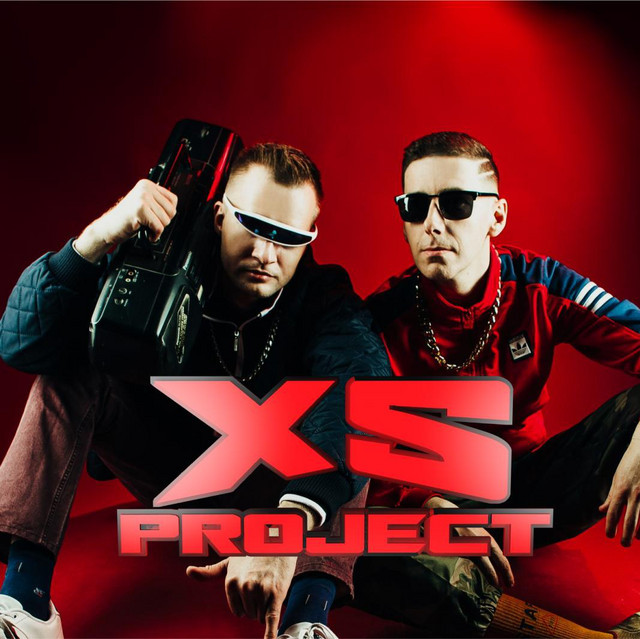
Ambassadors and influential acts in the scene typically include early and mid-2000s Russian producers who fused rave energy with hard bass atmospheres. XS Project is widely cited as a foundational act within the hardbass lineage, helping shape the aggressive, catchy aesthetic that many associate with Russian rave. DJ Smash is another name that has appeared in discussions of the scene, recognized for promoting the hardbass sound and contributing to its visibility beyond Russia’s borders. Today, a broader community of producers, DJs, and online communities—from VK and YouTube channels to streaming playlists—continues to carry the flag, remixing classic cues and pushing the genre into new territory.
Geographically, Russian rave remains strongest in Russia, Ukraine, Belarus, and other parts of the former Soviet Union, with substantial fanbases in Kazakhstan and the Baltic states. In recent years, it has also found ready listeners in Germany, the Netherlands, and parts of the United States, where festival stages, club nights, and online platforms have introduced new audiences to its kinetic energy. If you’re seeking a snapshot of late-20th- and early-21st-century Eastern European club culture, Russian rave offers a loud, unapologetic, and endlessly enthusiastic doorway into a sound that keeps insisting the party isn’t over.
Musically, Russian rave sits at the intersection of hard bass, hard trance, and rave traditions. Tracks typically sit around 145–170 BPM, featuring four-on-the-floor kicks, oversized basslines, and bright synth melodies that ride atop bouncy, tongue-in-cheek grooves. The production often leans on punchy, distorted bass to drive the rhythm, with melodic leads that twist in and out of major-minor tension to keep the energy sky-high. Vocals—often in Russian—treat the crowd to shouted refrains, call-and-response chants, or sample-based hooks that create anthemic, singalong moments. The result is music built for peak-time dance floors, festival main stages, and communal raves where the atmosphere is as much about collective breath and unity as it is about individual prowess on the dance floor.
Culturally, Russian rave is inseparable from its visual and meme culture. The hard-edged, almost cartoonish energy pairs with a gopnik-inflected aesthetic—Adidas tracksuits, brick-walled venues, and a DIY, underground ethos. This look and vibe traveled beyond clubs through online clips, memes, and streams, helping the genre to cross borders even when borders were closed. The scene’s visual language—neon-lit silhouettes, fast-cut edits, and crowd shots that feel almost like a shared ritual—made it instantly recognizable to fans worldwide.
Ambassadors and influential acts in the scene typically include early and mid-2000s Russian producers who fused rave energy with hard bass atmospheres. XS Project is widely cited as a foundational act within the hardbass lineage, helping shape the aggressive, catchy aesthetic that many associate with Russian rave. DJ Smash is another name that has appeared in discussions of the scene, recognized for promoting the hardbass sound and contributing to its visibility beyond Russia’s borders. Today, a broader community of producers, DJs, and online communities—from VK and YouTube channels to streaming playlists—continues to carry the flag, remixing classic cues and pushing the genre into new territory.
Geographically, Russian rave remains strongest in Russia, Ukraine, Belarus, and other parts of the former Soviet Union, with substantial fanbases in Kazakhstan and the Baltic states. In recent years, it has also found ready listeners in Germany, the Netherlands, and parts of the United States, where festival stages, club nights, and online platforms have introduced new audiences to its kinetic energy. If you’re seeking a snapshot of late-20th- and early-21st-century Eastern European club culture, Russian rave offers a loud, unapologetic, and endlessly enthusiastic doorway into a sound that keeps insisting the party isn’t over.