Genre
russian trap
Top Russian trap Artists
Showing 25 of 113 artists


About Russian trap
Russian trap is a distinctly Russian-flavored branch of the global trap movement. It coalesced in the mid-2010s, sprouting from the basements and home studios of Moscow and Saint Petersburg as producers and rappers began translating the Atlanta-driven 808s, heavy hi-hats, and melodic hooks into a language and mood that felt immediately local. The scene rode the double force of cheap production tools and the internet, thriving on YouTube, SoundCloud, and streaming platforms where Russian-language rap could circulate quickly without traditional gatekeepers. In short order, it developed its own aesthetic: neon-lit street poetry, swaggering bravado, and a DIY, internet-native swagger that could be both raw and polished in the same breath.
Musically, Russian trap favors punchy low end and rapid, stuttering hi-hats, but it also experiments with mood and tempo. Tracks often sit in the 120–160 BPM range, trading between hard-hitting club energy and more melodic or melancholic vignettes. You’ll hear auto-tuned melodies, slurred or sing-song raps, and moments of sung chorus that transform the street-tale into a street-poem. The production can swing from sparse, bass-forward backdrops to lush, cinematic textures that borrow from electronic, phonk, or even pop tropes. Lyrically, the genre covers a wide spectrum—from party bravado and wealth fantasies to gritty depictions of street life, ambition, and irony about fame in the age of social media. The aesthetic often embraces bold fashion, meme culture, and music videos that blend surreal humor with street realism.
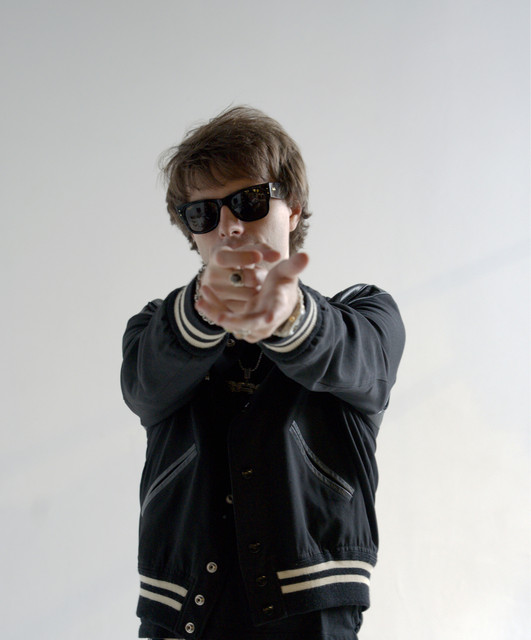
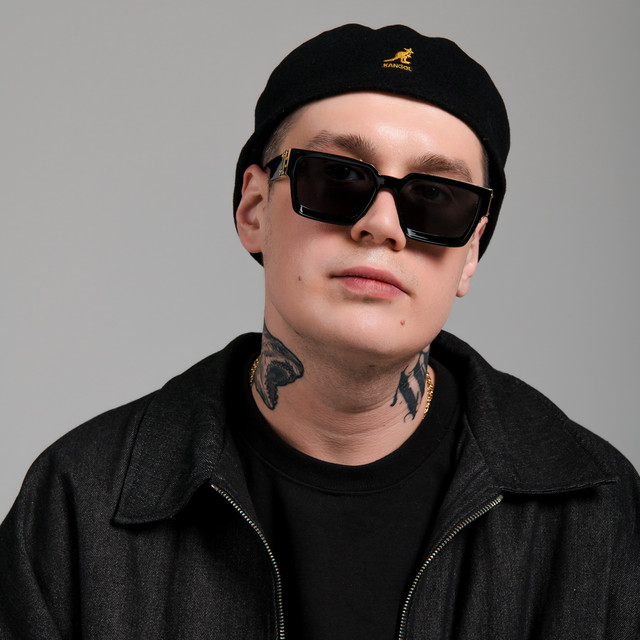
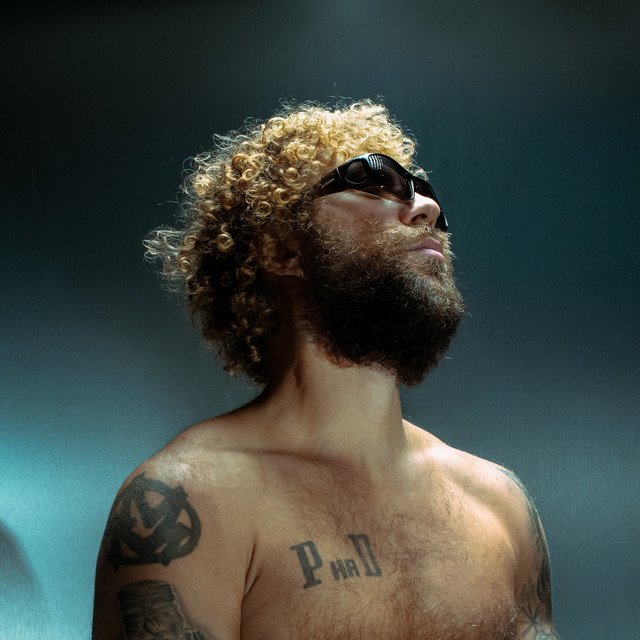
Ambassadors and touchstones help anchor the scene for new listeners. In the early and mid-2010s, Kizaru established himself as one of the genre’s recognizable voices, bringing a rough-edged flow that became a blueprint for a generation. Morgenshtern ignited a global curiosity about Russian trap with viral hits, larger-than-life persona, and a knack for cross-media appeal that pushed the sound toward mainstream pop consciousness while keeping the street grit intact. GONE.Fludd emerged as another influential figure, noted for a colorful, audacious aesthetic and a prolific output that helped widen the audience beyond Moscow’s confines. Together, these artists—alongside a myriad of producers and peers—shaped a scene known for its fast growth, viral moments, and a willingness to push boundaries.
Geographically, Russian trap is most popular in Russia and across the post-Soviet space, where Russian remains a lingua franca for a wide audience. It has a substantial following in Ukraine, Belarus, and Kazakhstan, and among Russian-speaking communities in Europe and the United States. The genre benefits from streaming reach that transcends borders, allowing acts to tour internationally or collaborate with non-Russian artists, which in turn expands its influence. For enthusiasts, the genre offers an ongoing dialogue between local flavor and global trap trends—an iterative, youth-driven art form that continues to redefine what “Russian” means in contemporary hip-hop.
Musically, Russian trap favors punchy low end and rapid, stuttering hi-hats, but it also experiments with mood and tempo. Tracks often sit in the 120–160 BPM range, trading between hard-hitting club energy and more melodic or melancholic vignettes. You’ll hear auto-tuned melodies, slurred or sing-song raps, and moments of sung chorus that transform the street-tale into a street-poem. The production can swing from sparse, bass-forward backdrops to lush, cinematic textures that borrow from electronic, phonk, or even pop tropes. Lyrically, the genre covers a wide spectrum—from party bravado and wealth fantasies to gritty depictions of street life, ambition, and irony about fame in the age of social media. The aesthetic often embraces bold fashion, meme culture, and music videos that blend surreal humor with street realism.
Ambassadors and touchstones help anchor the scene for new listeners. In the early and mid-2010s, Kizaru established himself as one of the genre’s recognizable voices, bringing a rough-edged flow that became a blueprint for a generation. Morgenshtern ignited a global curiosity about Russian trap with viral hits, larger-than-life persona, and a knack for cross-media appeal that pushed the sound toward mainstream pop consciousness while keeping the street grit intact. GONE.Fludd emerged as another influential figure, noted for a colorful, audacious aesthetic and a prolific output that helped widen the audience beyond Moscow’s confines. Together, these artists—alongside a myriad of producers and peers—shaped a scene known for its fast growth, viral moments, and a willingness to push boundaries.
Geographically, Russian trap is most popular in Russia and across the post-Soviet space, where Russian remains a lingua franca for a wide audience. It has a substantial following in Ukraine, Belarus, and Kazakhstan, and among Russian-speaking communities in Europe and the United States. The genre benefits from streaming reach that transcends borders, allowing acts to tour internationally or collaborate with non-Russian artists, which in turn expands its influence. For enthusiasts, the genre offers an ongoing dialogue between local flavor and global trap trends—an iterative, youth-driven art form that continues to redefine what “Russian” means in contemporary hip-hop.