Genre
rusyn folk
Top Rusyn folk Artists
Showing 10 of 10 artists


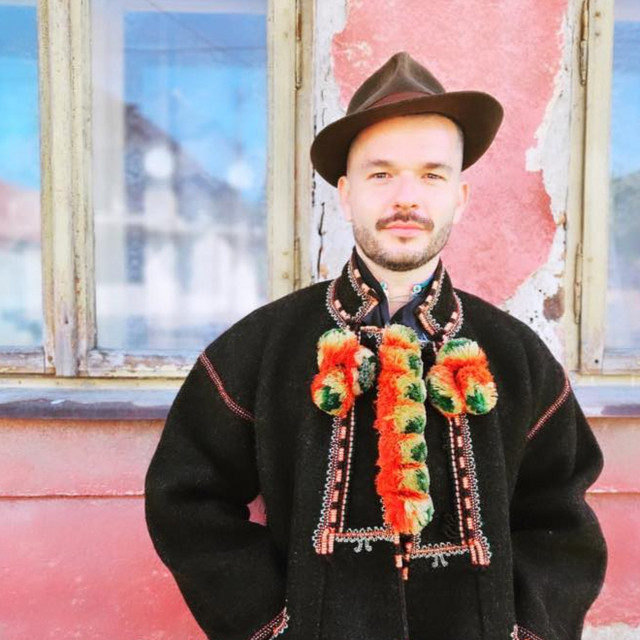


About Rusyn folk
Rusyn folk is the traditional music of the Rusyn people, a Carpathian crossroads culture whose sounds have traveled along mountainsides that span Ukraine’s Zakarpattia (Transcarpathia), Slovakia, Poland, Serbia, and into the Rusyn diaspora. It is not a single, monolithic style but a family of regional voices shaped by centuries of borderland exchange, church rites, seasonal rituals, and village life. Its roots lie in the rural memory of mountain communities, where singing, dance tunes, and instrumental music were woven into daily work, harvests, weddings, and religious observances. By the late 19th and early 20th centuries, as modern nation-states emerged, Rusyn folk began to be collected, classified, and revived as a distinct ethnic musical tongue, even as it continued to live in kitchens, barns, and church galleries.
One defining feature of Rusyn folk is its polyphonic vocal tradition, often produced by small choirs or informal village groups. In many Carpathian communities, men’s and mixed choirs sing in close, interlocking harmonies that can feel both austere and remarkably intimate. The melodies frequently inhabit modal or pentatonic scales, lending a haunting, ancient quality to laments, harvest songs, and dances. Lyrically, the repertoire ranges from ritual and liturgical pieces—intended for feasts and saints’ days—to love songs, harvest warnings, and playful courting tunes. The language spoken in the songs is Rusyn, a South Slavic–East Slavic hybrid in many communities, with local dialects and vocabulary that give each region its own tint.
Instruments are a visible thread through Rusyn folk as well. The end-blown flute called sopilka (and its regional variants) is common, providing bright, breathy lines that weave around vocal parts. Fiddles (violin) anchor many tunes, and accordions or button accordions add a robust, danceable pulse. In the mountains, you may also hear traditional wind instruments, small pipes, or even rustic percussion that keeps time for circle dances. Some villages preserve bagpipes and reed pipes, linking Rusyn music with broader Carpathian sonic ecosystems. The result is music that can feel intimate and hushed in one moment, eruptively joyful in the next.
Geographically, Rusyn folk thrives most vividly in the Zakarpattia region of Ukraine, where cross-cultural exchange with Ukrainian, Hungarian, and Romani traditions has enriched phrasing and instrumentation. In Slovakia and Poland, Rusyn-inflected ensembles keep alive the Lemko and Boyko strands—subgroups of Rusyn culture with their own speech patterns and festive repertoires. Serbia’s Vojvodina, with its Hungarian- and Balkan-adjacent communities, also preserves Rusyn songs in local community choirs. The music travels beyond borders through festivals, ethnographic recordings, and diaspora ensembles in North America and Western Europe, where immigrants and their descendants keep the language and tunes alive, sometimes in traditional attire and sometimes fused with contemporary folk or world-music elements.
Ambassadors of Rusyn folk are not a single star but a constellation of traditional village choirs, regional revival groups, and diasporic ensembles that tour, record, and teach. Scholarly collectors and ethnomusicologists have long documented these sounds, while contemporary revivalists experiment with arrangement and fusion, bringing Rusyn melodies to festival stages and new audiences. For a music enthusiast, Rusyn folk offers a tactile sense of place—how a mountain people sang to each other across rivers and ridges, carrying memory, identity, and a stubborn, communal joy.
One defining feature of Rusyn folk is its polyphonic vocal tradition, often produced by small choirs or informal village groups. In many Carpathian communities, men’s and mixed choirs sing in close, interlocking harmonies that can feel both austere and remarkably intimate. The melodies frequently inhabit modal or pentatonic scales, lending a haunting, ancient quality to laments, harvest songs, and dances. Lyrically, the repertoire ranges from ritual and liturgical pieces—intended for feasts and saints’ days—to love songs, harvest warnings, and playful courting tunes. The language spoken in the songs is Rusyn, a South Slavic–East Slavic hybrid in many communities, with local dialects and vocabulary that give each region its own tint.
Instruments are a visible thread through Rusyn folk as well. The end-blown flute called sopilka (and its regional variants) is common, providing bright, breathy lines that weave around vocal parts. Fiddles (violin) anchor many tunes, and accordions or button accordions add a robust, danceable pulse. In the mountains, you may also hear traditional wind instruments, small pipes, or even rustic percussion that keeps time for circle dances. Some villages preserve bagpipes and reed pipes, linking Rusyn music with broader Carpathian sonic ecosystems. The result is music that can feel intimate and hushed in one moment, eruptively joyful in the next.
Geographically, Rusyn folk thrives most vividly in the Zakarpattia region of Ukraine, where cross-cultural exchange with Ukrainian, Hungarian, and Romani traditions has enriched phrasing and instrumentation. In Slovakia and Poland, Rusyn-inflected ensembles keep alive the Lemko and Boyko strands—subgroups of Rusyn culture with their own speech patterns and festive repertoires. Serbia’s Vojvodina, with its Hungarian- and Balkan-adjacent communities, also preserves Rusyn songs in local community choirs. The music travels beyond borders through festivals, ethnographic recordings, and diaspora ensembles in North America and Western Europe, where immigrants and their descendants keep the language and tunes alive, sometimes in traditional attire and sometimes fused with contemporary folk or world-music elements.
Ambassadors of Rusyn folk are not a single star but a constellation of traditional village choirs, regional revival groups, and diasporic ensembles that tour, record, and teach. Scholarly collectors and ethnomusicologists have long documented these sounds, while contemporary revivalists experiment with arrangement and fusion, bringing Rusyn melodies to festival stages and new audiences. For a music enthusiast, Rusyn folk offers a tactile sense of place—how a mountain people sang to each other across rivers and ridges, carrying memory, identity, and a stubborn, communal joy.