Genre
sacred steel
Top Sacred steel Artists
Showing 25 of 26 artists
![AJ Ghent [ j-ent ]](https://i.scdn.co/image/ab6761610000e5eb8a964c0cc24d3b864413d92a)


About Sacred steel
Sacred steel is a vibrant, gospel-inflected branch of the broader sacred music family, defined by its fearless use of the electric pedal steel guitar as the lead voice. It fuses blues, funk, R&B groove, and improvisational gospel sermonising into a sound that is at once ecstatic, communicative, and deeply rooted in church ceremony. The result is music that feels like a sermon you can dance to, with long-form instrumental solos, call-and-response layers, and a sense that the spirit is guiding the player’s fingers as much as the audience’s energy guides the band.
The genre’s birth is best understood as an urban, Pentecostal phenomenon that blossomed in African American churches in the United States during the late 20th century. In places such as the House of God and other Pentecostal congregations across the South and Midwest, the electric pedal steel—an instrument most closely associated with country music—was repurposed for sacred use. Players discovered that the pedal steel’s bending, shimmering tones and expressive sustain could carry the emotional arc of a worship service: aching longing, triumphant praise, and communal uplift all in one extended performance. Over time, the instrument became the central voice of the style, giving sacred steel its unmistakable sonic identity.
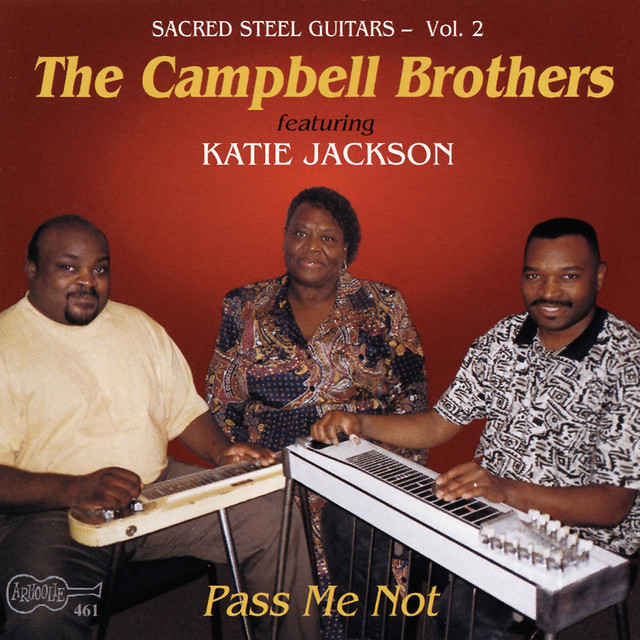
Among the early and enduring pioneers, The Campbell Brothers stand as a foundational reference point. They helped codify the approach: virtuosic steel guitar lines orbiting around gospel harmonies, with a bluesy edge and a churchly, impassioned delivery. Their work, along with the broader regional scenes that nurtured it, established sacred steel not merely as background accompaniment but as a genre of soloistic improvisation and ensemble tightness that could fill a club as surely as a pew.
In the broader listening world, one name often cited as the modern ambassador of sacred steel is Robert Randolph. With his ten-string pedal steel and a band approach that blends funk-rock energy with church-rooted fervor, Randolph popularized the sound outside traditional gospel circuits and brought it to national stages—television appearances, festivals, and mainstream rock and R&B audiences. His music demonstrates how sacred steel can function as both spiritual music and high-energy contemporary rock-soul fusion, broadening the genre’s reach without diluting its core sacred sensibility.
Geographically, sacred steel remains most strongly associated with the United States, especially in regions with rich Pentecostal and gospel traditions. Yet its appeal has traveled beyond American borders. Fans in Europe and parts of Asia and Africa have embraced the style, drawn to its propulsion, improvisatory freedom, and the palpable sense of communal worship embedded in the performances. Clubs, churches, and festival stages around the world now host sacred steel-inspired sets and collaborations, expanding the genre’s dialogue with other forms of gospel, blues, and world music.
For enthusiasts, sacred steel offers a compelling blend of spiritual intensity and instrumental mastery. It rewards close listening—where the click of a pick and the push of a pedal are as expressive as a vocal scream or brass shout—and invites new players and audiences to experience a form of gospel that channels the power of the church through the metallic, singing voice of the pedal steel.
The genre’s birth is best understood as an urban, Pentecostal phenomenon that blossomed in African American churches in the United States during the late 20th century. In places such as the House of God and other Pentecostal congregations across the South and Midwest, the electric pedal steel—an instrument most closely associated with country music—was repurposed for sacred use. Players discovered that the pedal steel’s bending, shimmering tones and expressive sustain could carry the emotional arc of a worship service: aching longing, triumphant praise, and communal uplift all in one extended performance. Over time, the instrument became the central voice of the style, giving sacred steel its unmistakable sonic identity.
Among the early and enduring pioneers, The Campbell Brothers stand as a foundational reference point. They helped codify the approach: virtuosic steel guitar lines orbiting around gospel harmonies, with a bluesy edge and a churchly, impassioned delivery. Their work, along with the broader regional scenes that nurtured it, established sacred steel not merely as background accompaniment but as a genre of soloistic improvisation and ensemble tightness that could fill a club as surely as a pew.
In the broader listening world, one name often cited as the modern ambassador of sacred steel is Robert Randolph. With his ten-string pedal steel and a band approach that blends funk-rock energy with church-rooted fervor, Randolph popularized the sound outside traditional gospel circuits and brought it to national stages—television appearances, festivals, and mainstream rock and R&B audiences. His music demonstrates how sacred steel can function as both spiritual music and high-energy contemporary rock-soul fusion, broadening the genre’s reach without diluting its core sacred sensibility.
Geographically, sacred steel remains most strongly associated with the United States, especially in regions with rich Pentecostal and gospel traditions. Yet its appeal has traveled beyond American borders. Fans in Europe and parts of Asia and Africa have embraced the style, drawn to its propulsion, improvisatory freedom, and the palpable sense of communal worship embedded in the performances. Clubs, churches, and festival stages around the world now host sacred steel-inspired sets and collaborations, expanding the genre’s dialogue with other forms of gospel, blues, and world music.
For enthusiasts, sacred steel offers a compelling blend of spiritual intensity and instrumental mastery. It rewards close listening—where the click of a pick and the push of a pedal are as expressive as a vocal scream or brass shout—and invites new players and audiences to experience a form of gospel that channels the power of the church through the metallic, singing voice of the pedal steel.