Genre
samba reggae
Top Samba reggae Artists
Showing 6 of 6 artists
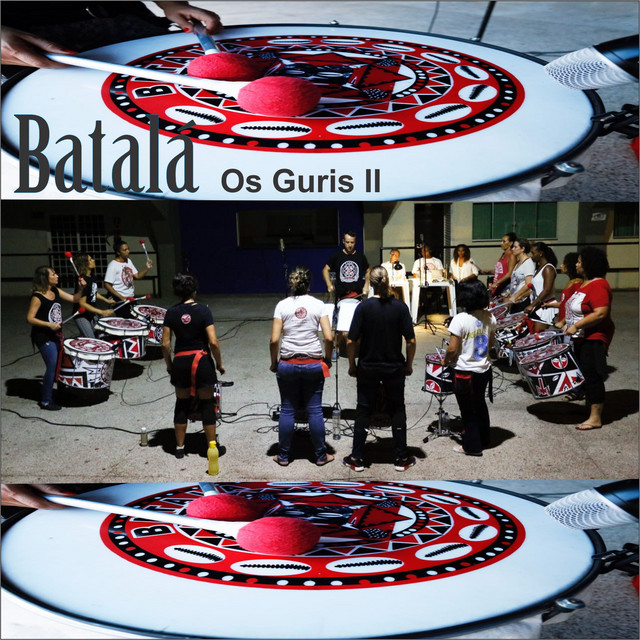


About Samba reggae
Samba reggae is a Brazilian-born fusion that sits at the crossroads of samba’s batucada energy and reggae’s laid‑back insistence. Developed in Salvador, Bahia, during the late 1970s and early 1980s, it emerged from Afro-Brazilian street culture and the city’sBloco Afro tradition, turning percussion-driven carnival into a political and musical statement. The project was to fuse the rhythmic propulsion of samba with the social consciousness and groove of reggae, creating a sound that could move feet and hearts in equal measure.
The core of samba reggae is its drum-driven heartbeat. In practice, you hear a powerful wall of percussion—surdos, caixas, repiques, timbais, tamborins, and congas—layered with offbeat guitar chords (the samba “skank”) and a bass that locks the groove between Caribbean and Brazilian sensibilities. Vocals follow a call-and-response pattern that can feel communal and ceremonial, as if a crowd is singing along with the street percussionists themselves. The tempo tends to be medium‑to‑luping, favoring the steady, danceable pulse that underpins many Bahia street-audio rituals and carnaval blocs.
Several groups became the genre’s public face and driving force. Ilê Aiyê, founded in 1974 in Salvador, was among the earliest blocos afro to push samba reggae beyond local circles, articulating Afro-Brazilian identity and social pride through music. Olodum, formed in 1979, became synonymous with the sound’s international reach: a percussion collective whose rhythmic density and political energy fed both the carnival atmosphere and broader world music stages. Timbalada, led by Carlinhos Brown and established in the early 1990s, added a festive, exuberant layer—heavy percussion combined with catchy hooks and street‑level charisma—that helped propel samba reggae further into mainstream Bahia culture and beyond. Together, these ensembles stitched a template that many others would follow, while keeping their roots in Bahia’s favelas and bloco parades.
Ambassadors of the genre didn’t only perform in Brazil. Samba reggae gained global recognition when Olodum’s musicians appeared in international media—most famously in collaborations and in Michael Jackson’s 1995 video for “They Don’t Care About Us.” Such moments introduced the groove to listeners who might never attend a Bahia carnival, while festivals across Europe, North America, and Africa began featuring samba reggae as part of world‑music and festival lineups. The sound also influenced broader Brazilian music, contributing to a wave of contemporary Bahia acts that blend traditional percussion with urban, contemporary sensibilities.
Today samba reggae remains deeply tied to Bahia’s cultural identity and its social fabric. It is popular not only in Salvador, but in other Brazilian cities embracing bloco culture and carnival spirit, and it travels through diasporic circuits that connect Afro-Brazilian communities with global audiences. For enthusiasts, the genre offers a tactile, participatory experience: a polyrhythmic workout, a carnival sermon in rhythm, and a reminder of music as a communal act of resilience and joy. If you’re curious, seek out Olodum or Timbalada recordings, live performances from Ilê Aiyê, and historical footage of Bahia’s street parades—the pulse of samba reggae is there, in the heartbeat of the drums and the voices that rise with them.
The core of samba reggae is its drum-driven heartbeat. In practice, you hear a powerful wall of percussion—surdos, caixas, repiques, timbais, tamborins, and congas—layered with offbeat guitar chords (the samba “skank”) and a bass that locks the groove between Caribbean and Brazilian sensibilities. Vocals follow a call-and-response pattern that can feel communal and ceremonial, as if a crowd is singing along with the street percussionists themselves. The tempo tends to be medium‑to‑luping, favoring the steady, danceable pulse that underpins many Bahia street-audio rituals and carnaval blocs.
Several groups became the genre’s public face and driving force. Ilê Aiyê, founded in 1974 in Salvador, was among the earliest blocos afro to push samba reggae beyond local circles, articulating Afro-Brazilian identity and social pride through music. Olodum, formed in 1979, became synonymous with the sound’s international reach: a percussion collective whose rhythmic density and political energy fed both the carnival atmosphere and broader world music stages. Timbalada, led by Carlinhos Brown and established in the early 1990s, added a festive, exuberant layer—heavy percussion combined with catchy hooks and street‑level charisma—that helped propel samba reggae further into mainstream Bahia culture and beyond. Together, these ensembles stitched a template that many others would follow, while keeping their roots in Bahia’s favelas and bloco parades.
Ambassadors of the genre didn’t only perform in Brazil. Samba reggae gained global recognition when Olodum’s musicians appeared in international media—most famously in collaborations and in Michael Jackson’s 1995 video for “They Don’t Care About Us.” Such moments introduced the groove to listeners who might never attend a Bahia carnival, while festivals across Europe, North America, and Africa began featuring samba reggae as part of world‑music and festival lineups. The sound also influenced broader Brazilian music, contributing to a wave of contemporary Bahia acts that blend traditional percussion with urban, contemporary sensibilities.
Today samba reggae remains deeply tied to Bahia’s cultural identity and its social fabric. It is popular not only in Salvador, but in other Brazilian cities embracing bloco culture and carnival spirit, and it travels through diasporic circuits that connect Afro-Brazilian communities with global audiences. For enthusiasts, the genre offers a tactile, participatory experience: a polyrhythmic workout, a carnival sermon in rhythm, and a reminder of music as a communal act of resilience and joy. If you’re curious, seek out Olodum or Timbalada recordings, live performances from Ilê Aiyê, and historical footage of Bahia’s street parades—the pulse of samba reggae is there, in the heartbeat of the drums and the voices that rise with them.